Yen Tu
Yen Tu mountain near Ha Long: the home of Truc Lam Zen, with forest paths, ancient pagodas and a bronze shrine at the summit for spring pilgrims.
Yen Tu mountain (Núi Yên Tử) rises inland from Ha Long Bay, in the hills above Uong Bi. For Vietnamese Buddhists it is a holy mountain. At the end of the 13th century, King Tran Nhan Tong, who had led the country through the Mongol invasions, gave up his throne and came here to live as a monk. He founded Truc Lam, the “bamboo forest” school of Zen, the only Buddhist school born in Vietnam, and was later honoured as its first patriarch.
The pilgrims’ path up Yen Tu mountain
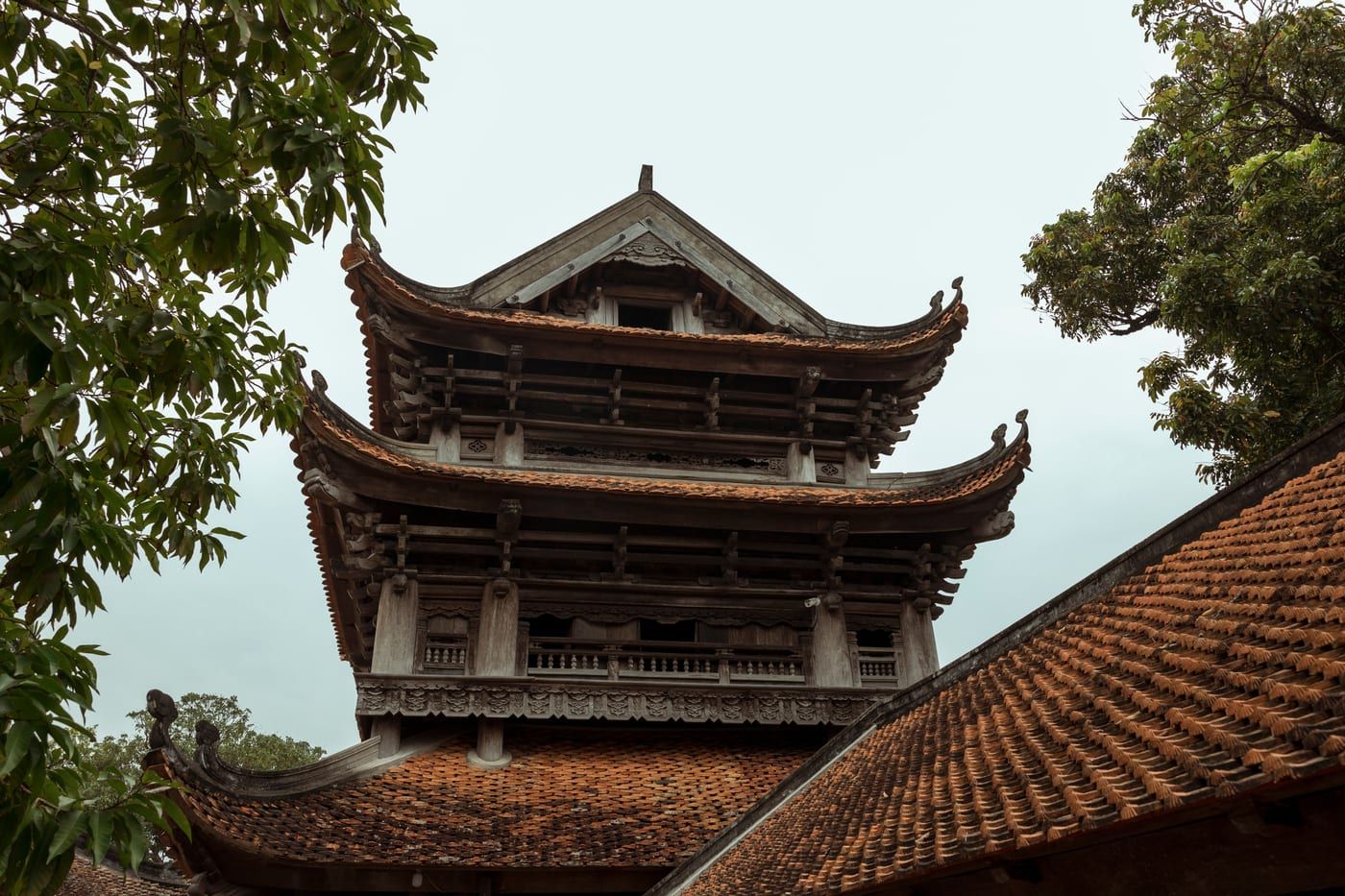
The old path climbs from the foot of the mountain through forest to the summit, linking a chain of pagodas and shrines. Near the bottom, the Giai Oan Pagoda stands beside a stream. Higher up is the Hue Quang tower garden, where stone and brick stupas hold the remains of the monks of Yen Tu, among them relics of Tran Nhan Tong himself. Further up, the Hoa Yen Pagoda was the centre of the monastery, where the king taught.
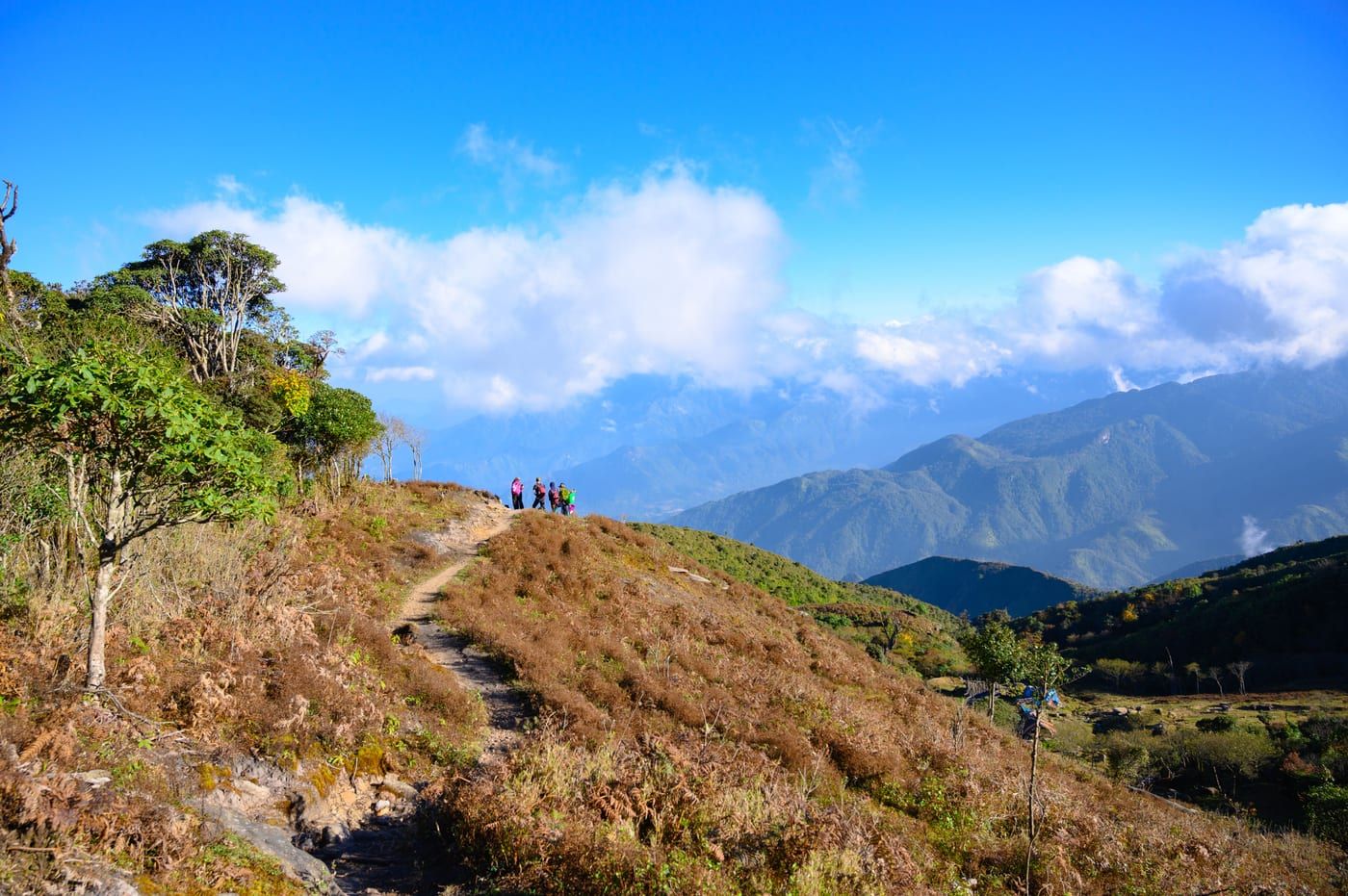
The last stretch is the steepest, with worn stone steps under old pines. At the top of Yen Tu mountain, a small shrine cast in bronze sits on a bare rock, often in cloud. On a clear day the view reaches towards the sea.
Festival, cable cars and the climb
The festival of Yen Tu opens on the tenth day of the first lunar month and goes on for about three months. In the weeks after Tet, the paths fill with pilgrims, many of them older people who climb slowly, praying at every shrine. Families come to ask for health and luck in the new year. Outside the festival season, the mountain is much quieter.
Two cable cars carry visitors over the lower slopes, leaving a climb of an hour or so to the summit. Climbing Yen Tu mountain the whole way on foot takes most of a day there and back. Wear good shoes and bring water; the steps are uneven and slippery after rain. It is a long day trip from Ha Long or from Hanoi.
Stories
Yen Tu: stories are on the way.