Hoi An
South Central Coast - Central Vietnam
- Province
- Da Nang
- Nearest airport
- Da Nang (DAD)
- Best time to visit
- February – May
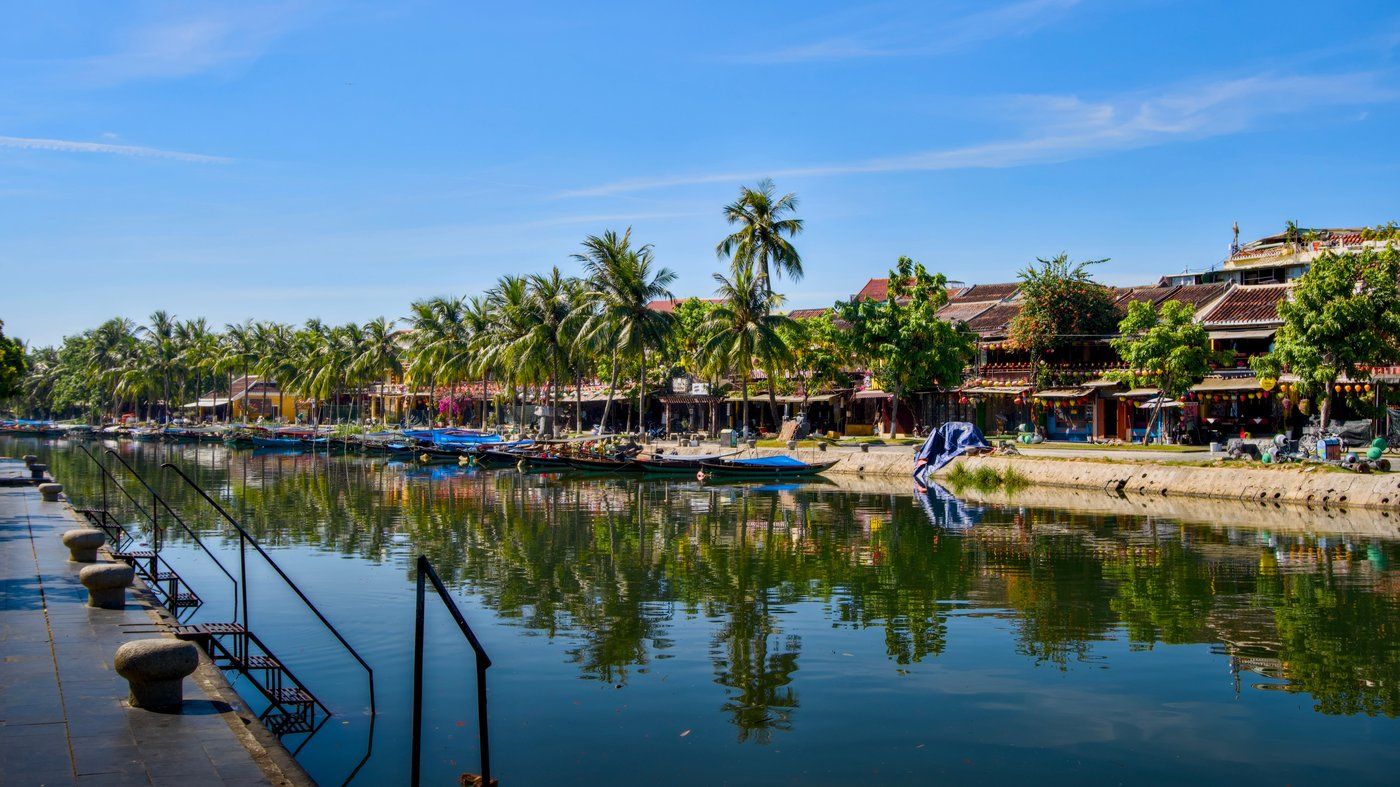
For three centuries Hoi An (Hội An) was one of the busiest ports in Southeast Asia. From the 15th to the 19th century, ships from China, Japan, Portugal and the Netherlands sailed up the Thu Bon River to trade silk, porcelain, pepper and cinnamon, and many merchants stayed. When the river silted up and trade moved to Da Nang, the town was left behind, and that is why it survived. UNESCO listed the Ancient Town in 1999 as a rare, intact example of a Southeast Asian trading port.
The Ancient Town
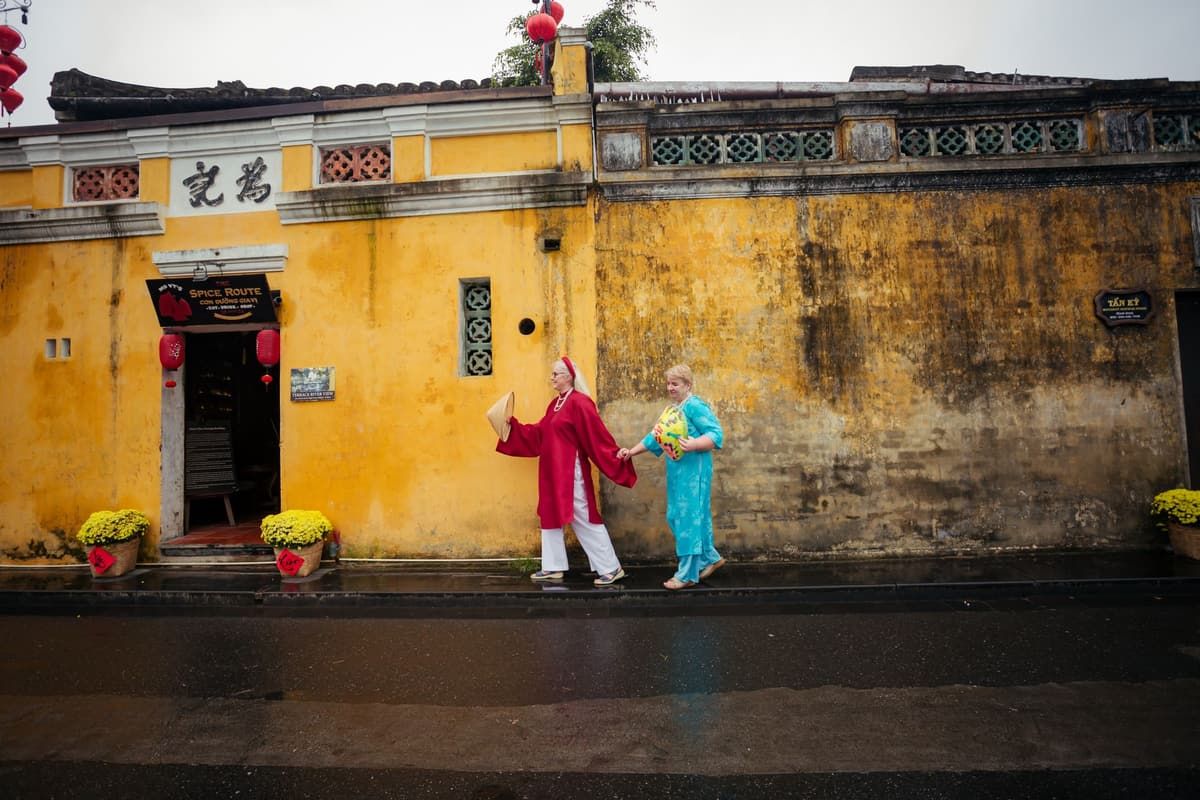
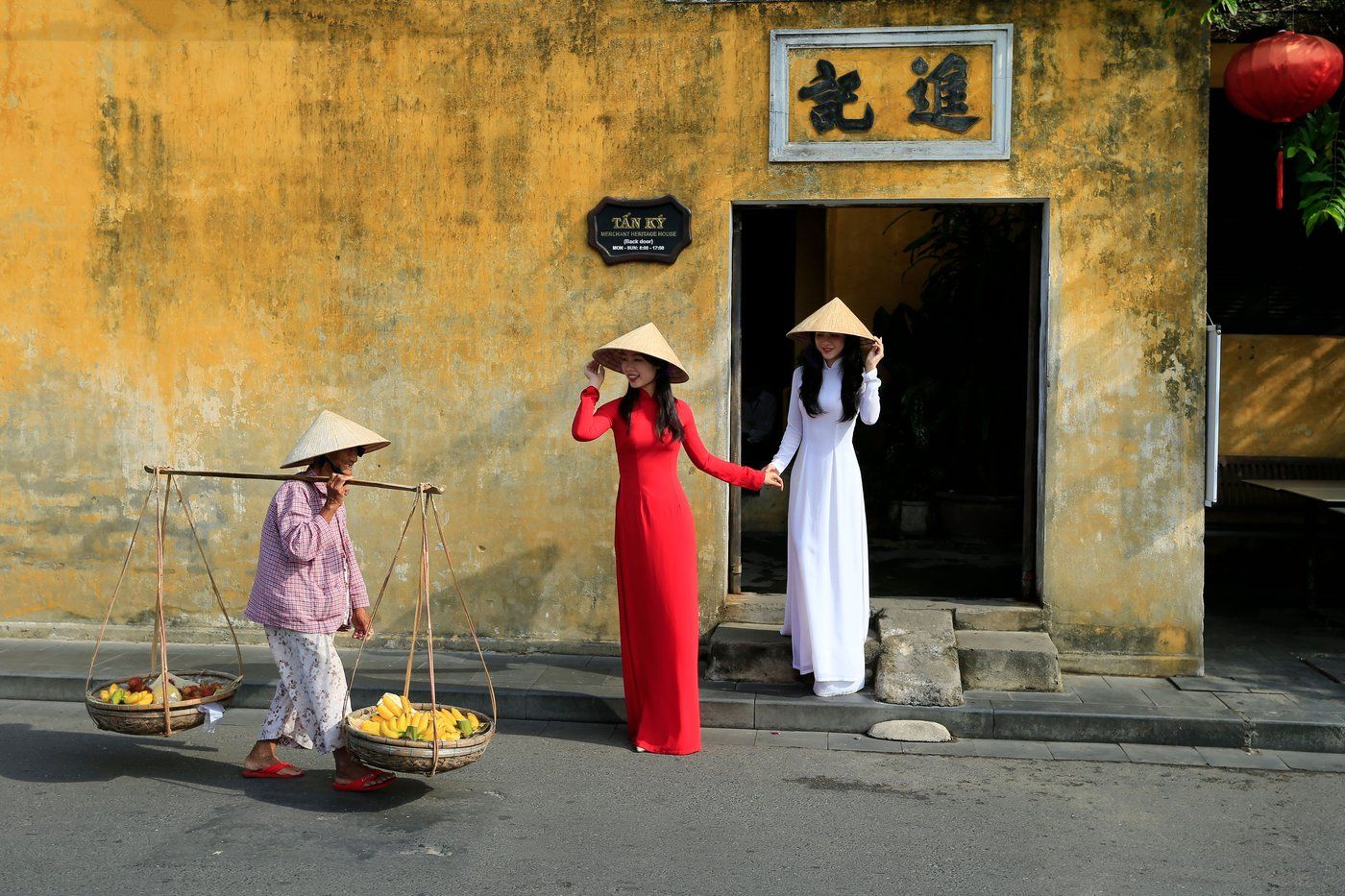
The old centre is small enough to cross on foot in fifteen minutes. Its yellow-walled shophouses run from the street back to the river, so goods could be loaded at one end and sold at the other. Some are still lived in by the families who built them: at Tan Ky Old House, seven generations have kept the dark wood carvings and the marks of past floods on the walls.
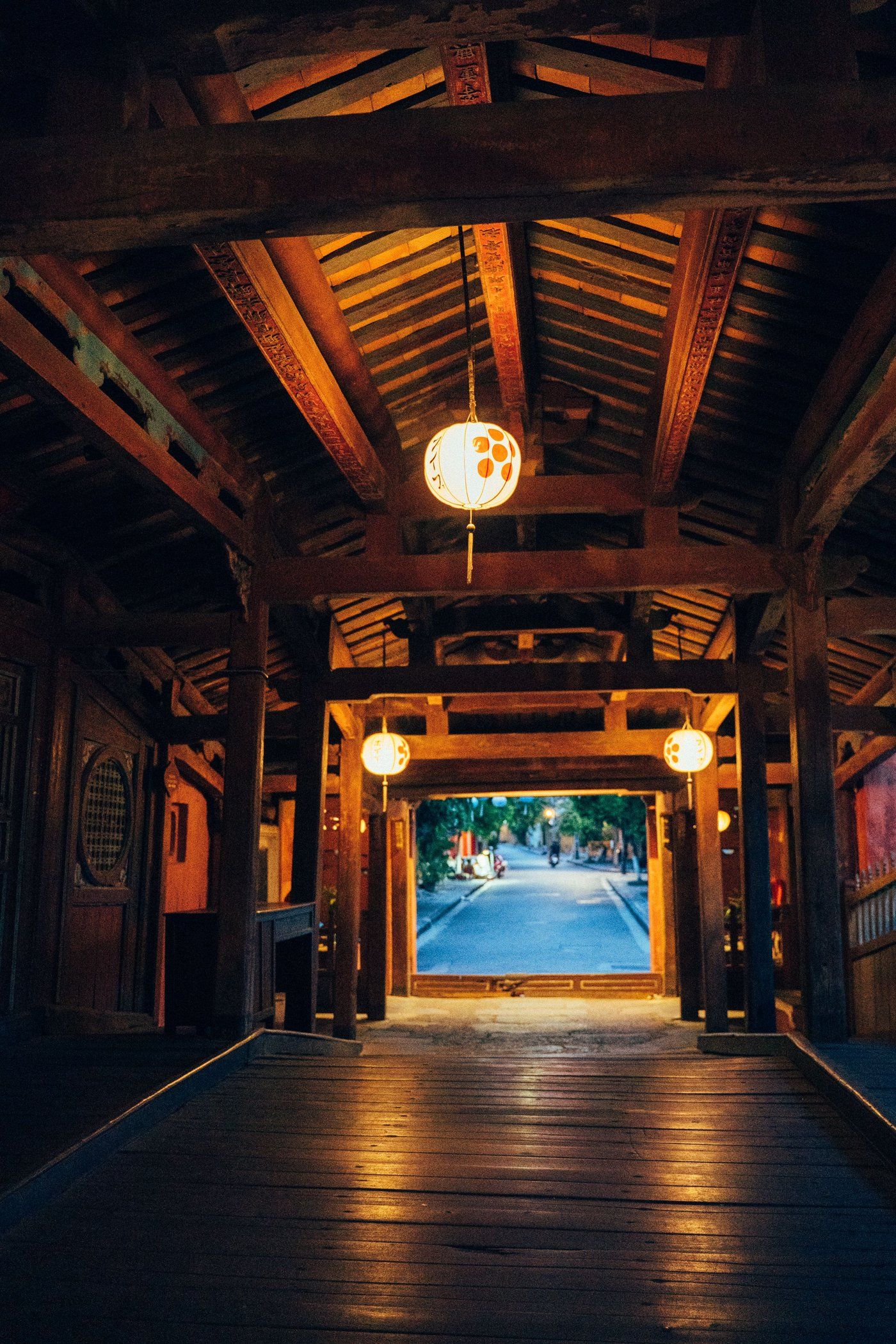
At the western end, the Japanese Covered Bridge dates from the early 17th century and has a small temple built into its side. Along Tran Phu Street, the Chinese communities each built an assembly hall, Fujian, Cantonese, Hainan and Chaozhou, with incense coils hanging from the ceilings and altars to the sea goddess Thien Hau who kept their ships safe.
A ticket sold at the entrances covers visits to a set of these houses, halls and museums. Cars and motorbikes are kept out of the centre for most of the day.
Lanterns and full moons
Silk lanterns are Hoi An’s signature, and lantern-making workshops will teach you to build one. On the 14th night of each lunar month the town holds its full-moon evening: shops dim their electric lights, lanterns glow along the streets, and people float paper candles on the river for luck and for their ancestors.
Around the town
The countryside is part of the visit. Tra Que village grows herbs and vegetables in beds fed with river weed; Thanh Ha has made pottery for five hundred years; Kim Bong, across the river, is a village of boat builders and woodcarvers. An hour inland, the brick towers of My Son were the religious heart of the Cham kingdom for nearly a thousand years.
Hoi An is also known for its tailors, who can make clothes to measure in a day or two, and for dishes found nowhere else: cao lau noodles, said to need water from one old well, and chicken rice cooked in its broth.
How long to stay
Two or three days is enough for the old town, a bicycle ride through the villages and a morning at My Son. February to May is dry and warm. Heavy rain and floods are common from October to December, when the river can rise into the streets.
Top attractions

Food
Hoi An Food Guide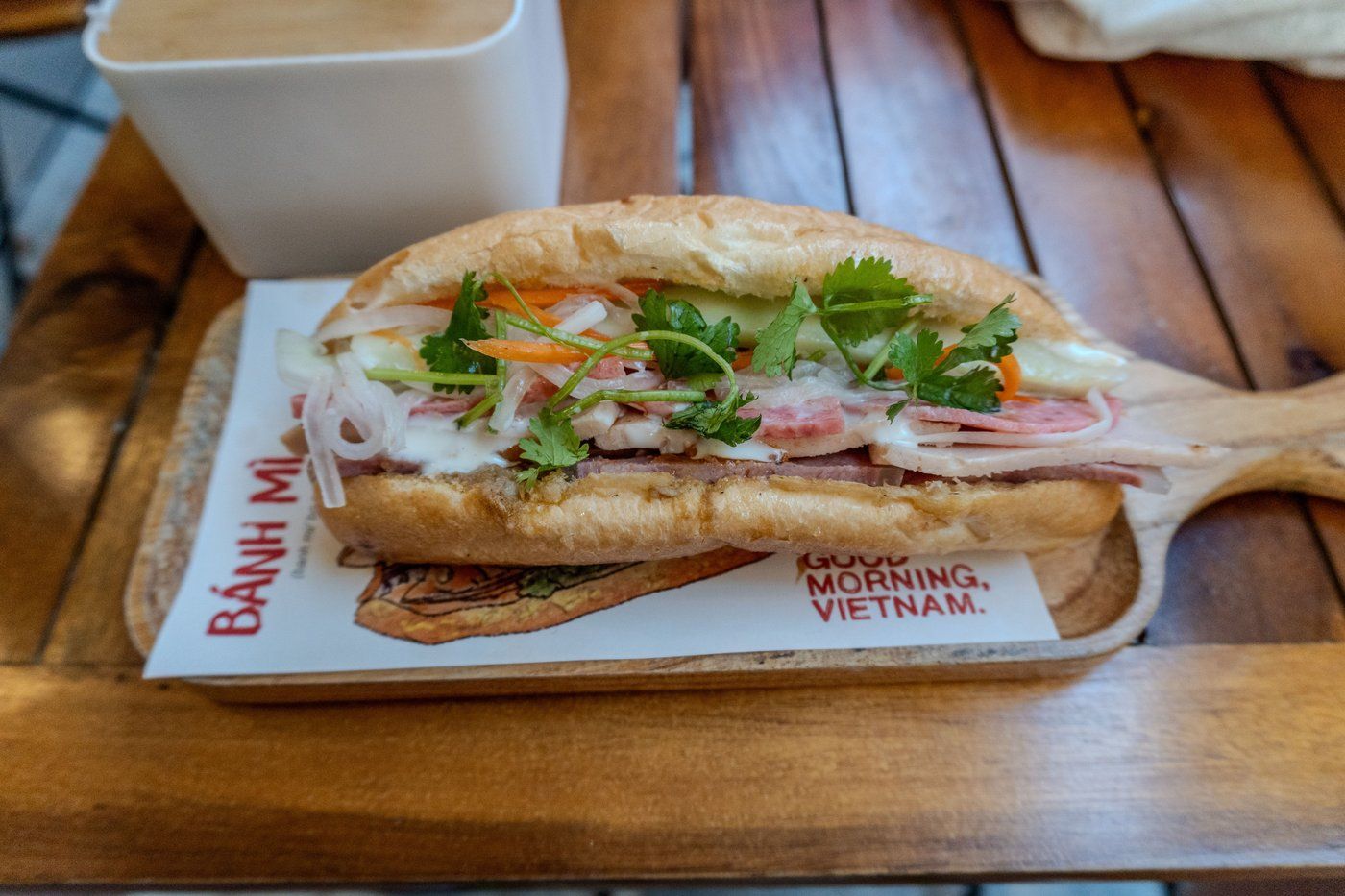
Stories
Stories about Hoi An are on the way.
Best time to visit
The usual best months are February – May.
Best months for every destinationGetting there
The nearest airport with scheduled flights is Da Nang (DAD).
All destinations by airport