Phong Nha
North Central Coast - Central Vietnam
- Province
- Quang Tri
- Nearest airport
- Dong Hoi (VDH)
- Best time to visit
- March – August
The mountains of Phong Nha–Ke Bang National Park (Phong Nha–Kẻ Bàng), near the border with Laos, are hollow. Rivers have worked through the limestone for hundreds of millions of years, and the caves they left behind include some of the largest on Earth. UNESCO listed the park in 2003 for its geology and extended the listing in 2015 for its forests and wildlife. The village of Phong Nha, beside the Son River, is where most visitors stay.
The caves
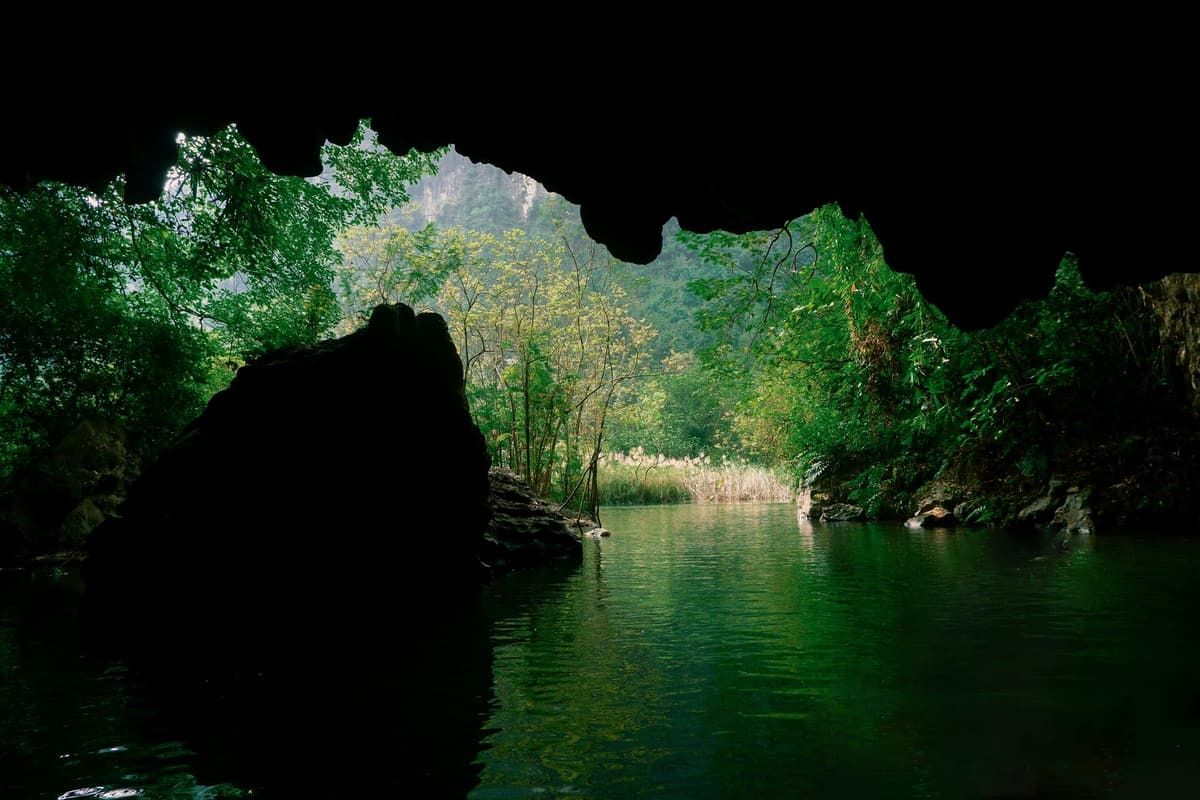
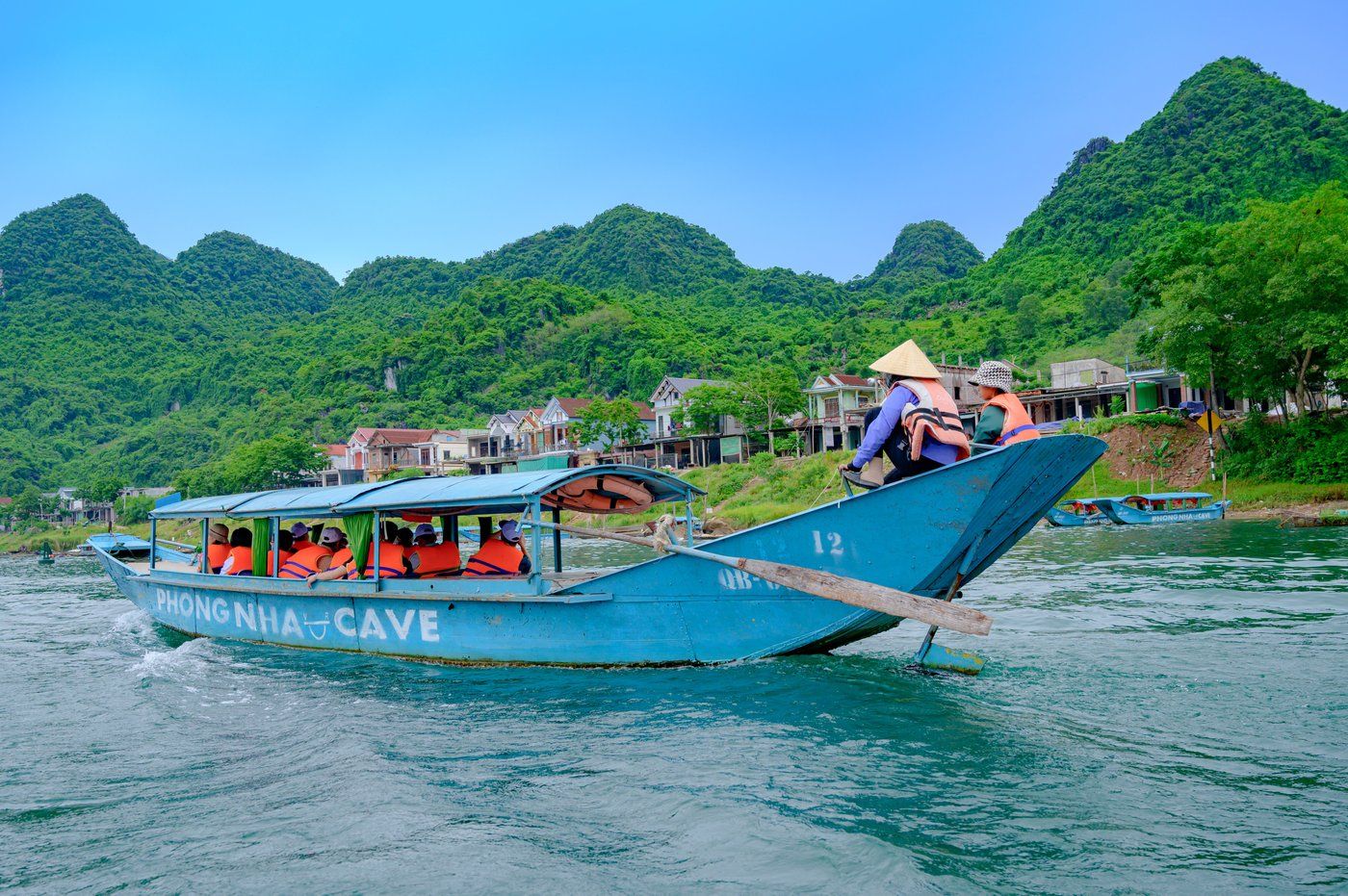
The easiest to reach is Phong Nha Cave itself. Boats carry visitors up the Son River and straight into the mountain, along an underground river past chambers of stalactites, before letting them off to walk back through the dry galleries. Around the 9th and 10th centuries Cham people used the cave as a shrine, and inscriptions in their script survive on its walls.
Paradise Cave was found by a local man in 2005 and runs for more than 30 kilometres. A wooden boardwalk leads about a kilometre into it, through halls lit to show columns many metres tall. At Dark Cave, visitors swim, wade through mud and ride a zipline over the river at the entrance.
Son Doong is the largest known cave passage in the world, tall enough in places to hold a block of skyscrapers, with its own jungle growing where the roof has collapsed. A local man, Ho Khanh, found its entrance in 1990 while sheltering from a storm, but it was not explored until a British team surveyed it in 2009. Only a few hundred people a year can visit, on expeditions of several days booked far in advance.
The forest and the trail
Above the caves, the park’s forest is home to langurs, gibbons and hundreds of kinds of birds and orchids. Many treks combine jungle walking with smaller caves and river crossings, led by people from the villages around the park, who once lived by logging and hunting in it.
A branch of the Ho Chi Minh Trail, the network of roads and paths that carried supplies south during the war, runs through the park. Some caves sheltered people and supplies from bombing, and the Tam Co cave remembers eight young volunteers who died there in 1972.
Village life
Away from the caves, Phong Nha is a farming valley of rice fields, water buffalo and pepper gardens, best explored by bicycle. Local families serve grilled river fish, chicken roasted with lemongrass and wild greens from the forest.
How long to stay
Two or three days allows the main caves and a day trek. March to August is the best season, dry enough for caving, though June to August is hot. From September to November, heavy rain can flood the rivers and close the caves. The nearest airport is Dong Hoi, about an hour’s drive, and night trains and buses stop there too.
Top attractions
Food
Phong Nha Food Guide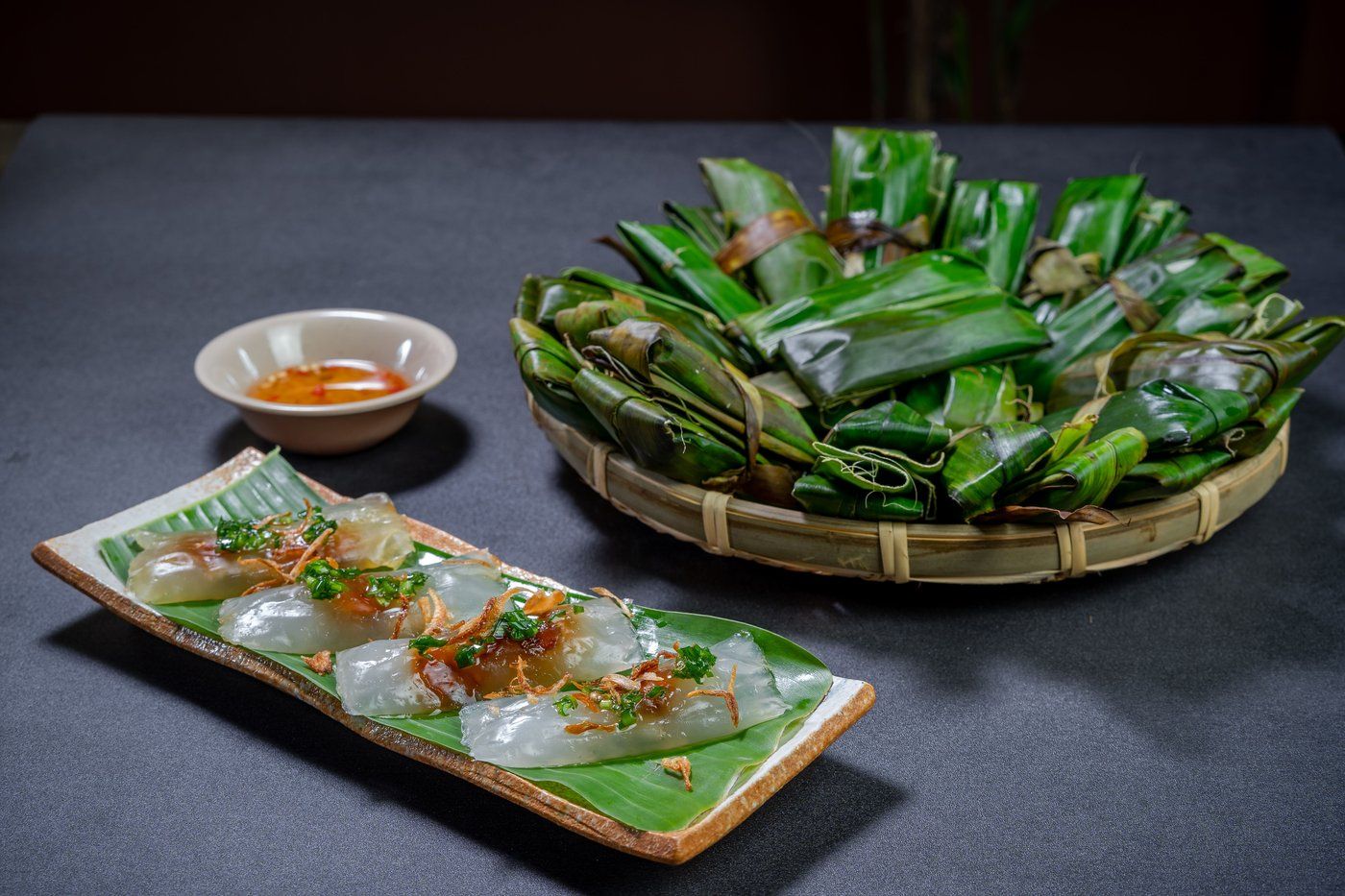
Stories
Stories about Phong Nha are on the way.
Best time to visit
The usual best months are March – August.
Best months for every destinationGetting there
The nearest airport with scheduled flights is Dong Hoi (VDH).
All destinations by airport