Temples and Pagodas
Temples in Vietnam, from Buddhist pagodas and communal houses to Cham towers: what each building is for, who is honoured there and how to visit.
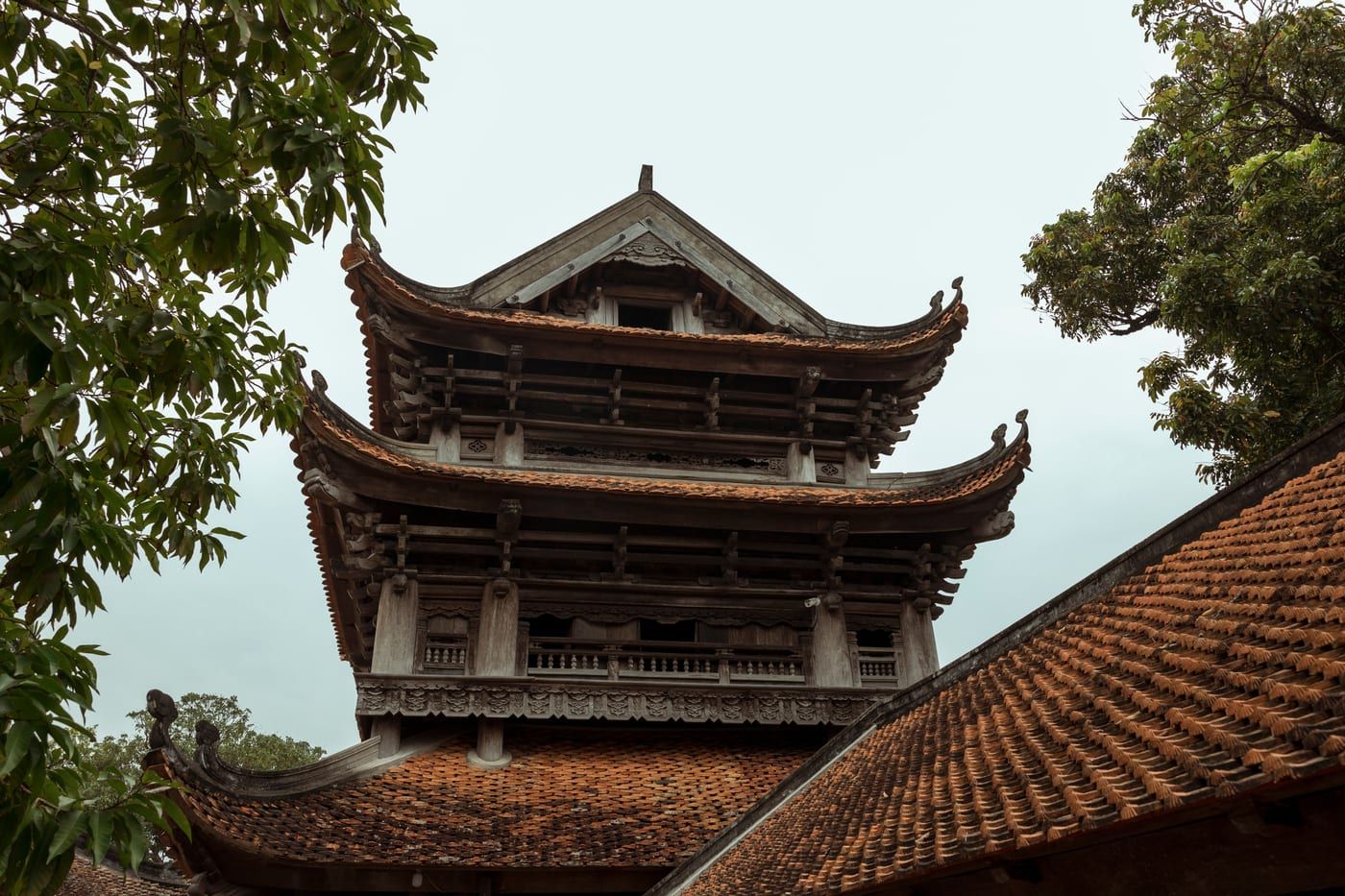
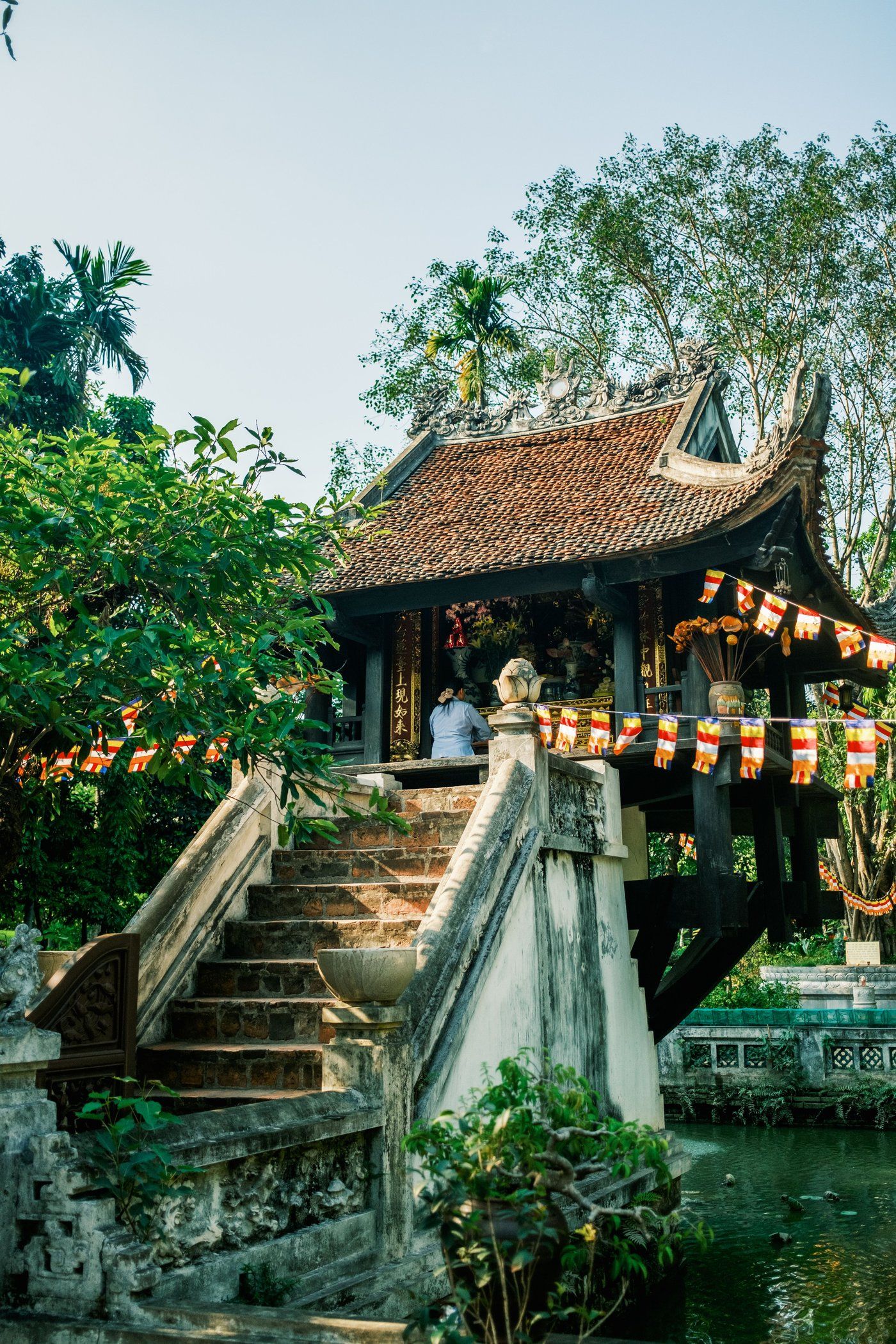
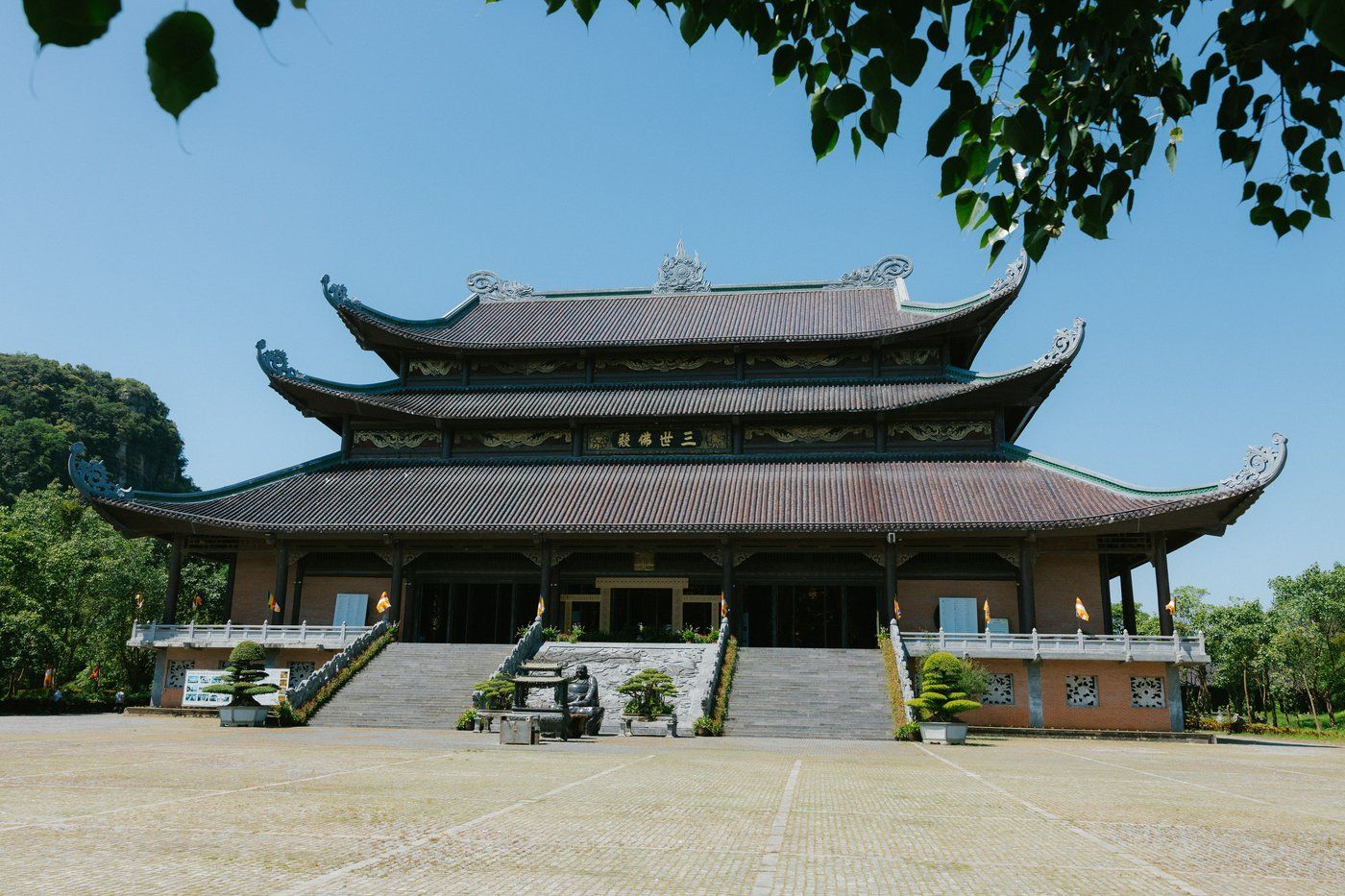
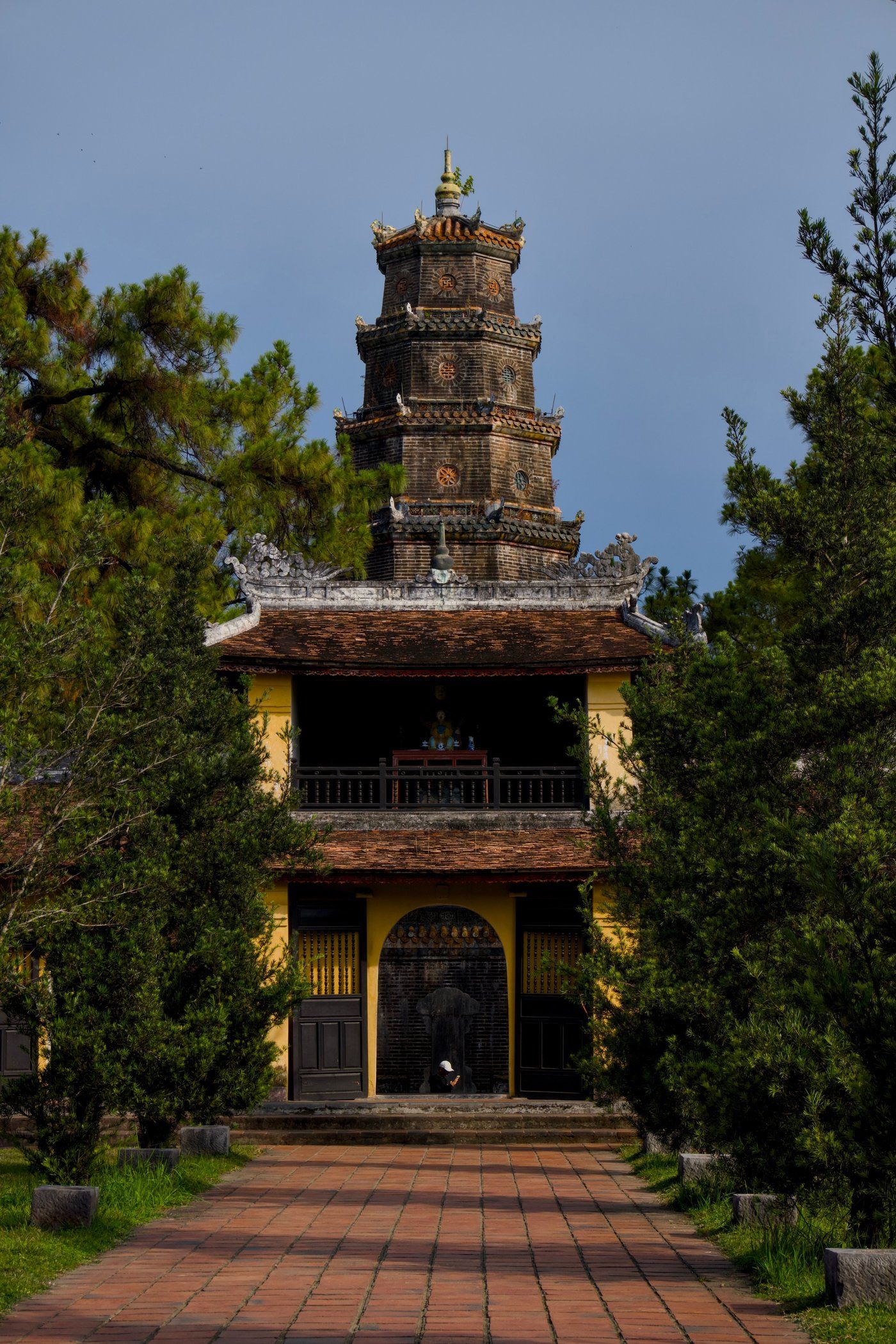
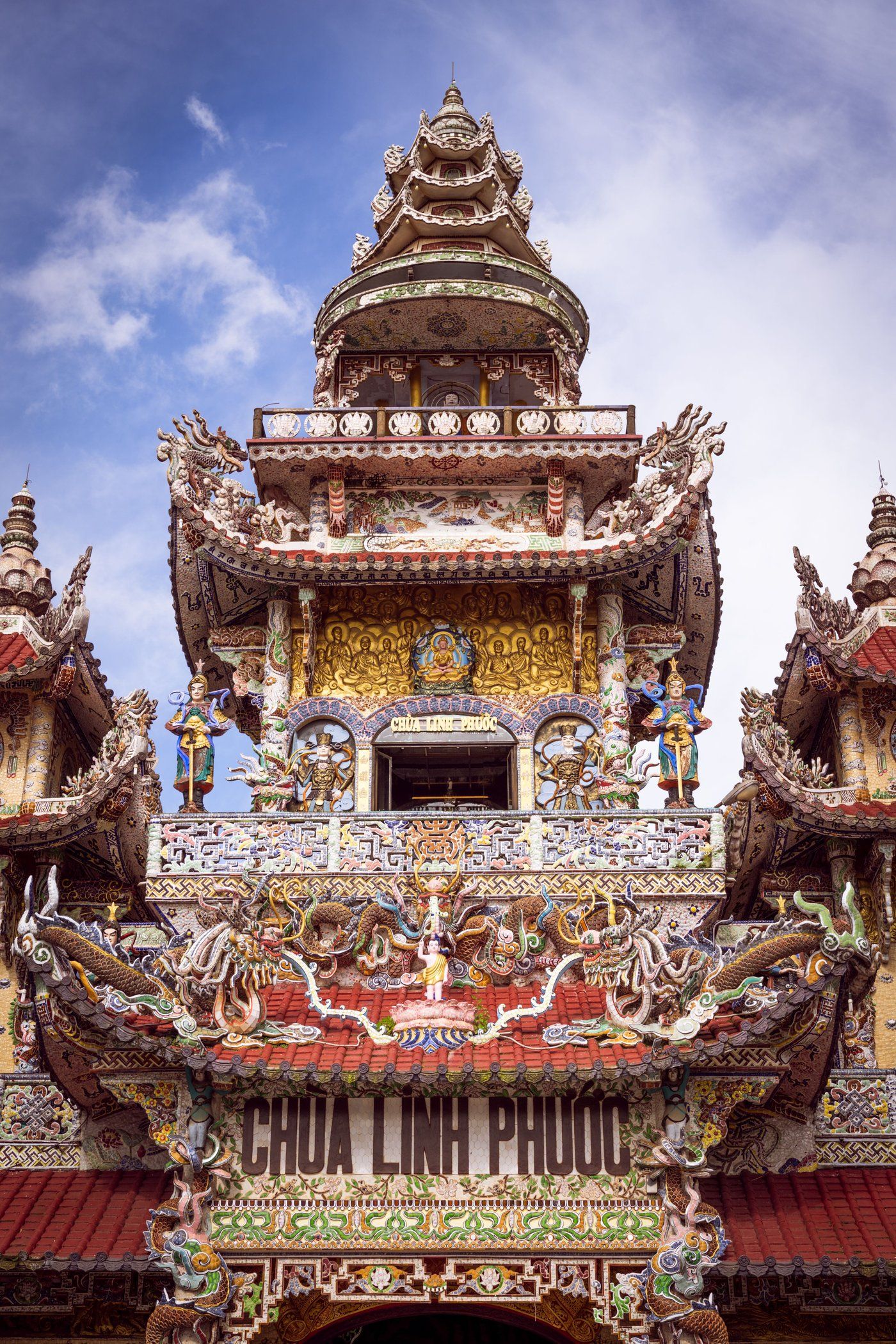
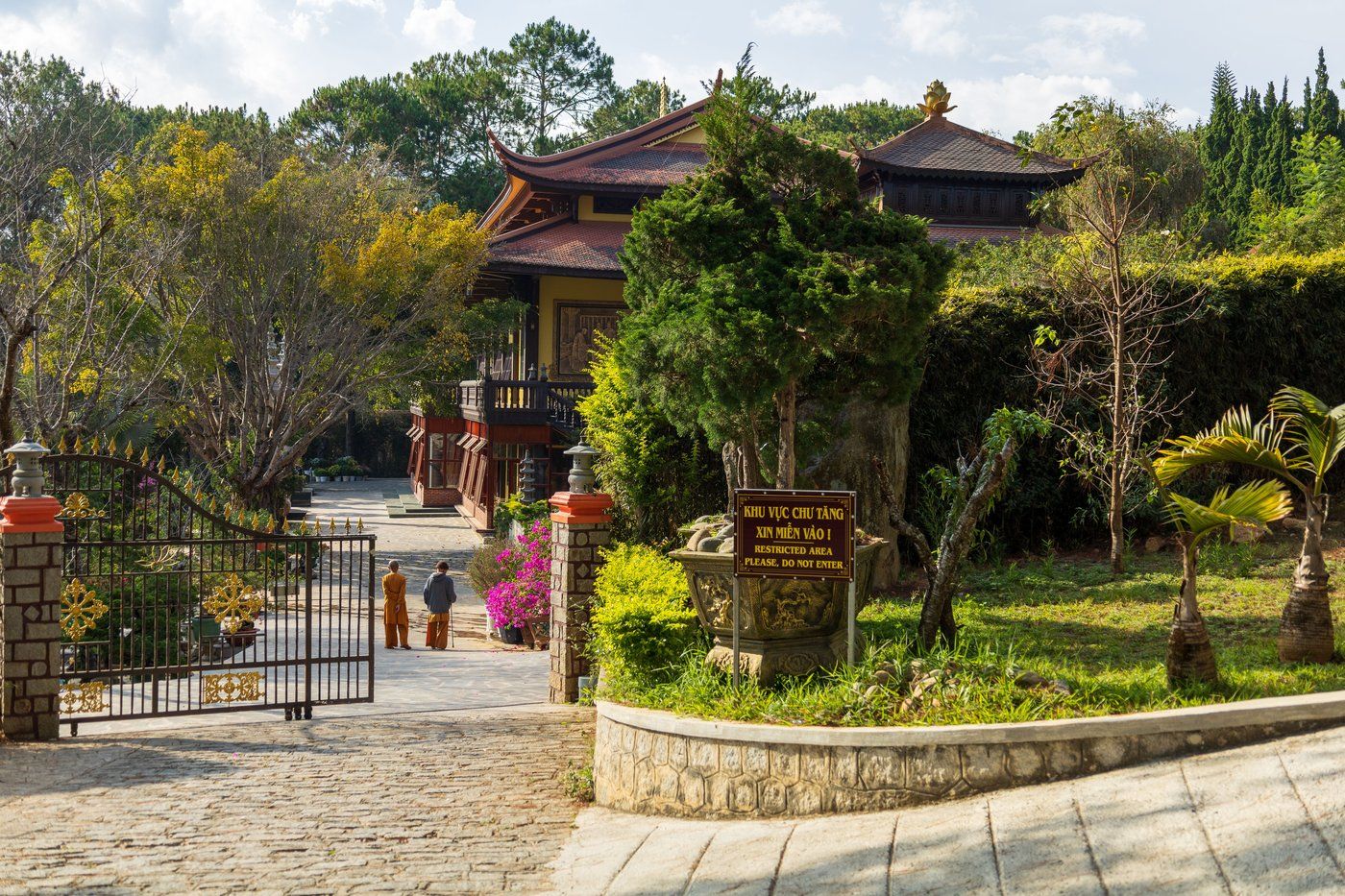
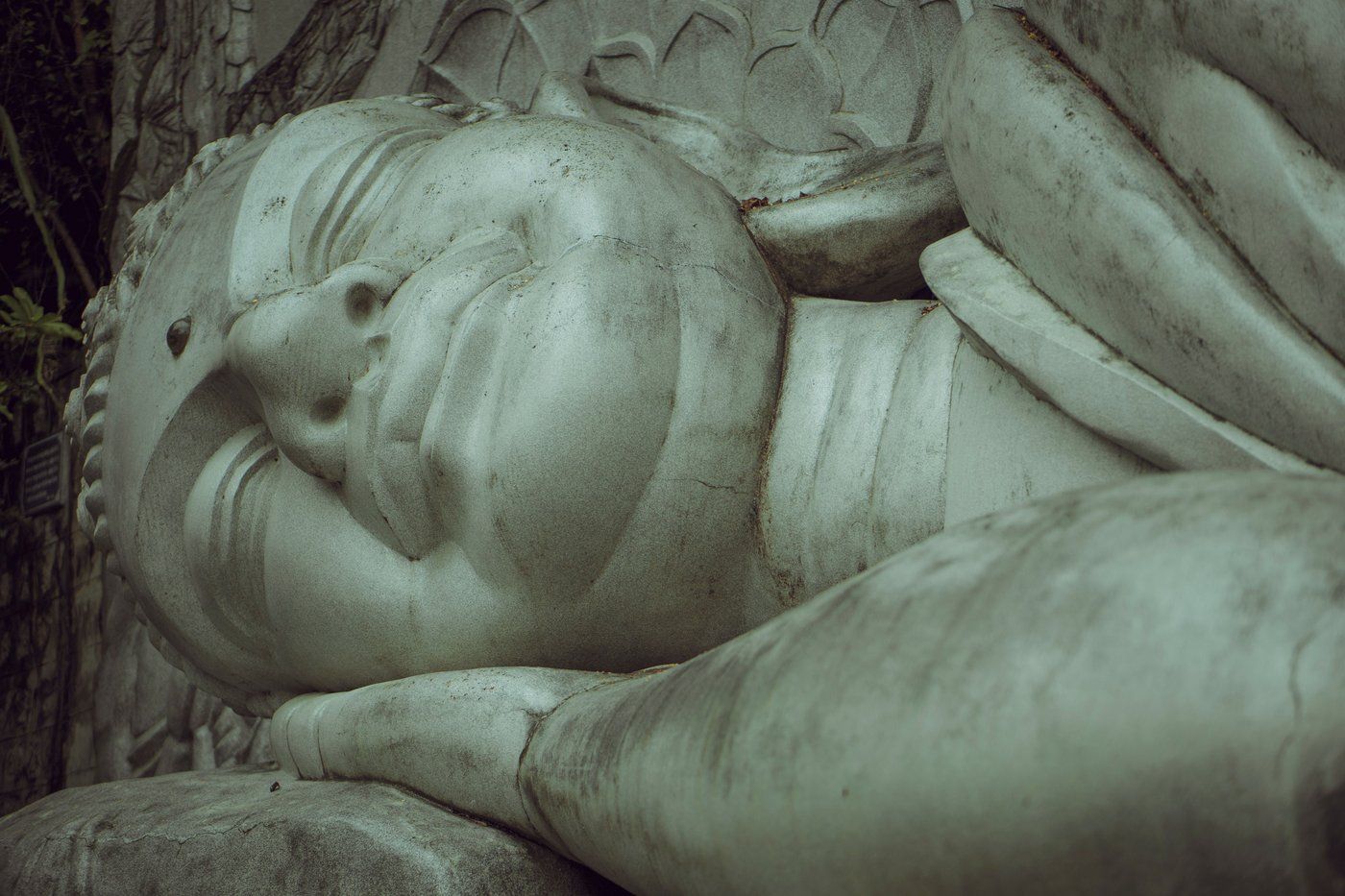
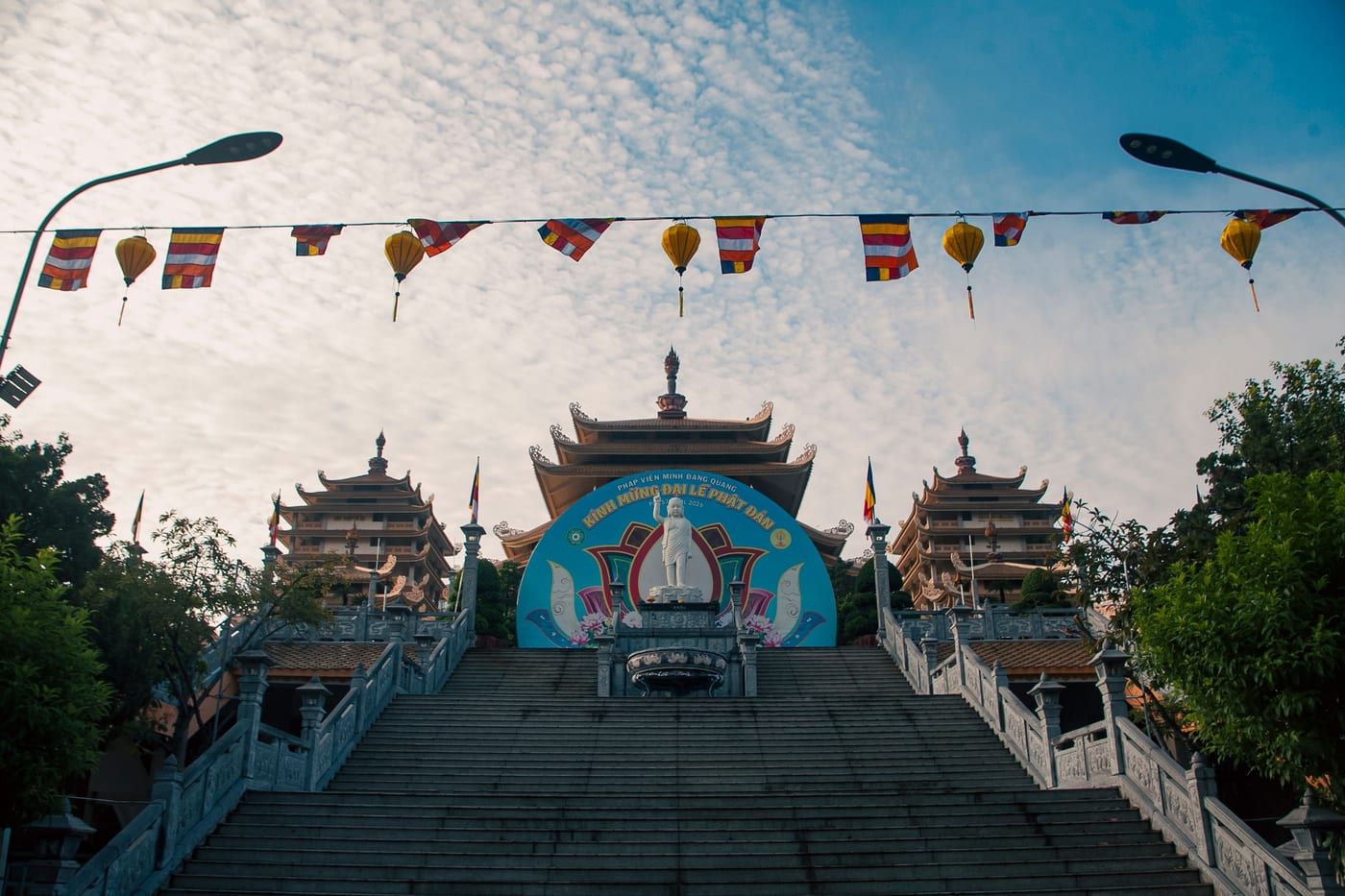
The temples in Vietnam come in three main kinds, and in almost any village you will find all three, often within sight of each other. The chua is a Buddhist pagoda, with statues of the Buddha and bodhisattvas, a bell, and monks or nuns who live there. The den is a temple to a hero, a deity or a deified person, such as a general who fought off an invader. The dinh is the communal house, where the village honours its tutelary spirit and where, in the past, the elders met to settle village business. Knowing which is which tells you what you are looking at before you step through the gate.
Three teachings under one roof
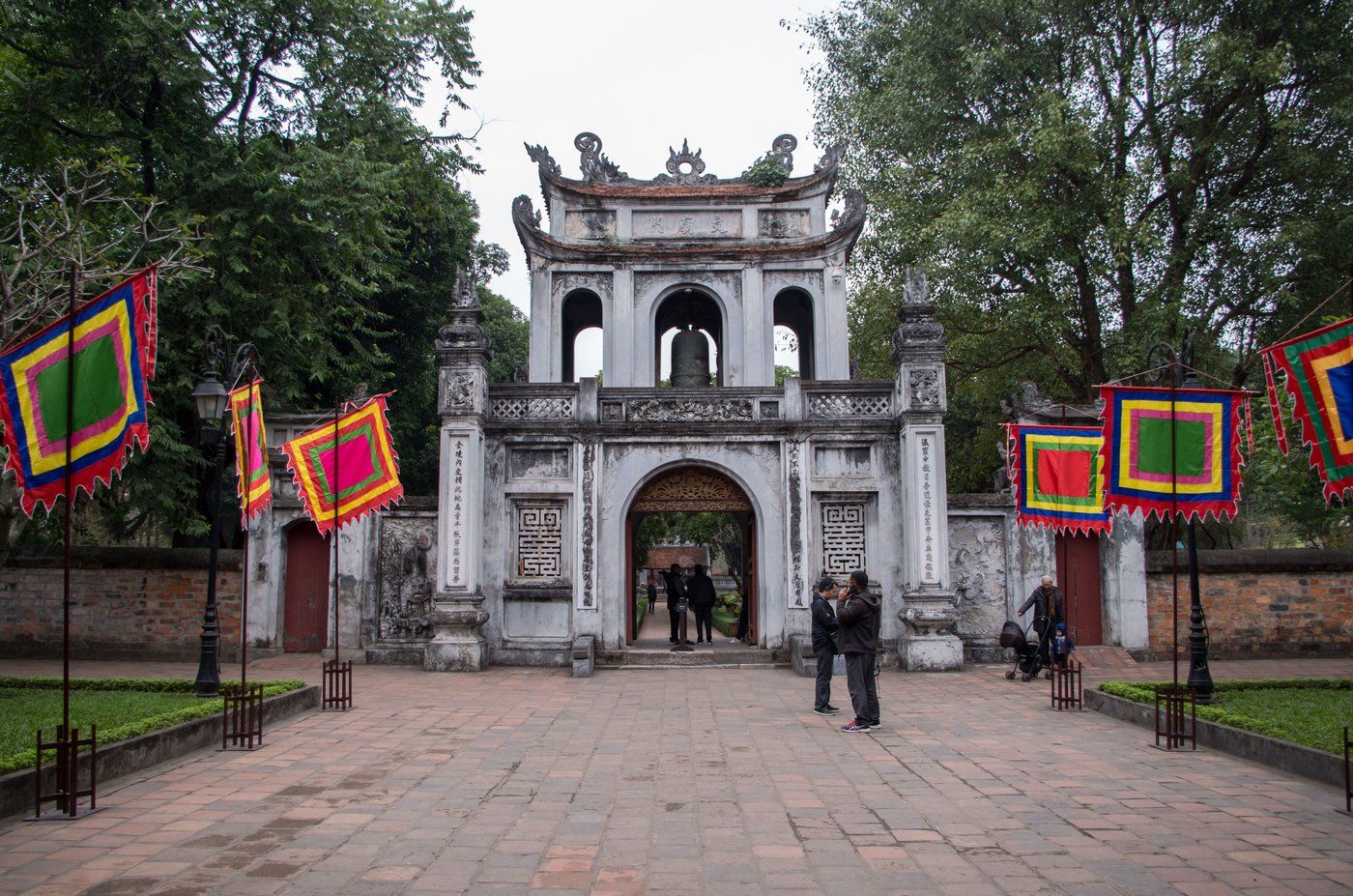
Worship at temples in Vietnam rarely keeps to one tradition. A pagoda may have an altar to the Mother Goddesses at the back, and a temple to a general may hold a Buddhist statue. People speak of the three teachings, Buddhism, Confucianism and Taoism, as strands of one practice rather than rival faiths. The Confucian side is clearest at the Temples of Literature, built to honour Confucius and the scholars who passed the royal examinations; the one in Hanoi is the best known, but Hue and other old provincial centres have their own.
North, centre and south
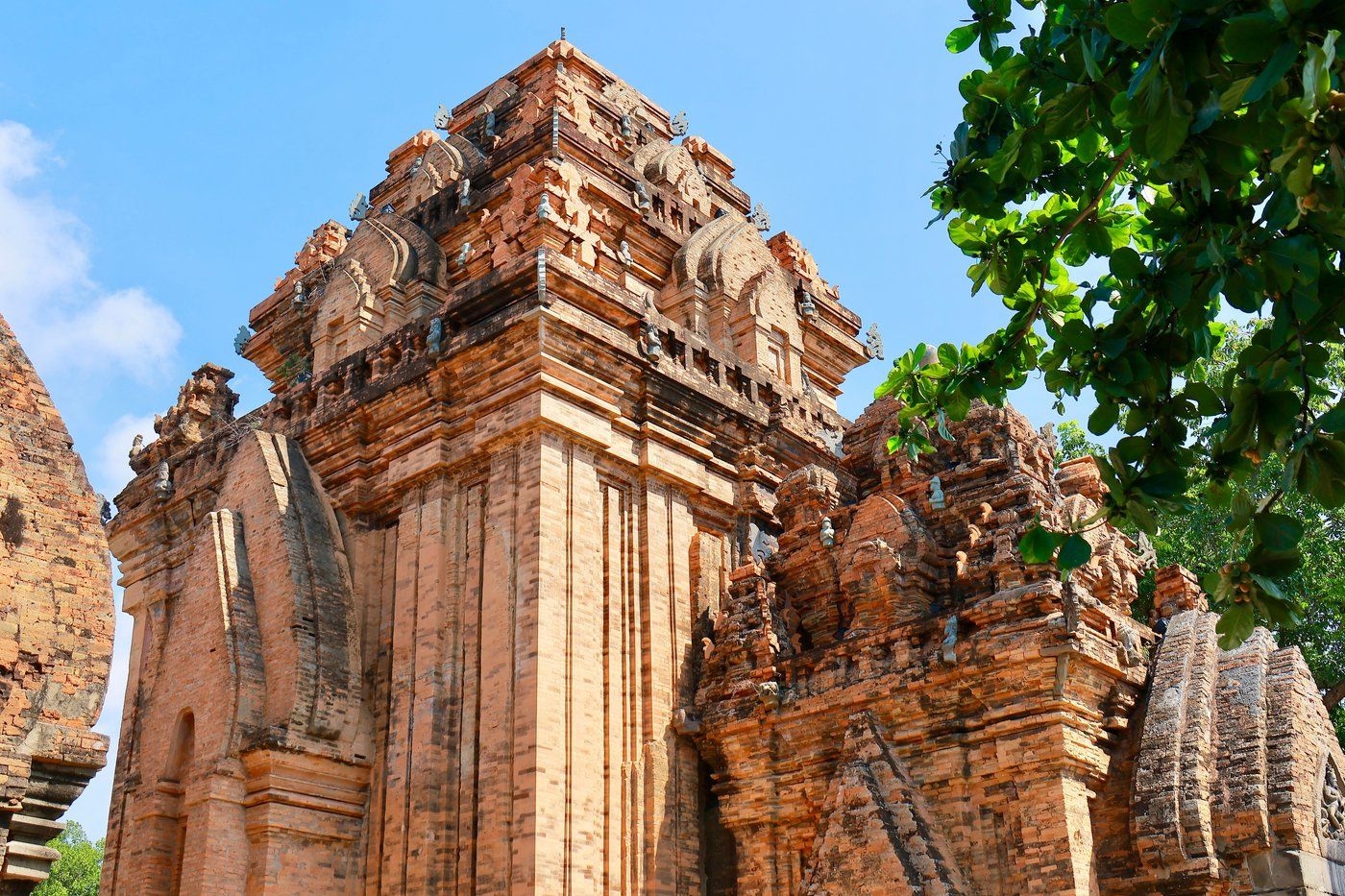
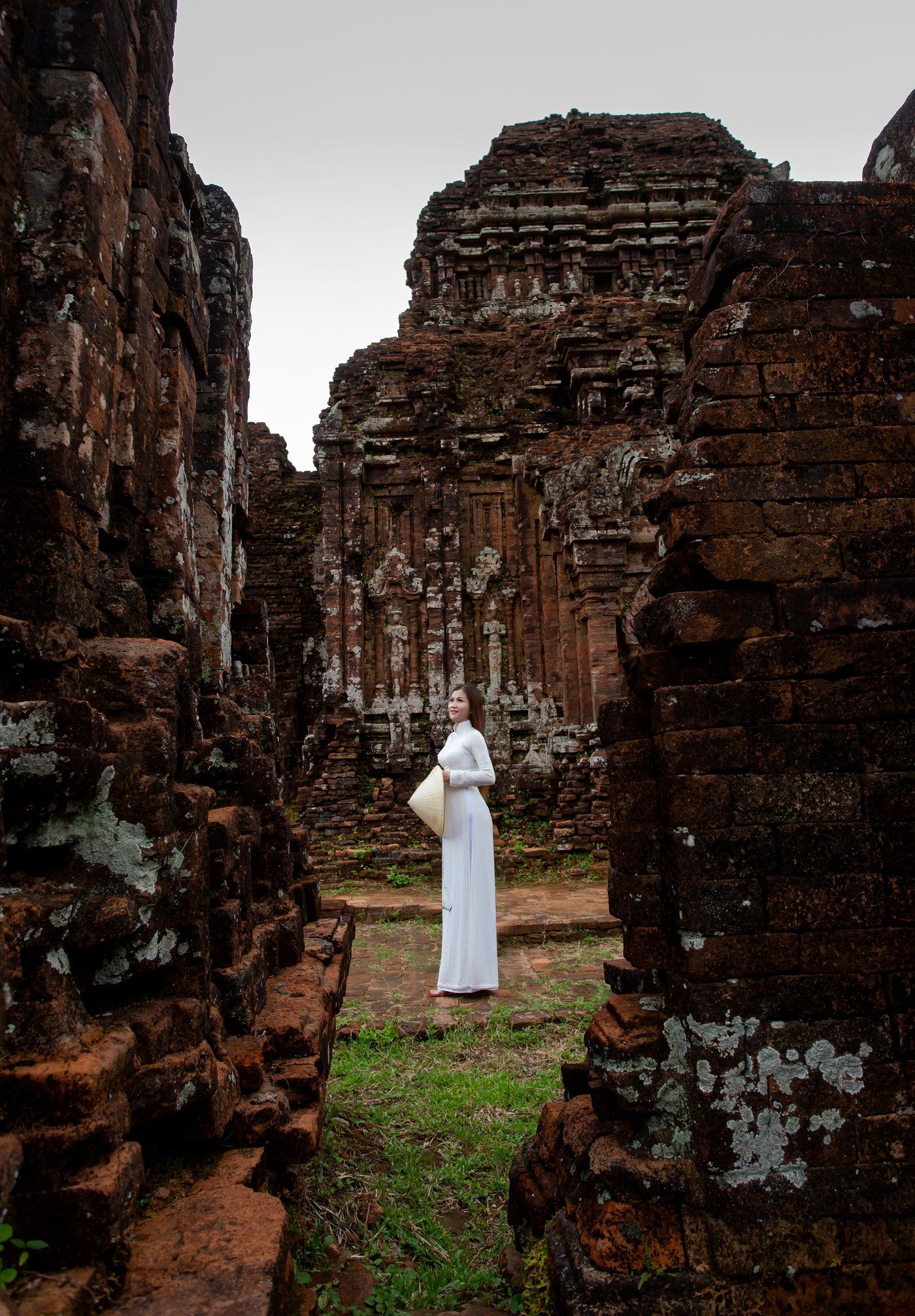
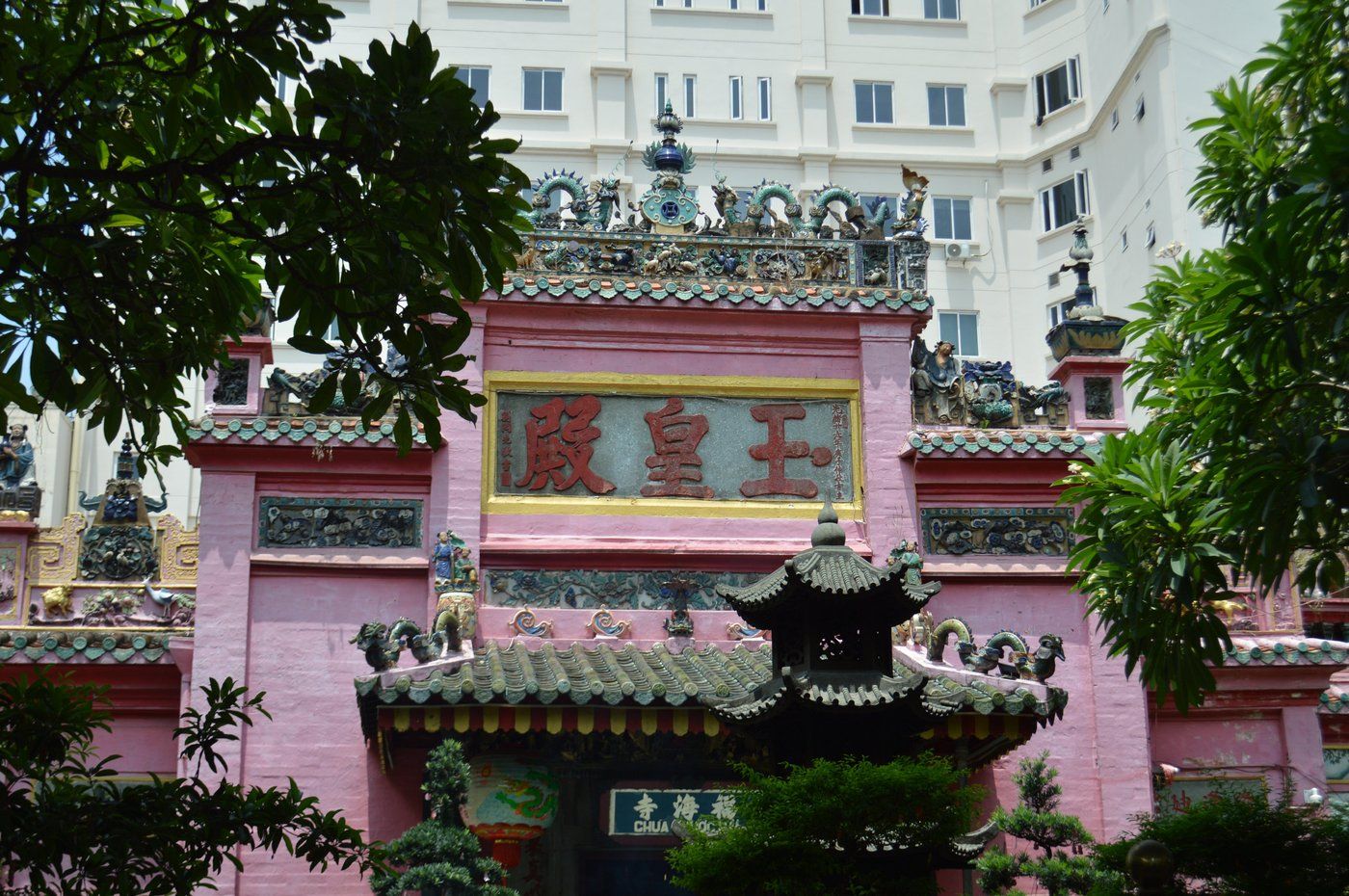
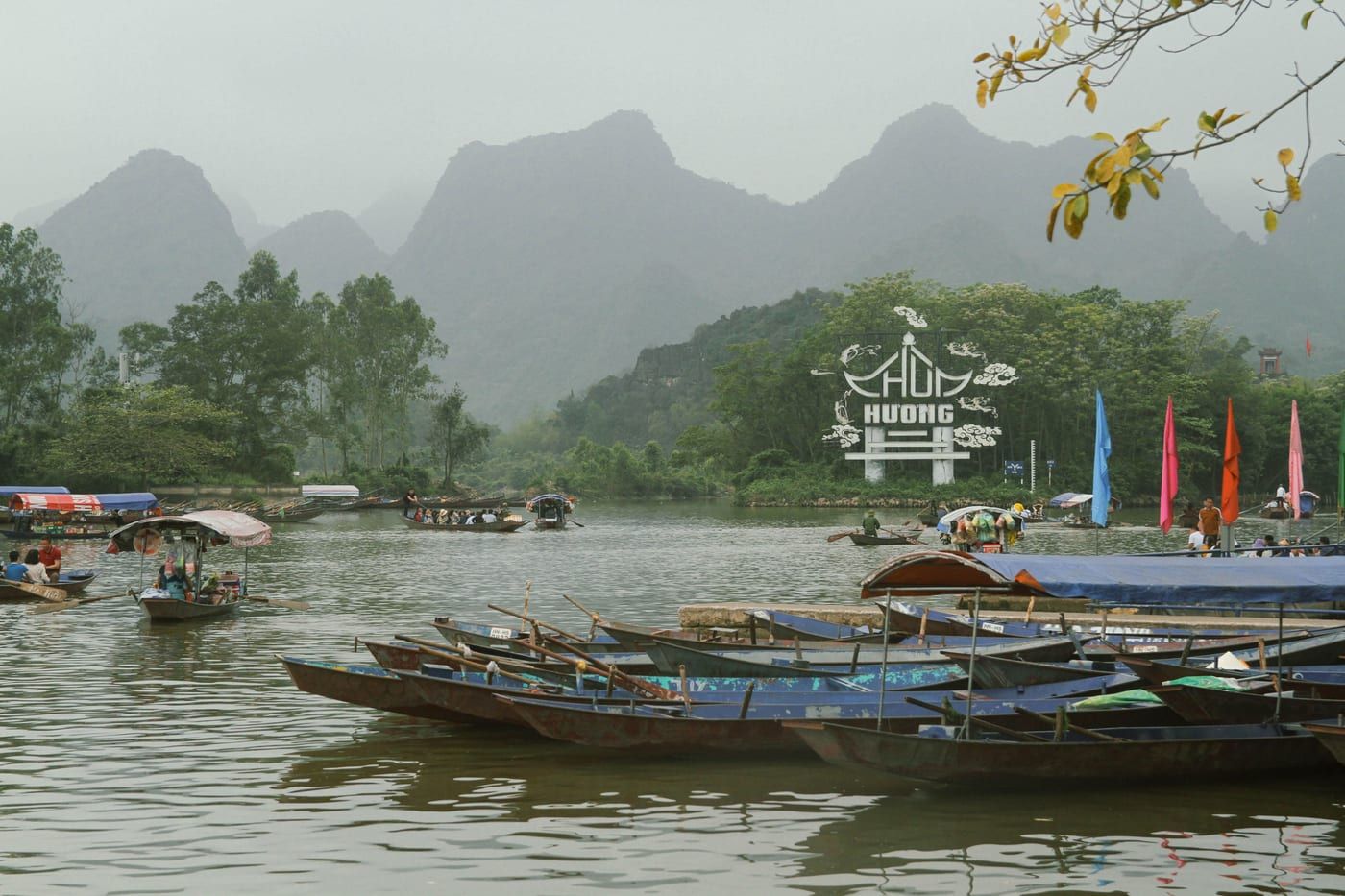
The north holds the oldest and densest network: village pagodas with curved roofs and moss-covered stone in the Red River Delta, and the great pilgrimage sites of Yen Tu and the Perfume Pagoda, busiest in the first lunar months. In the centre, Hue’s pagodas grew up under royal patronage, and along the coast stand the brick towers of the Cham, built for Hindu gods and still visited by Cham and Vietnamese worshippers. In the south, Khmer communities of the Mekong Delta keep Theravada temples with steep, gilded roofs, and Chinese assembly halls in Ho Chi Minh City and Hoi An honour the sea goddess Thien Hau.
When the buildings come alive
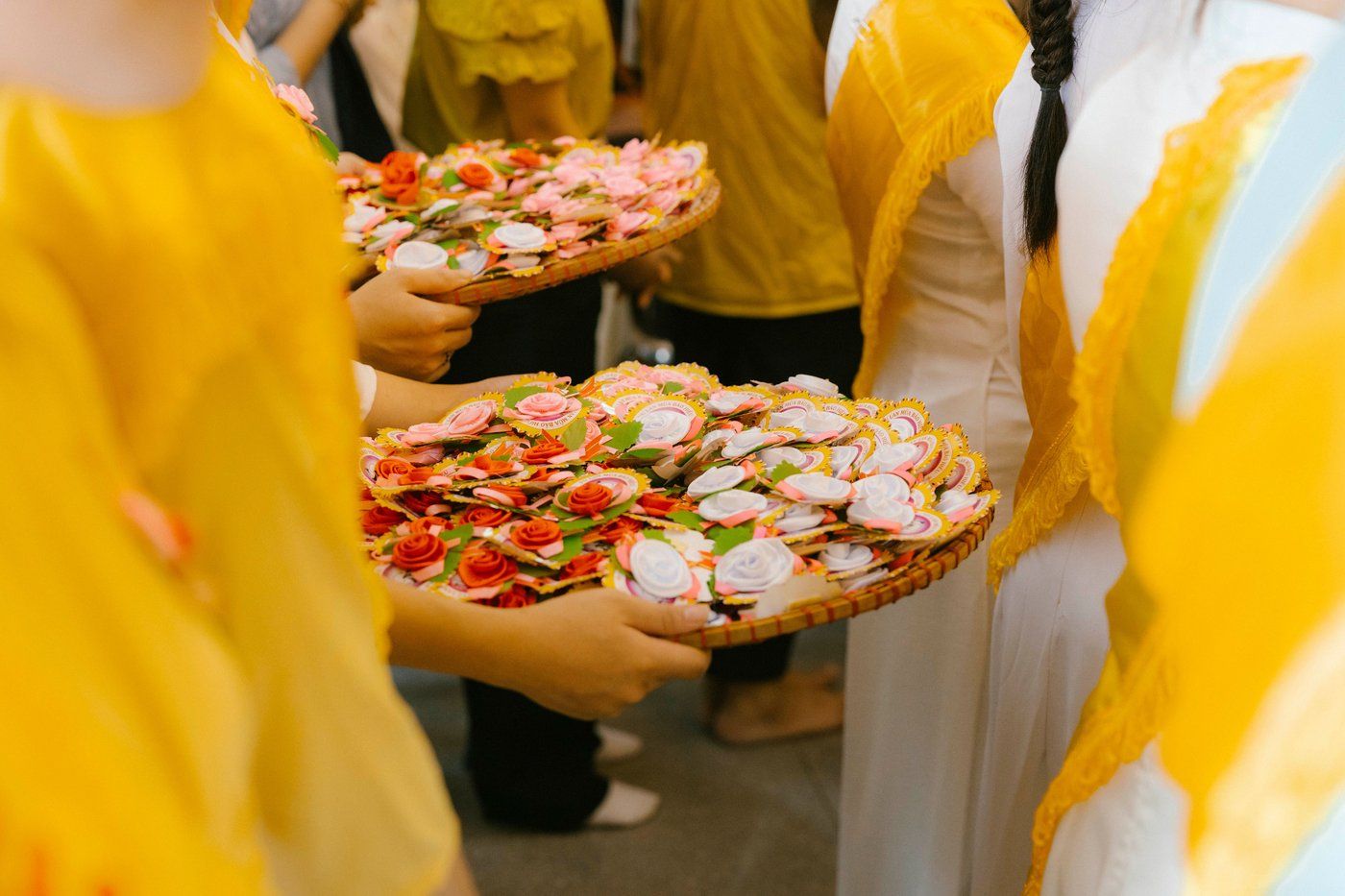
Most of the time, temples in Vietnam are quiet. They fill on the first and fifteenth days of each lunar month, when families bring fruit, flowers and incense, and on festival days such as Vesak and Vu Lan. Village communal houses hold their own festivals on the spirit’s day, with processions, offerings and sometimes wrestling or games in the courtyard.
Visiting temples in Vietnam
Cover shoulders and knees, take off your shoes where you see others do it, and walk around rather than across the space in front of the main altar. It is fine to watch a ceremony from the side; ask before photographing people at prayer. For how these places fit into family life, see Ancestors and Family Rites.
Top attractions
Northern Vietnam
- Yen TuHa Long BayUNESCO-listed
Central Vietnam
- Twin TowersQuy Nhon
Southern Vietnam
Festivals
- Lunar 10/1Yen Tu FestivalThe climb to the mountain pagodas where Truc Lam Zen began, in Quang Ninh.
Stories
Temples and Pagodas: stories are on the way.