Hue
North Central Coast - Central Vietnam
- Province
- Hue
- Nearest airport
- Phu Bai (HUI)
- Best time to visit
- February – April
From 1802 to 1945, Hue (Huế) was the capital of Vietnam under the Nguyen, the last dynasty to rule the country. Emperor Gia Long built his citadel on the north bank of the Perfume River, and his successors added palaces, temples and, in the hills upstream, tombs designed as gardens for the afterlife. The last emperor, Bao Dai, gave up the throne here in 1945. UNESCO listed the complex of Hue monuments in 1993, the first site in Vietnam to be listed.
The Imperial City
Inside the citadel walls lies the Imperial City, entered through the Noon Gate, where emperors watched ceremonies from a pavilion above the gate. Beyond it are the Throne Palace, the halls of the mandarins and the remains of the Forbidden Purple City, where only the emperor’s family and servants could go. Much of it was destroyed in the fighting of 1968, and restoration is still under way; its gardens and rebuilt halls take at least half a day.
Tombs along the river
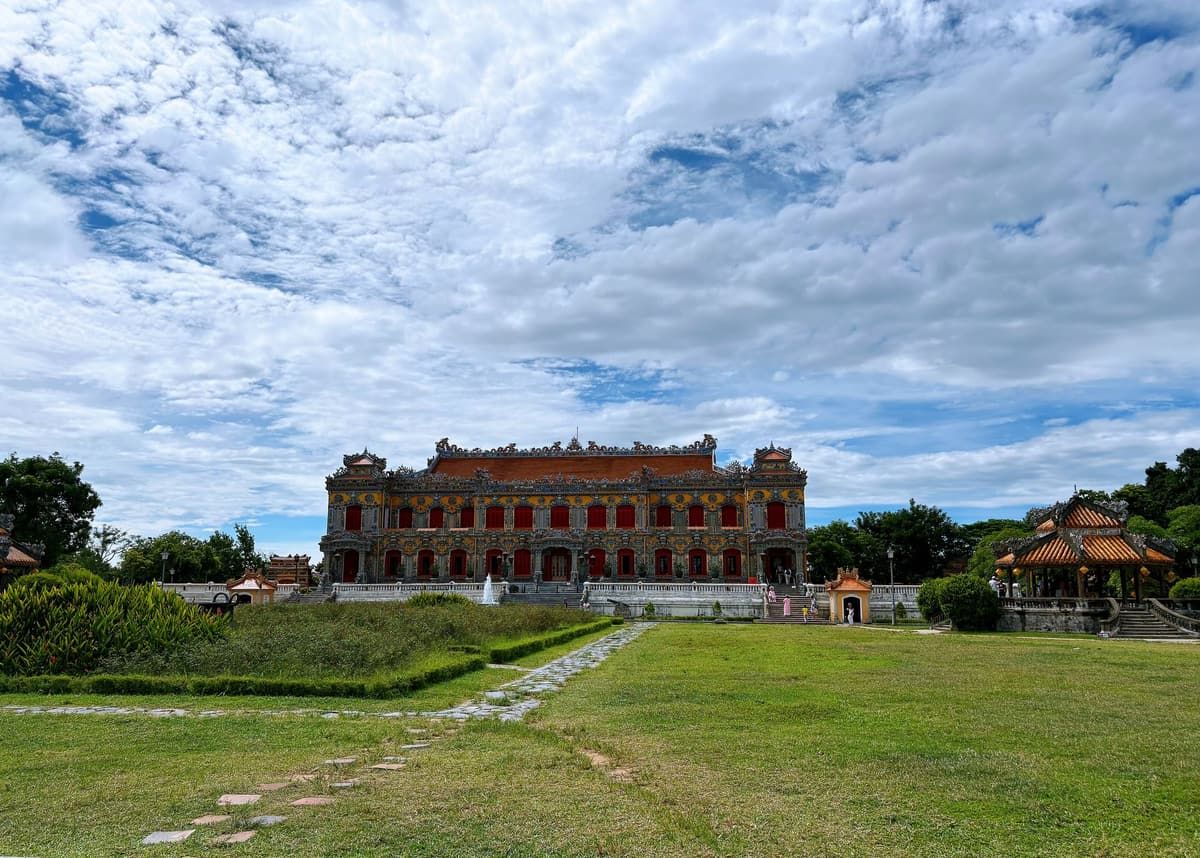
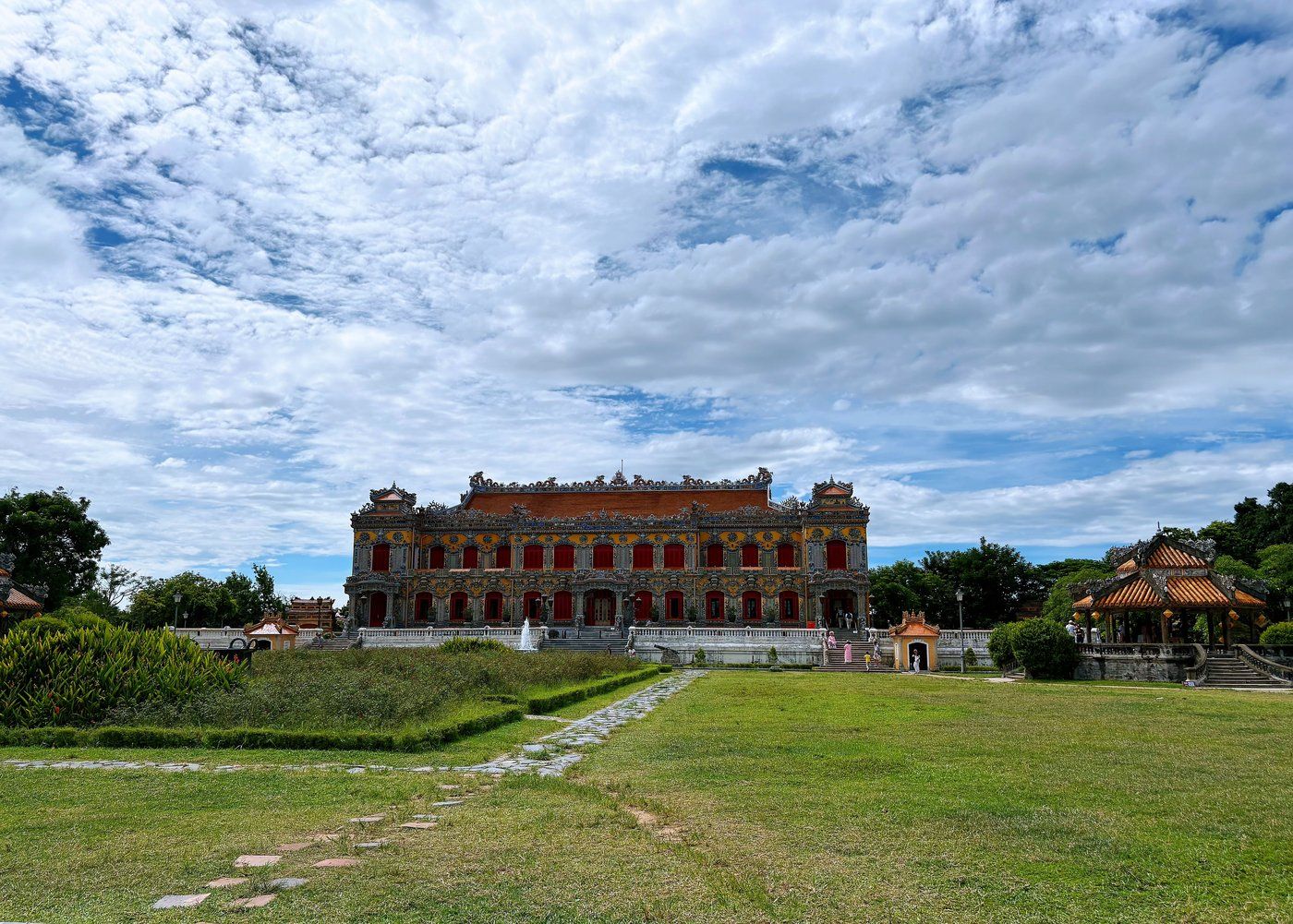
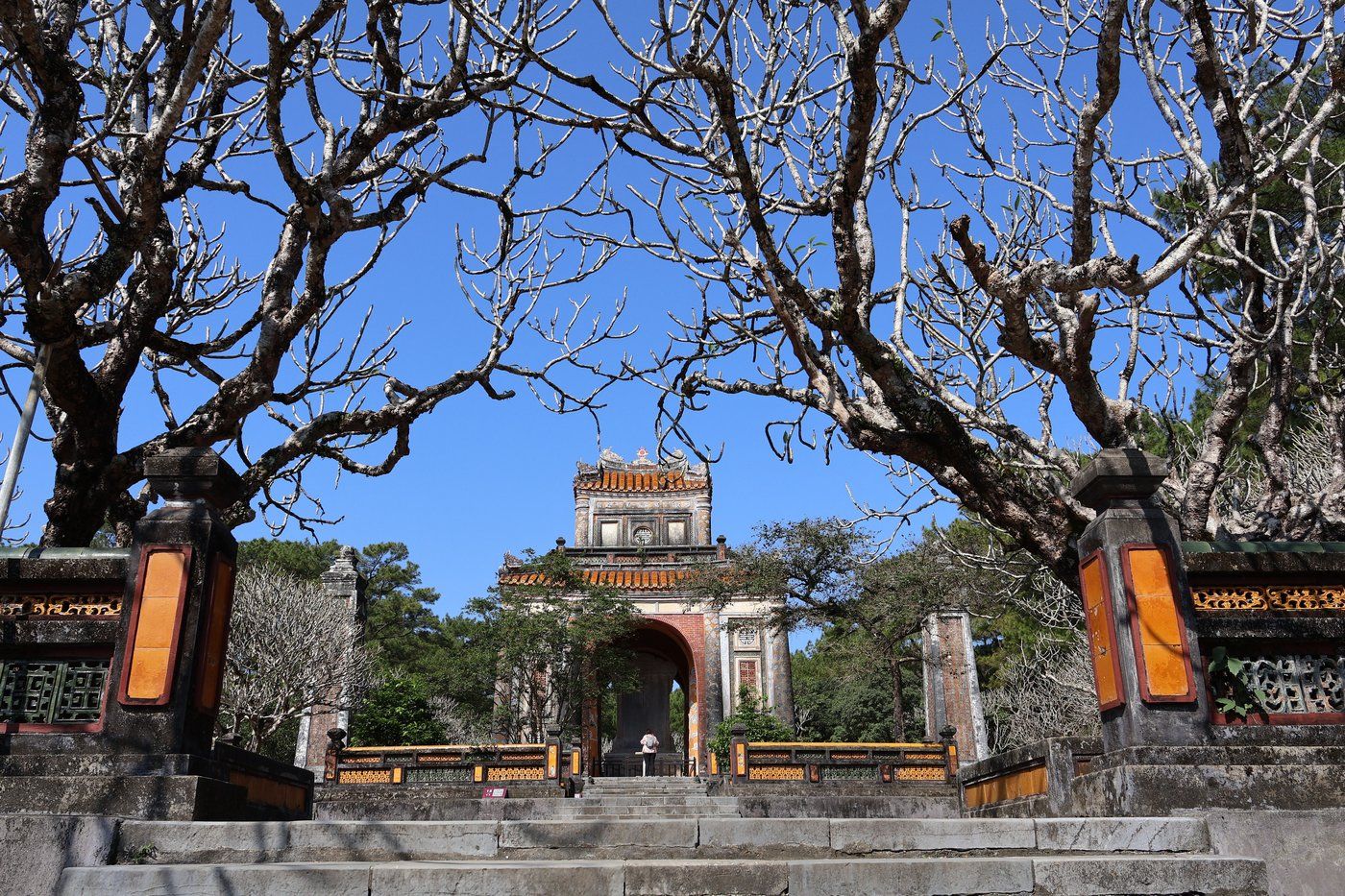
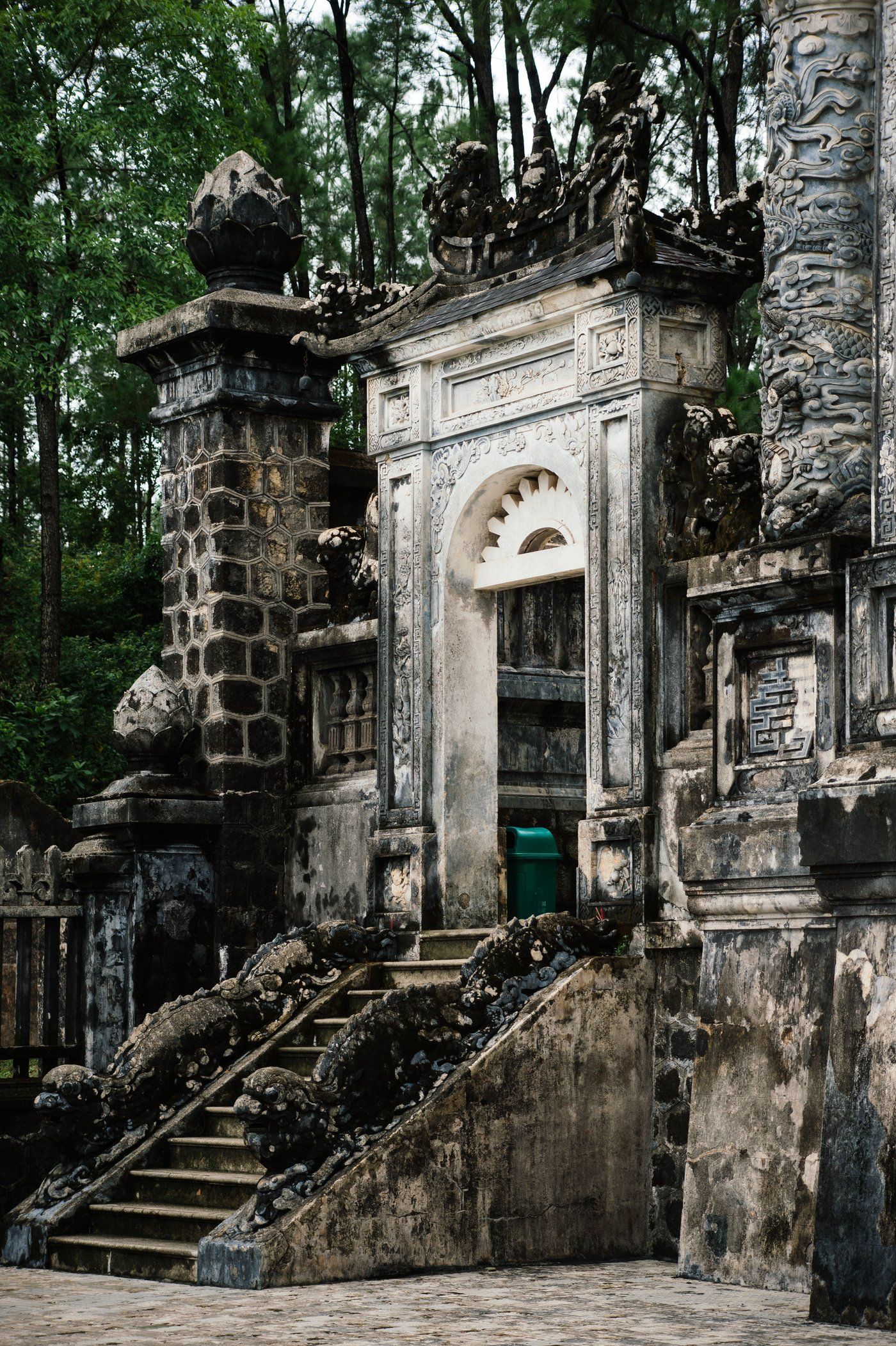
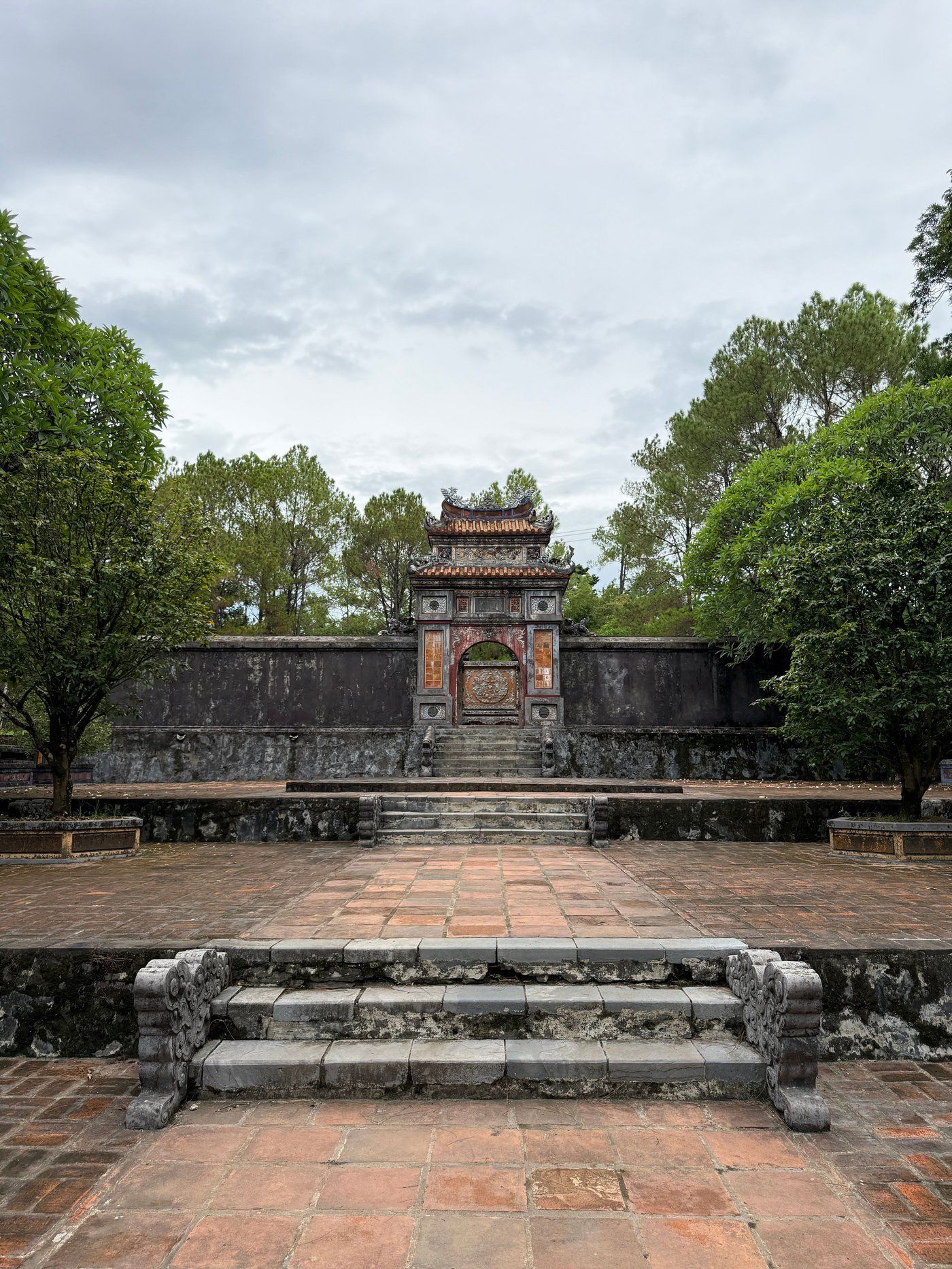
Each Nguyen emperor chose the site of his own tomb, often years before his death. The Tomb of Minh Mang lies in a symmetrical run of courtyards, lakes and pavilions along a single axis. The Tomb of Tu Duc is a park of lotus ponds and pavilions where the emperor wrote poetry in his lifetime. The Tomb of Khai Dinh, finished in 1931, is unlike the others: grey concrete outside, and inside a hall covered in mosaics of broken porcelain and glass.
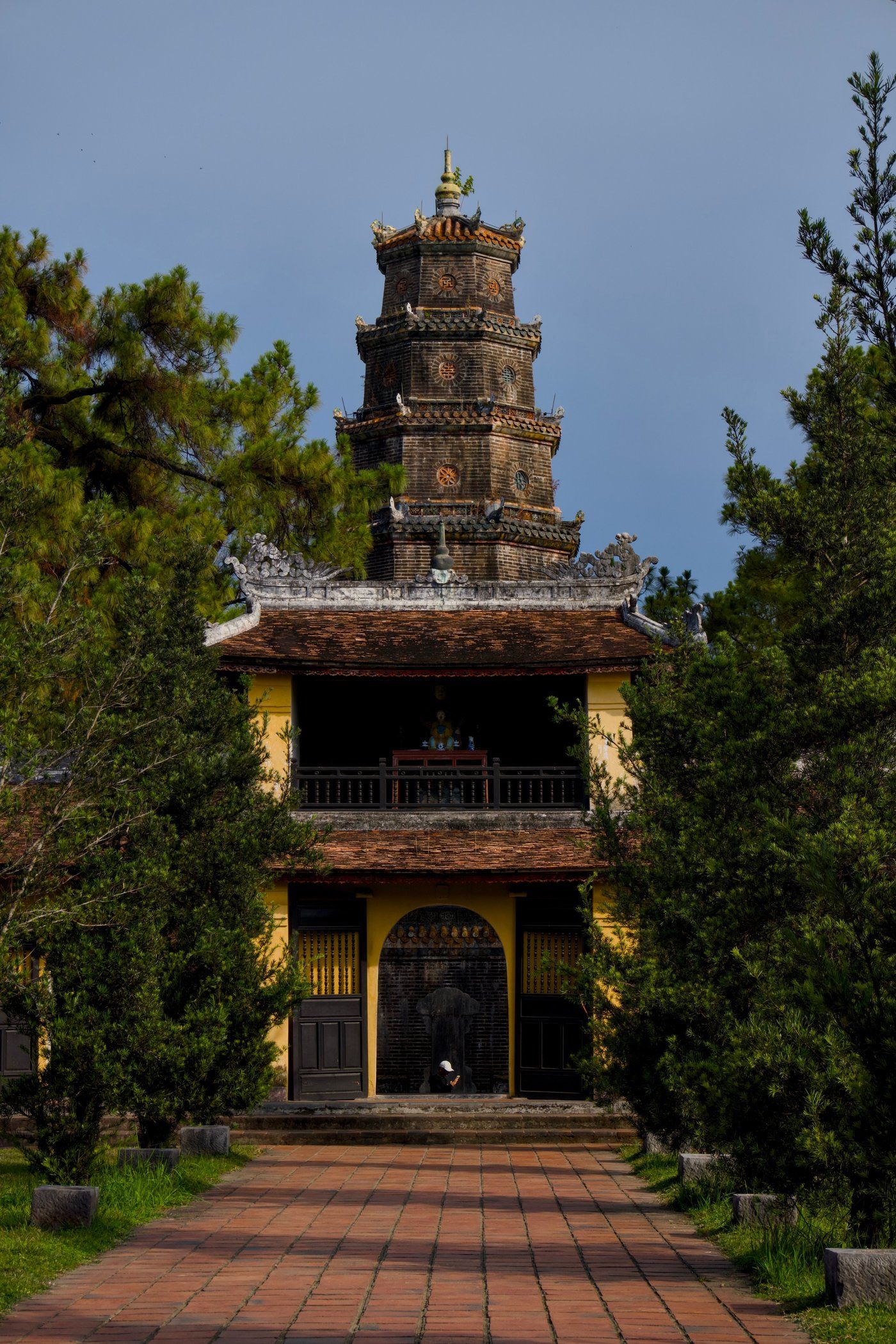
On a hill above the river, Thien Mu Pagoda was founded in 1601, and its seven-storey tower is the city’s emblem. It also keeps the Austin car that drove the monk Thich Quang Duc to Saigon in 1963, where he burned himself in protest against the persecution of Buddhists.
Music and crafts
Hue’s court music, nha nhac, played at royal ceremonies for centuries, was listed by UNESCO in 2003 and is still performed in the Imperial City. In the evening, singers perform ca Hue, the city’s gentler folk songs, on boats on the Perfume River.
The conical hats of Hue hide verses or pictures between their layers of palm leaf, visible only when held up to the light. The village of Thanh Tien makes paper flowers for the altars at Tet.
Food
The court left Hue a cuisine of many small, carefully presented dishes: banh beo, steamed rice cakes in little saucers; banh khoai, crisp pancakes; and the spicy, lemongrass-scented bun bo Hue. Because of its many monasteries, Hue also has a long tradition of Buddhist vegetarian cooking.
How long to stay
Two or three days covers the citadel, a few tombs and a boat on the river. February to April is mild and mostly dry. Hue is one of the wettest cities in the country from September to December, when the river floods. The airport is about 15 kilometres from the city.
Top attractions
Food
Hue Food Guide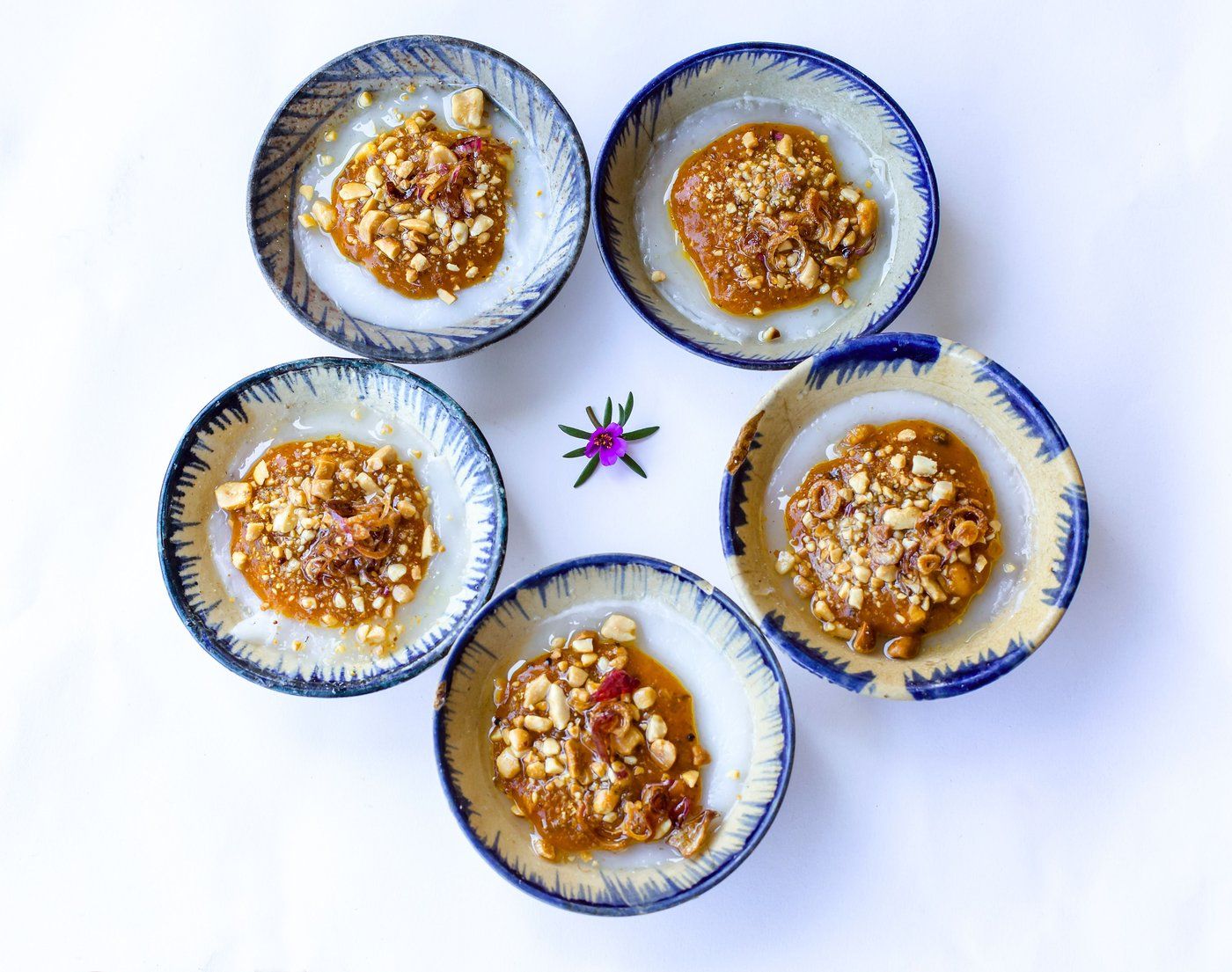
Stories
Stories about Hue are on the way.
Best time to visit
The usual best months are February – April.
Best months for every destinationGetting there
The nearest airport with scheduled flights is Phu Bai (HUI).
All destinations by airport