Festivals
Vietnamese New Year Traditions: A Guide to Tết Customs
Vietnamese New Year traditions explained: Tết preparations, lucky money, the first visitor, flowers, greetings and food, and how customs vary by region.
Ancestor worship in Vietnam: the family altar, death anniversaries and tomb visits, and where a traveller sees the custom today.
In most Vietnamese homes, the highest and most honoured place in the house is not a sofa or a television but the ancestors’ altar. It holds photographs or name tablets of the dead, an incense bowl, a vase of flowers, a plate of fruit and often a small cup of rice wine or tea. Every morning or on set days someone lights incense and speaks to the ancestors, telling them about a new job, an exam or a journey. The dead are treated as members of the family who still need to be fed, informed and consulted. This is the core of ancestor worship in Vietnam, and it is kept in families of many faiths.
The most important date for each ancestor is not the birthday but the gio, the anniversary of the death, counted on the lunar calendar. On that day relatives gather at the house of the eldest son or at the clan house, cook the dishes the dead person liked, set them on the altar, and eat together once the incense has burned down. A large family may hold several of these meals a year, and they are one of the main reasons people travel home.
Offerings are not only food. Families burn joss paper, gold and silver paper money, and paper models of clothes, houses, motorbikes and now phones, so that the ancestors have what they need in the other world.
In the third lunar month, around the Thanh Minh day, families go out to the family tombs, often in the rice fields, to clean the graves, repaint names and leave offerings. In the countryside of the north and centre you will see tombs standing among the paddies, close to the land the family still farms.
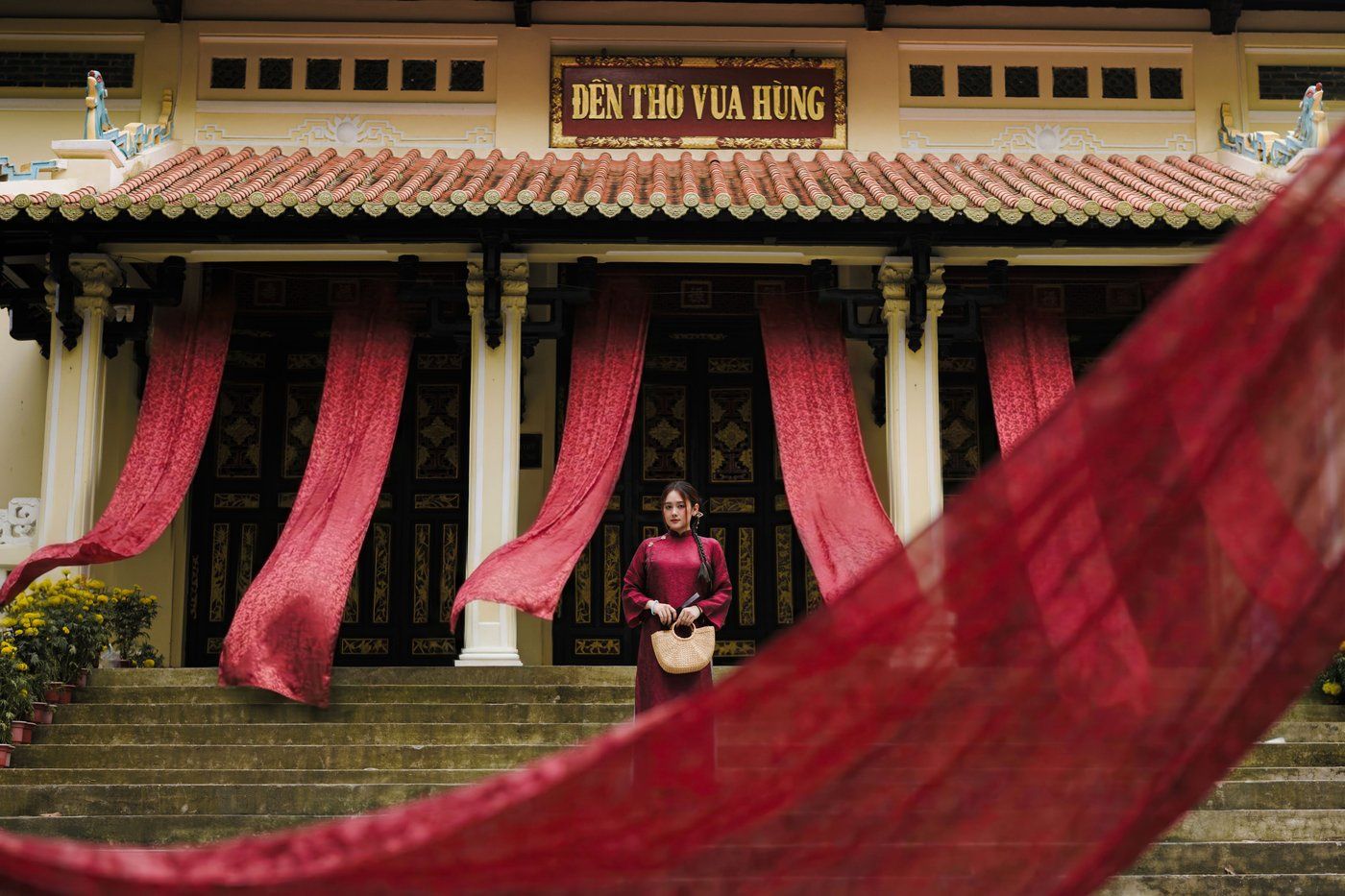
Ancestor worship in Vietnam also runs up to the country as a whole. The Hung Kings, the legendary founders, are honoured as the ancestors of all Vietnamese, and their death anniversary is a public holiday with rites at the Hung Temple in Phu Tho. See Hung Kings Festival.
You will see altars in shops, restaurants and hotel lobbies, usually with a small shrine to the God of Wealth and the Earth God on the floor beside it. At Tet, families invite the ancestors home on the last afternoon of the old year and see them off a few days later. If you are invited to a family meal on an anniversary, it is polite to light a stick of incense at the altar before eating. The festivals listed on this page are where ancestor worship in Vietnam is most visible.
Festivals
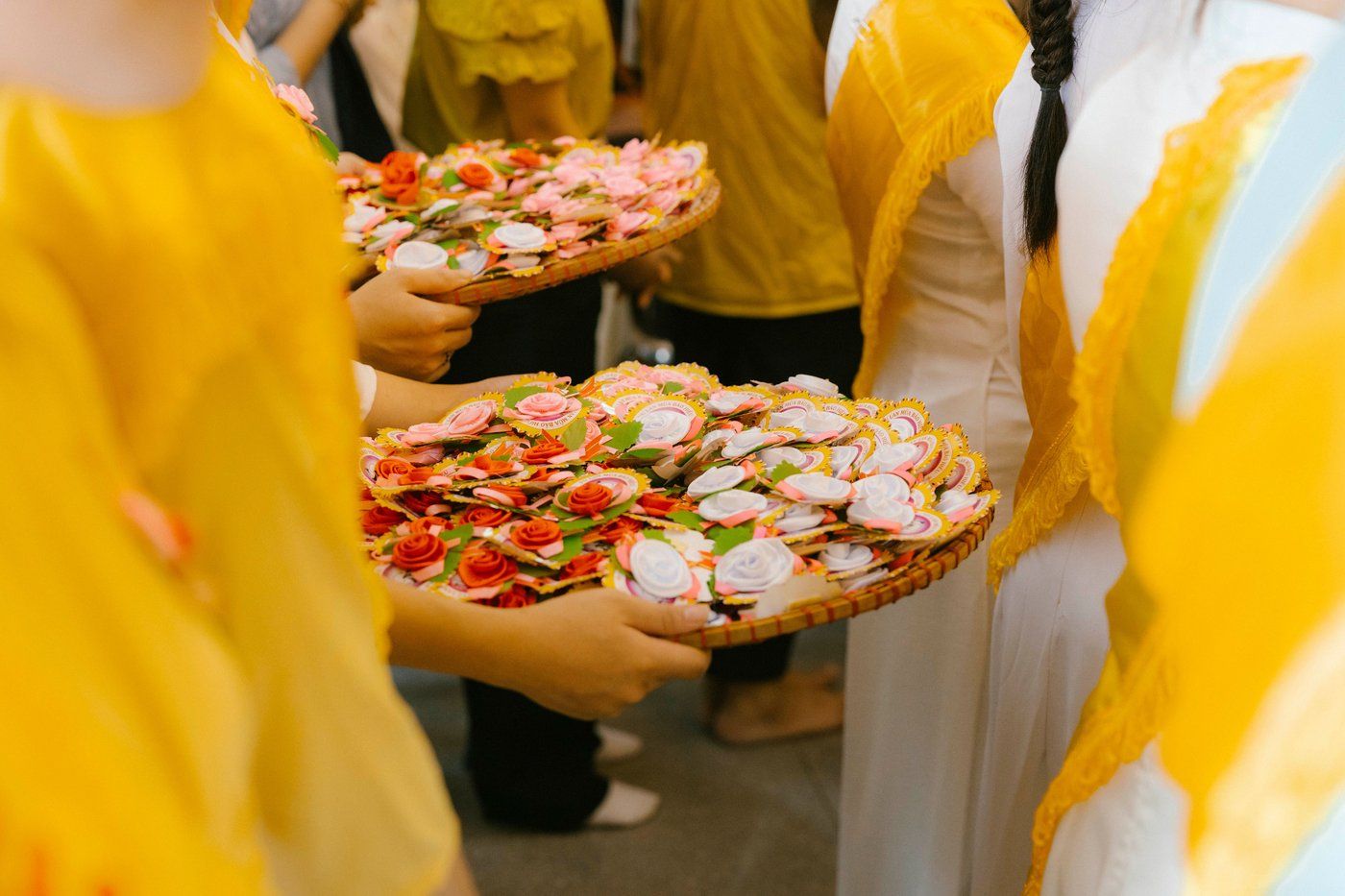
Vietnamese New Year traditions explained: Tết preparations, lucky money, the first visitor, flowers, greetings and food, and how customs vary by region.
Northern Vietnam - Food
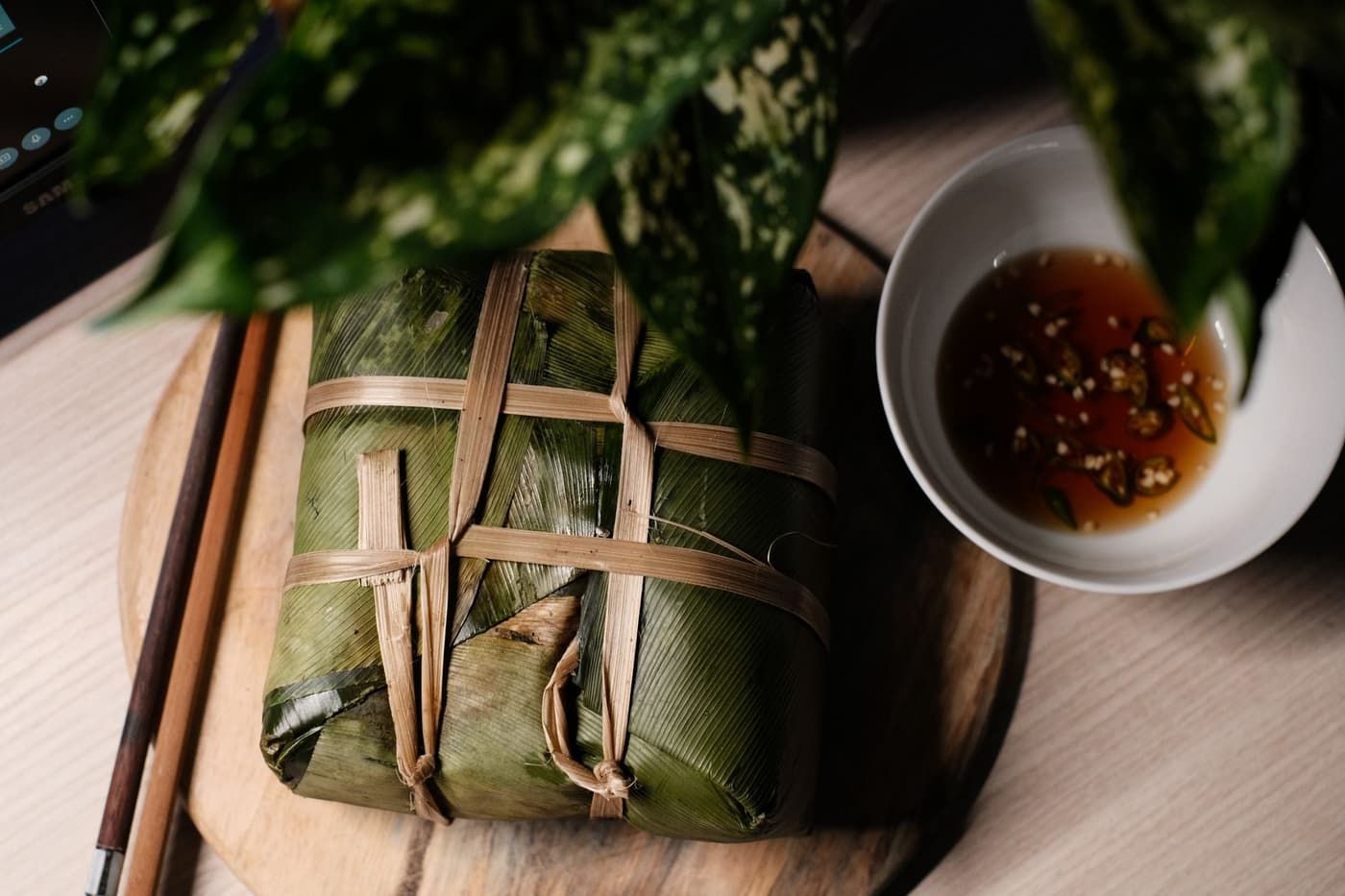
Banh chung, the square chung cake of Tết: its legend, ingredients, the long boil, craft villages near Hanoi and how it compares with southern bánh tét.
Festivals
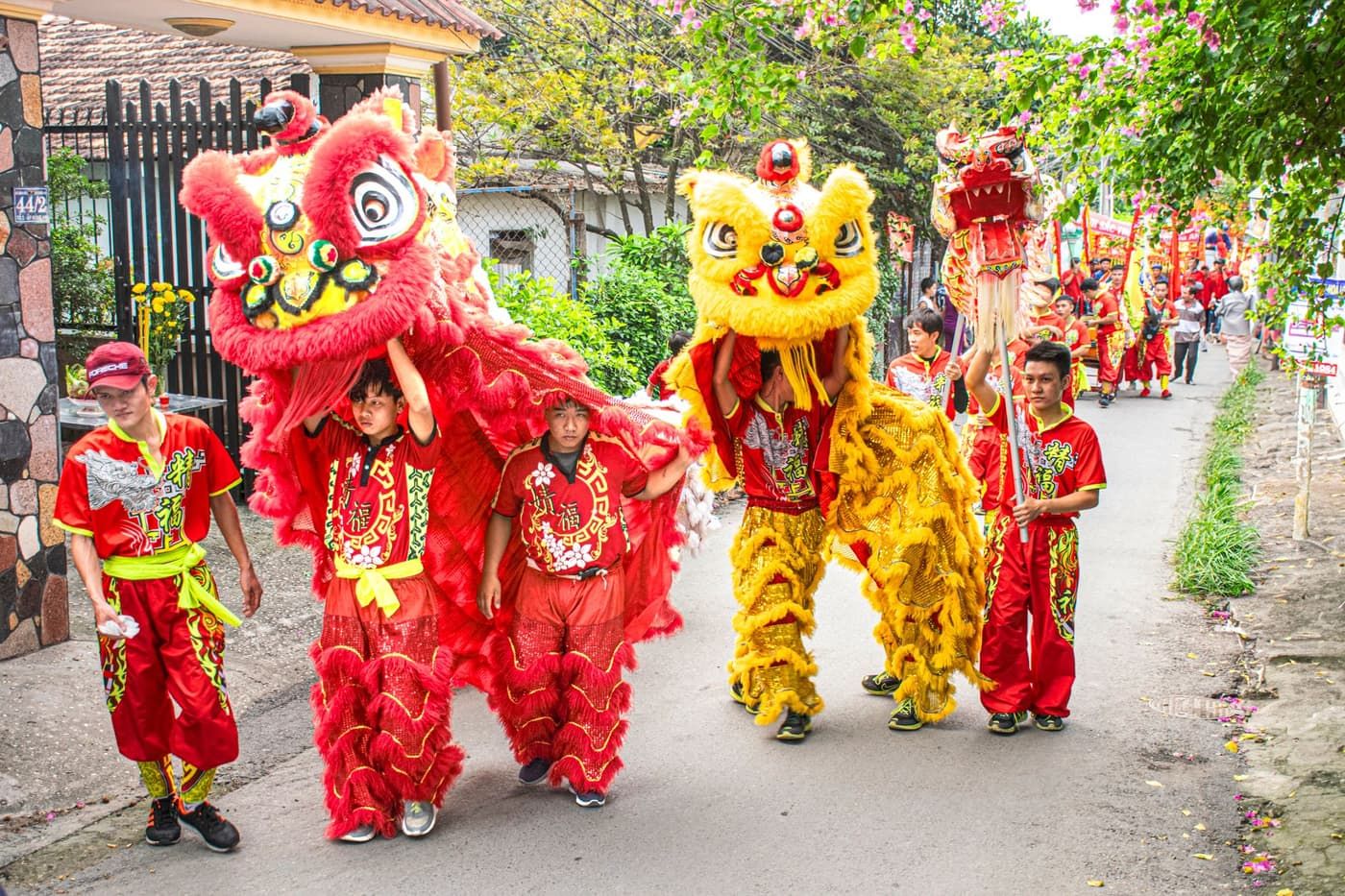
A guide to Tết in Vietnam: when the Lunar New Year falls, how families prepare, first-visitor customs, lucky money, blossoms, greetings and bánh tét.