Sapa
Northwest Mountains - Northern Vietnam
- Province
- Lao Cai
- Nearest airport
- Noi Bai (HAN)
- Best time to visit
- September – November
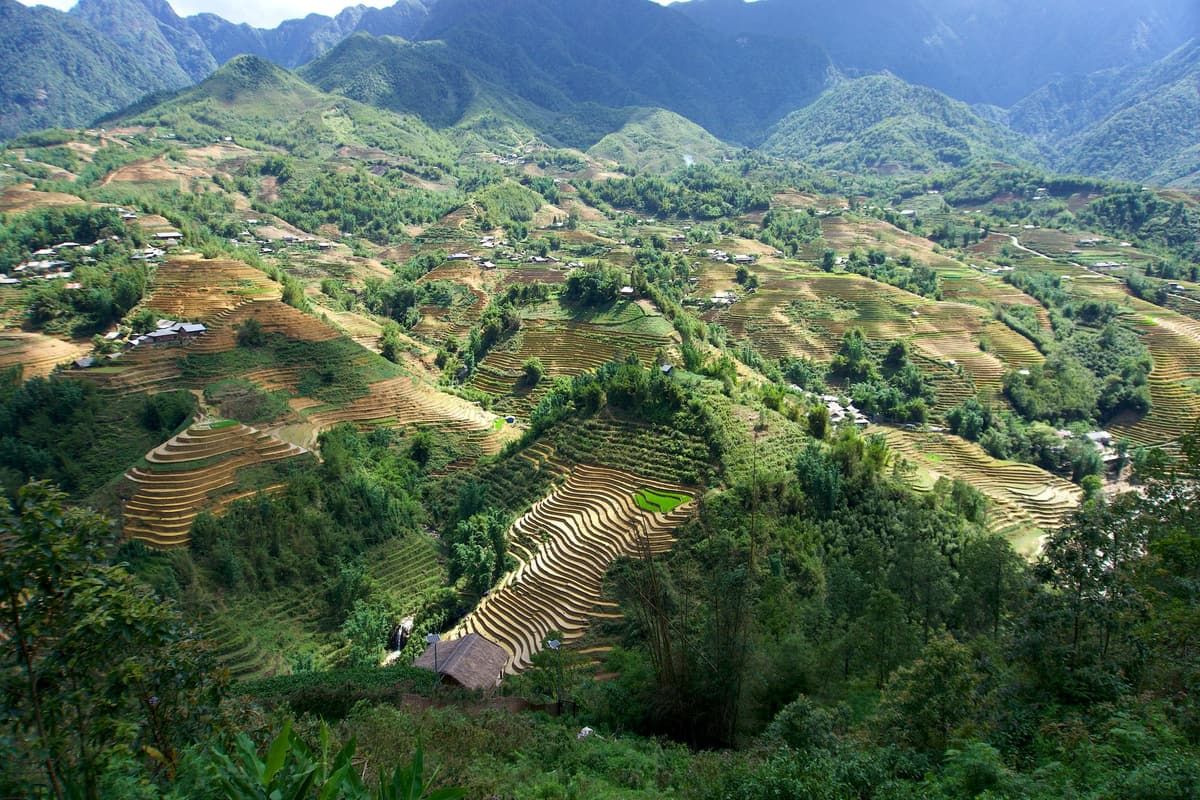
Sapa (Sa Pa in Vietnamese) sits at about 1,500 metres in the Hoang Lien Son mountains, close to the Chinese border. The French built it as a hill station in the early 20th century, a cool escape from the heat of the delta, and a few stone villas and the old church in the town square remain from that time. But the reason to come is not the town. It is the valleys below it, carved into rice terraces over generations, and the people who farm them.
The peoples of the valleys
Most people around Sapa are not Kinh, the majority Vietnamese, but belong to the country’s ethnic minorities. The Black Hmong, named for their indigo-dyed hemp clothes, are the largest group. The Red Dao wear red embroidered headscarves and still use their own script for ritual books. Tay and Giay villages lie lower in the valleys, beside the streams.
Much of what you see is daily work, not a show: women dyeing cloth in indigo vats, hemp being split and twisted into thread, embroidery done on doorsteps between jobs in the fields. Many families now open their homes as homestays, and a night in a village such as Ta Van or Lao Chai is the best way to understand how people live here.
Rice terraces and trails
The terraces of the Muong Hoa Valley change with the year. They are filled with water and mirror the sky in May, turn bright green through the summer, and go gold at harvest in September and early October. Trails link the villages along the valley floor; local guides, often Hmong women, walk them every day and know which paths are passable after rain.
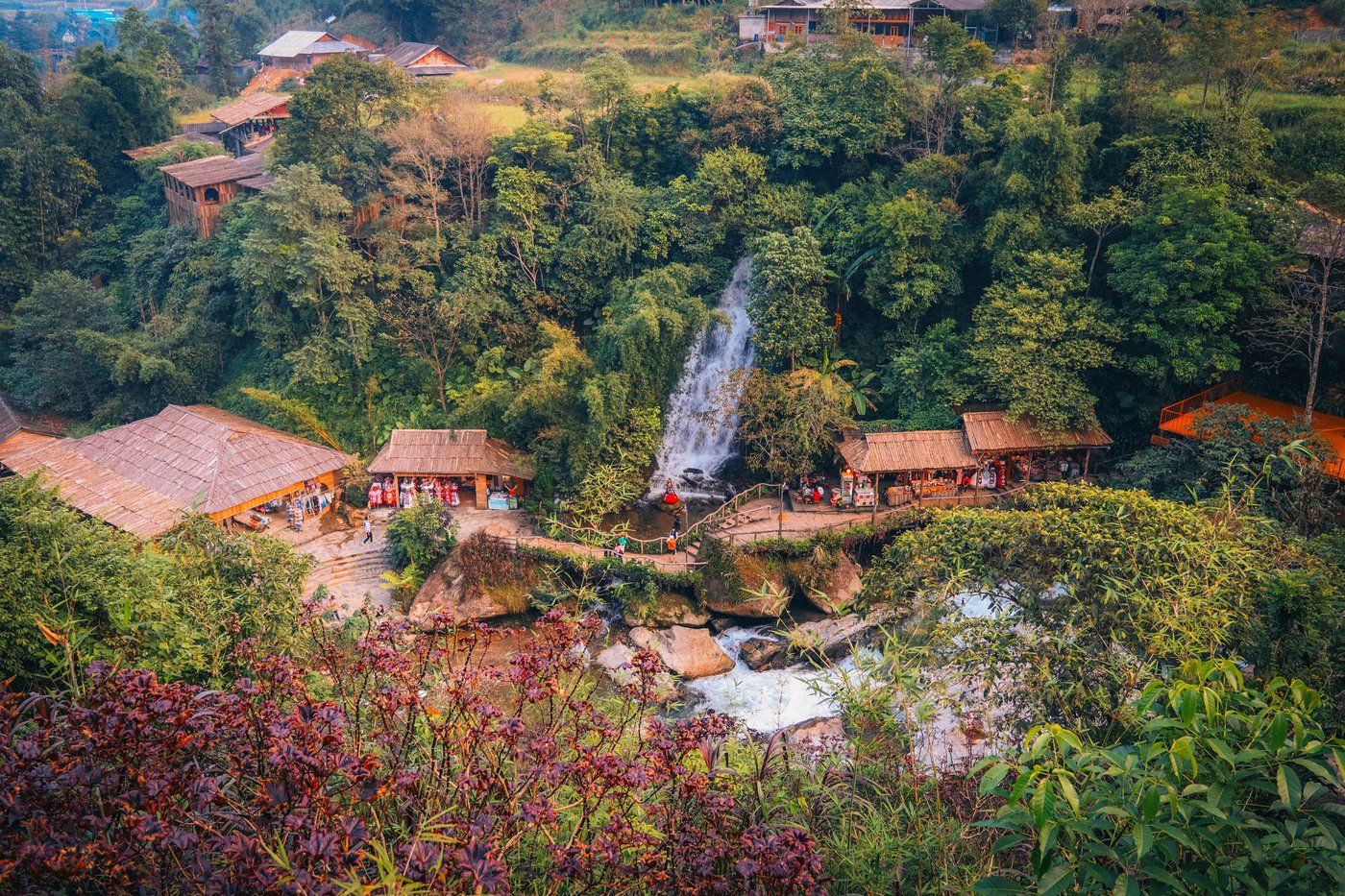
Cat Cat, a Black Hmong village below the town, is the easiest walk, though it is now busy with visitors. Further out, the walking gets quieter.
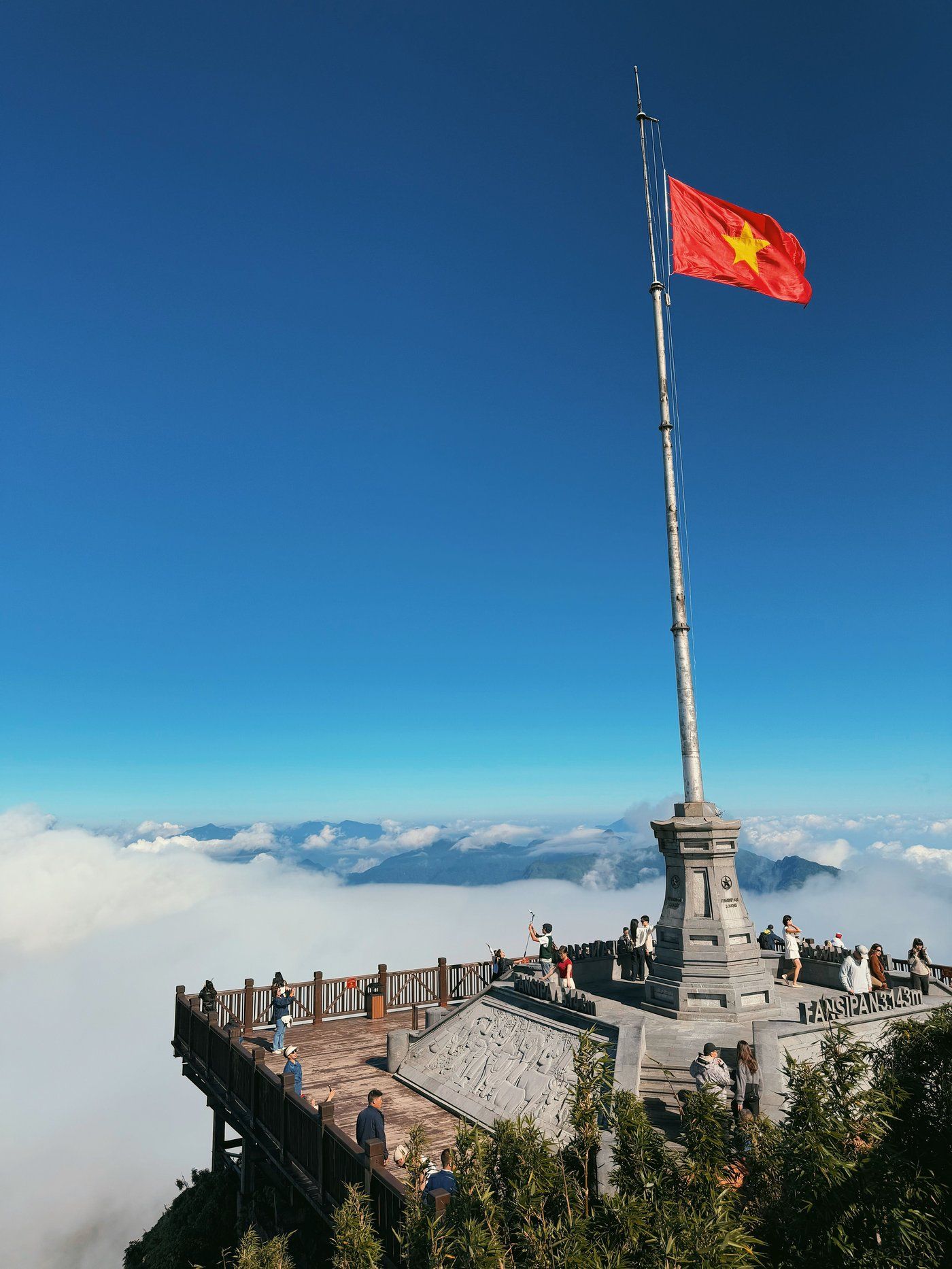
Above the town rises Fansipan, at 3,143 metres the highest mountain in Indochina. A cable car reaches the summit in about twenty minutes; the climb on foot takes one or two days.
Markets
The weekly markets of the region are where villages trade livestock, cloth, herbs and rice wine. The largest is the Sunday market at Bac Ha, a few hours’ drive away, where Flower Hmong women come in their brightest clothes.
How long to stay
Two or three days allows a trek with a night in a homestay. September to November brings clear skies and the harvest; winter is cold, sometimes with frost on the peaks. Sapa is reached from Hanoi by bus on the expressway in about six hours, or by night train to Lao Cai and an hour’s drive up the mountain.
Top attractions
Food
Sapa Food Guide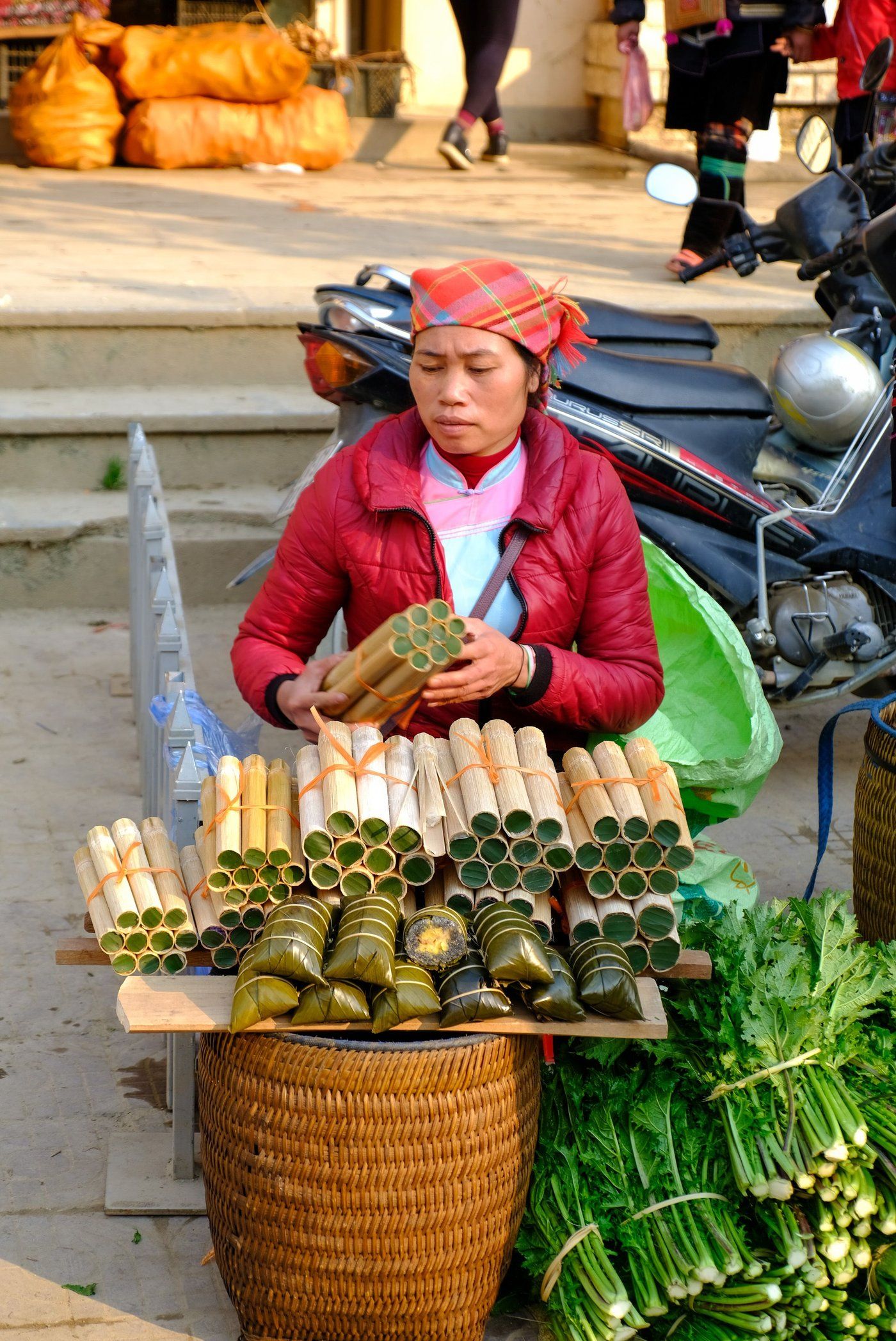
Festivals here
Stories
Stories about Sapa are on the way.
Best time to visit
The usual best months are September – November.
Best months for every destinationGetting there
The nearest airport with scheduled flights is Noi Bai (HAN).
All destinations by airport