Hanoi
Red River Delta - Northern Vietnam
- Province
- Ha Noi
- Nearest airport
- Noi Bai (HAN)
- Best time to visit
- October – December
Hanoi has been the seat of Vietnamese power, on and off, since 1010, when Emperor Ly Thai To moved his court here and named it Thang Long, “Ascending Dragon”. It took the name Hà Nội, “inside the rivers”, in 1831. The city still feels like a place built in layers: royal temples beside French villas, a socialist mausoleum a short walk from Confucian altars, and motorbikes threading through all of it.
The Old Quarter
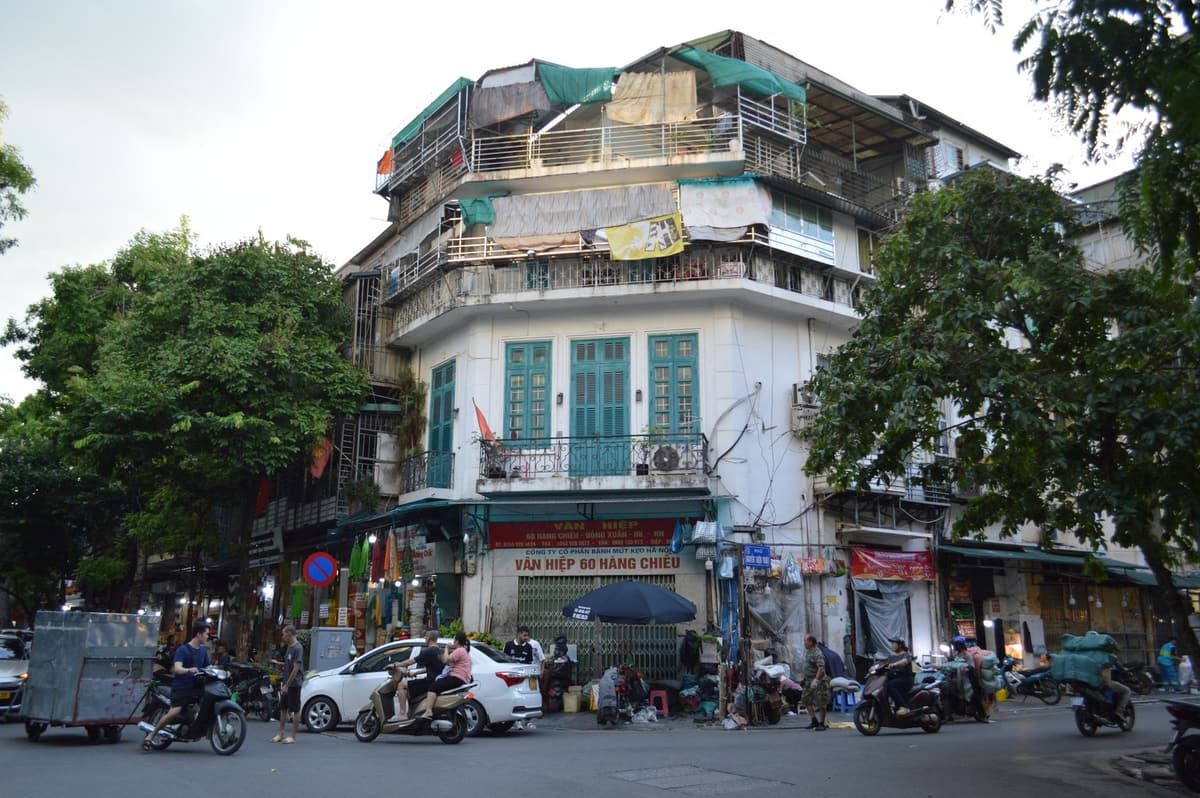
North of Hoan Kiem Lake lies the Old Quarter, a grid of narrow streets that grew up around the citadel’s markets. Each street once belonged to one trade, and many names still say which: Hang Bac for silver, Hang Thiec for tin, Hang Ma for the paper offerings burned for the dead. The tube houses are only a few metres wide and run deep from the street, so a shop front can hide a family altar, a courtyard and three generations behind it.
The quarter is at its best early in the morning, when people exercise around the lake, and in the evening, when stalls set out low plastic stools on the pavement. From Friday to Sunday evening the streets around the lake close to traffic and fill with families, street musicians and children’s games.
Temples and learning
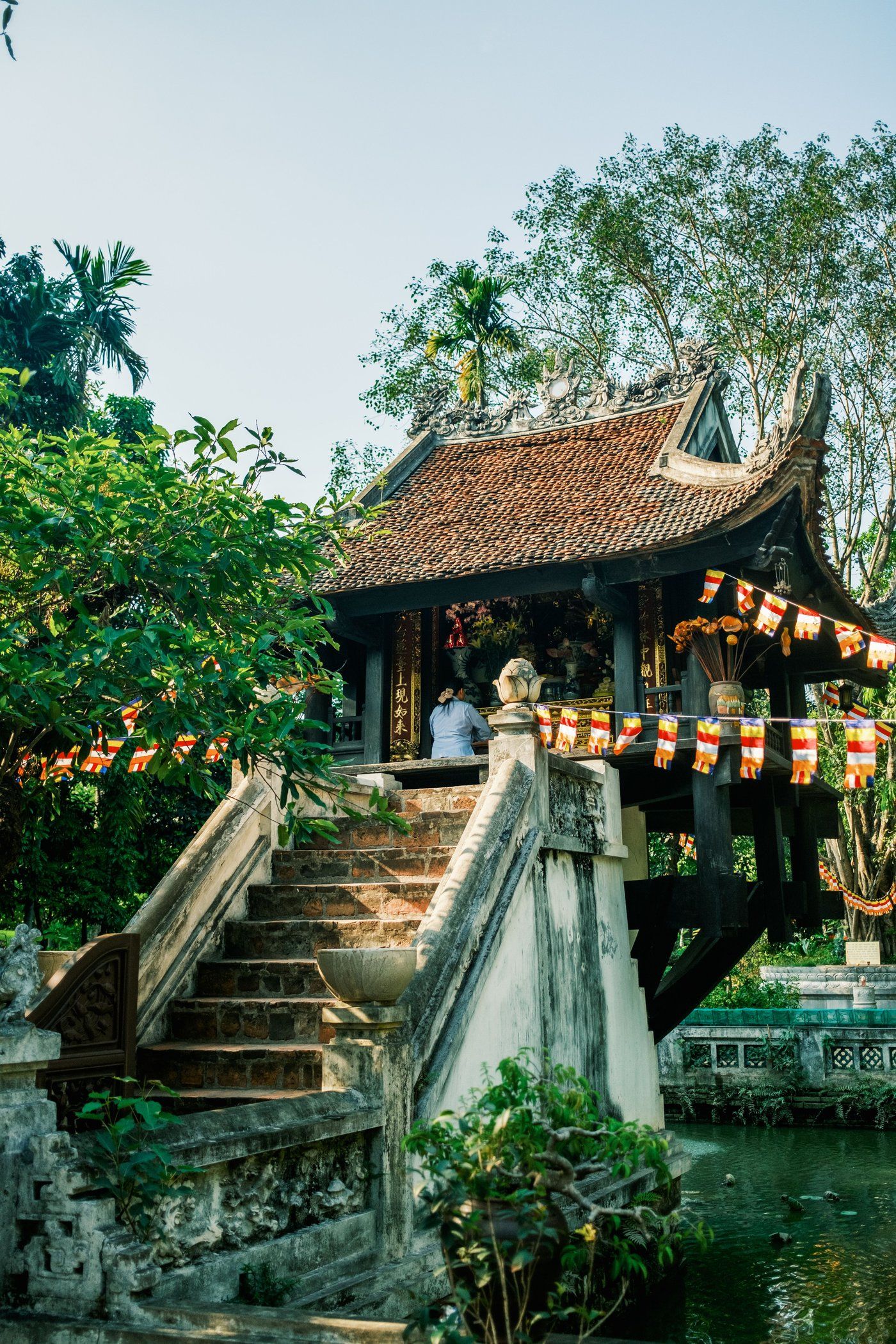
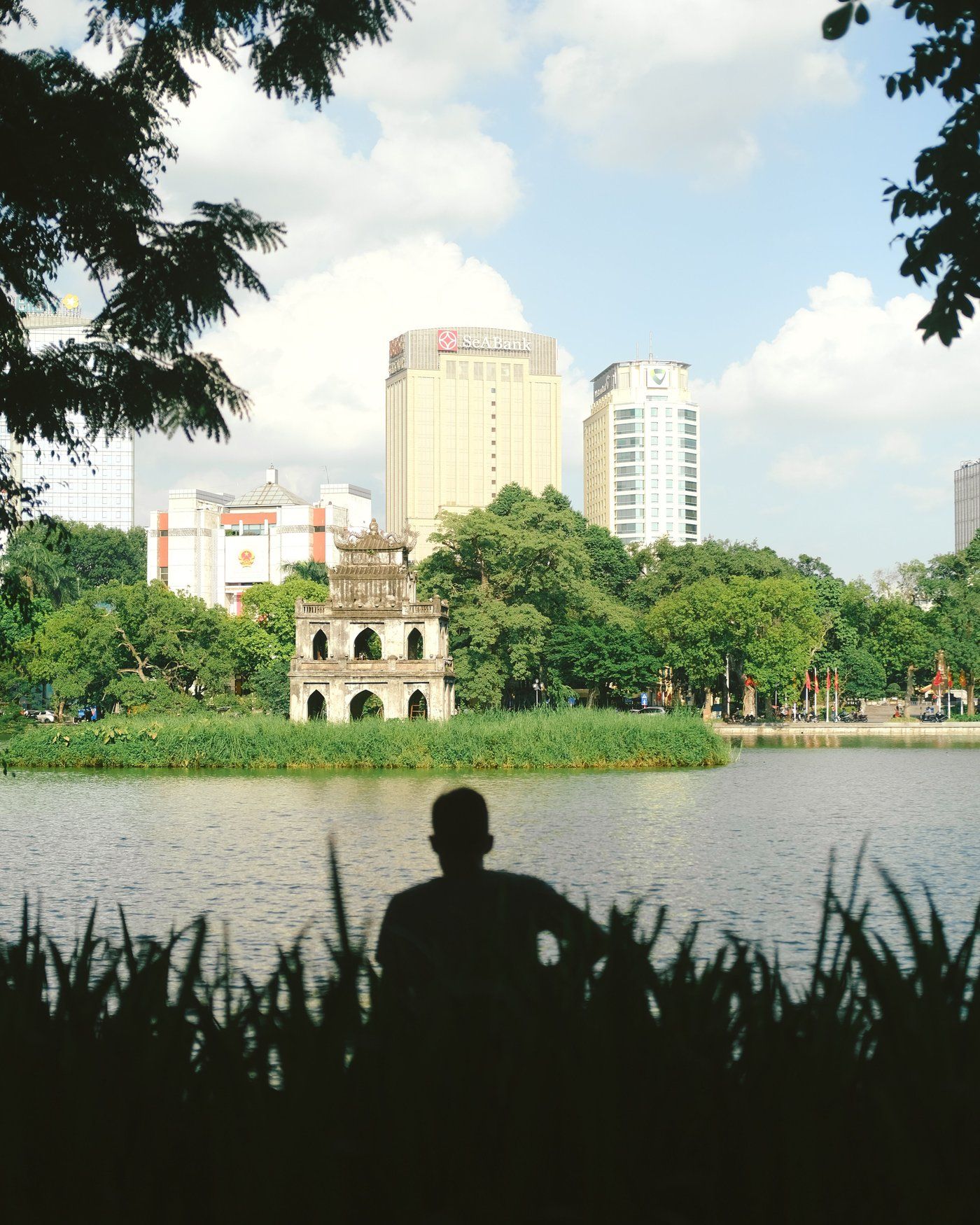
The lake itself carries Hanoi’s best-known legend: after driving out the Ming army in the 15th century, Le Loi returned his magic sword to a golden turtle that rose from the water. The red The Huc bridge leads to Ngoc Son Temple on its small island.
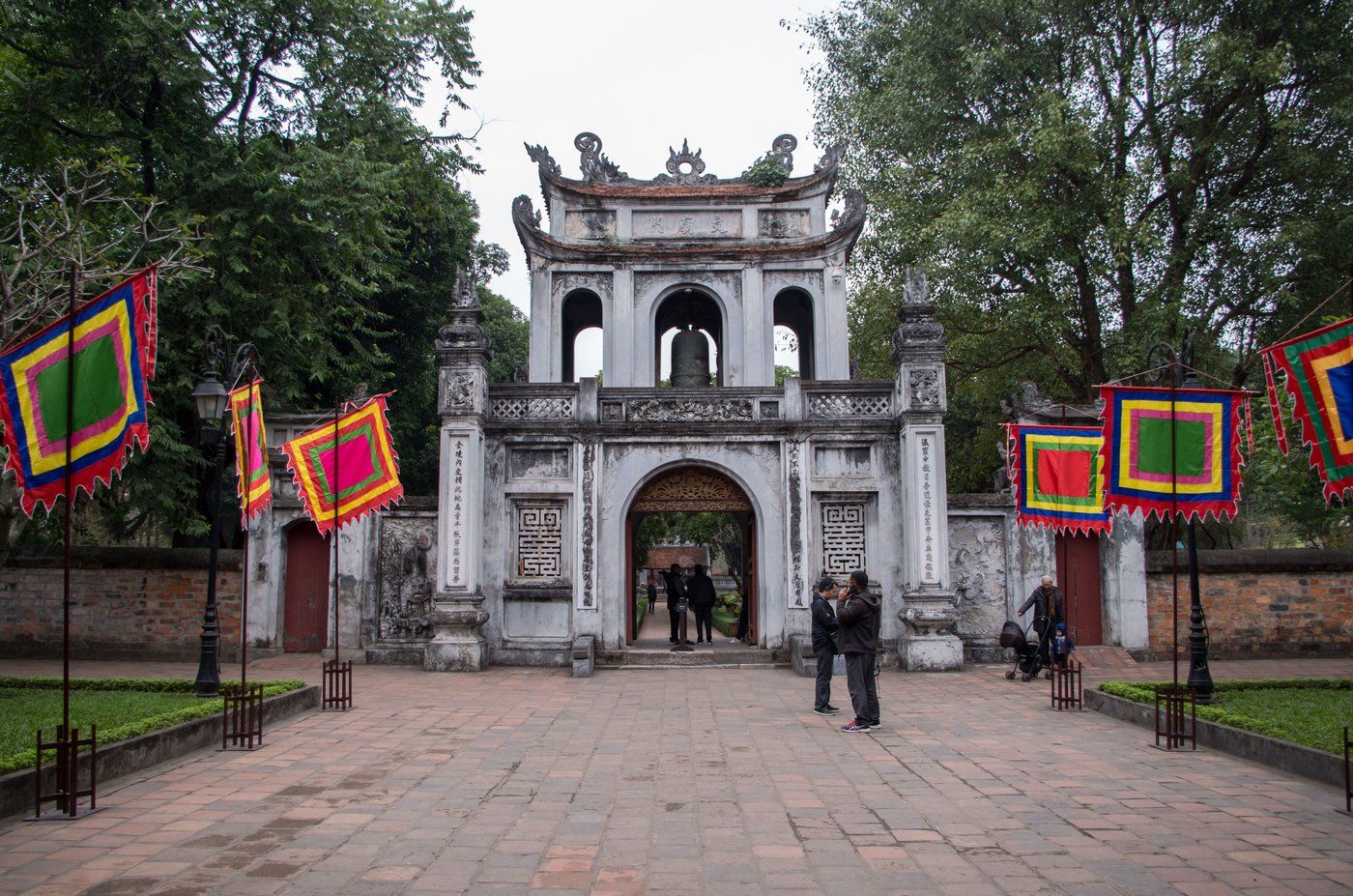
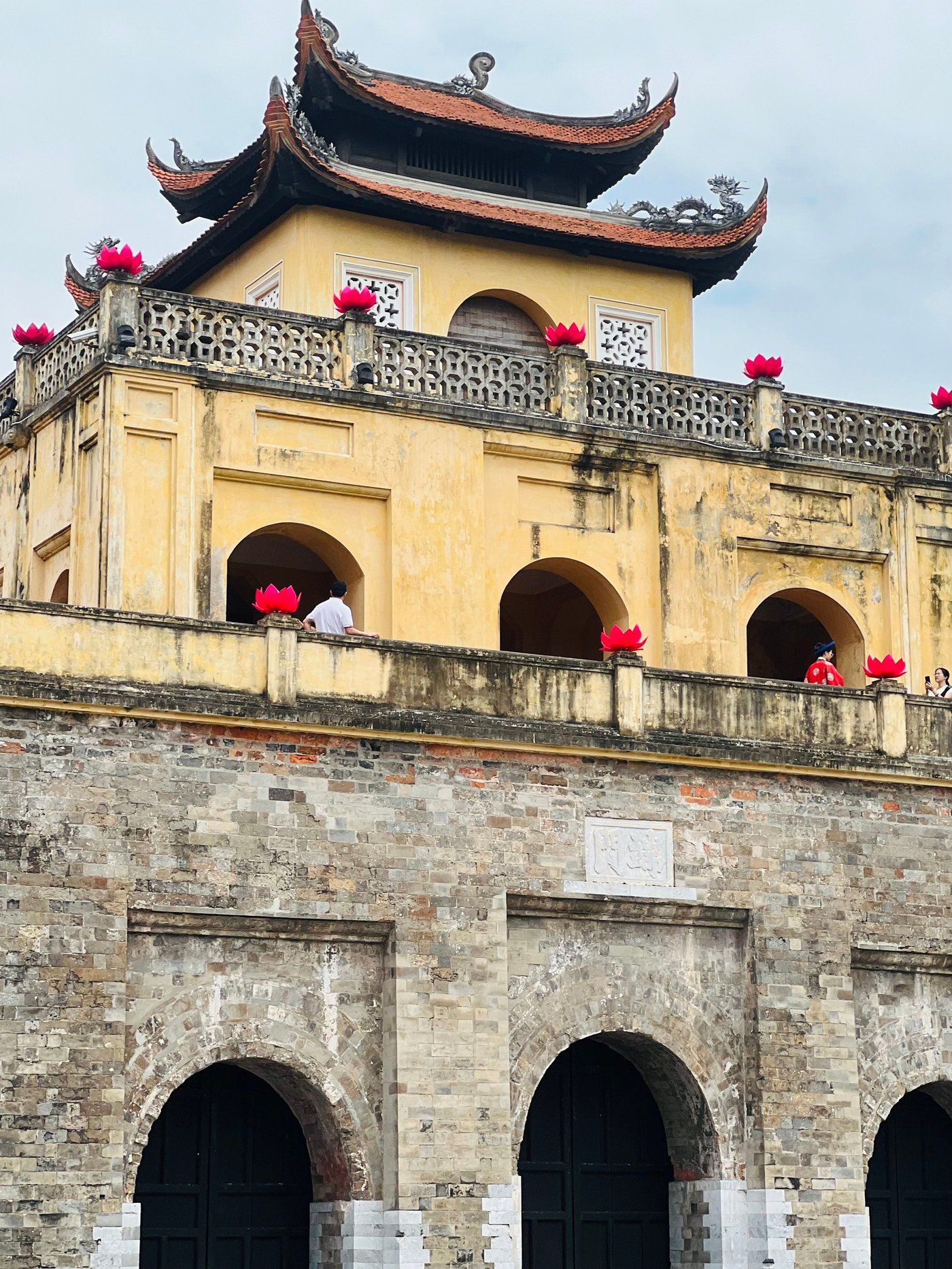
A short ride west, the Temple of Literature was founded in 1070 to honour Confucius, and became the country’s first university a few years later. Stone tablets on the backs of stone turtles list the names of those who passed the royal examinations, and students still come before their own exams to touch them for luck. Nearby, the Imperial Citadel of Thang Long shows the foundations of palaces from more than a dozen centuries.
Traditions you can still see
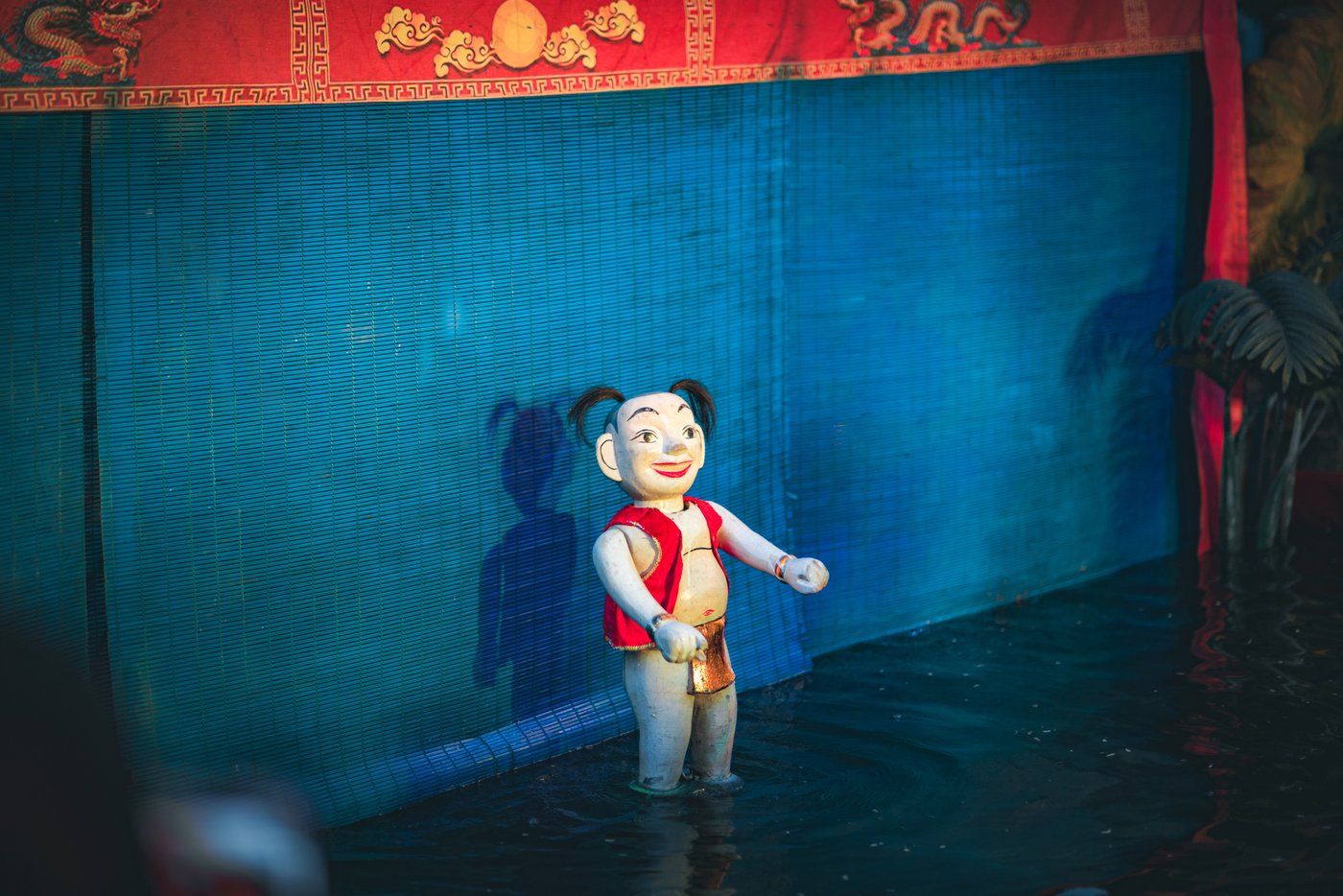
Water puppetry began in the flooded rice fields of the Red River Delta, where villagers worked lacquered figures from behind a bamboo screen; in Hanoi it plays nightly beside the lake. Before Tet, Hang Luoc becomes a flower market of peach branches and kumquat trees, and before the Mid-Autumn Festival Hang Ma glows with paper lanterns and star-shaped lights.
Craft villages lie within an hour of the centre: Bat Trang has made ceramics for more than five centuries, and Van Phuc still weaves silk on wooden looms.
How long to stay
Three or four days covers the Old Quarter, the temples and a day out to a craft village or to Ninh Binh. Autumn, from October to December, brings dry, mild days; summer is hot and humid, and January and February can be grey with drizzle. Hanoi is also where most trips to Ha Long Bay, Sapa and Ha Giang begin.
Top attractions
Food
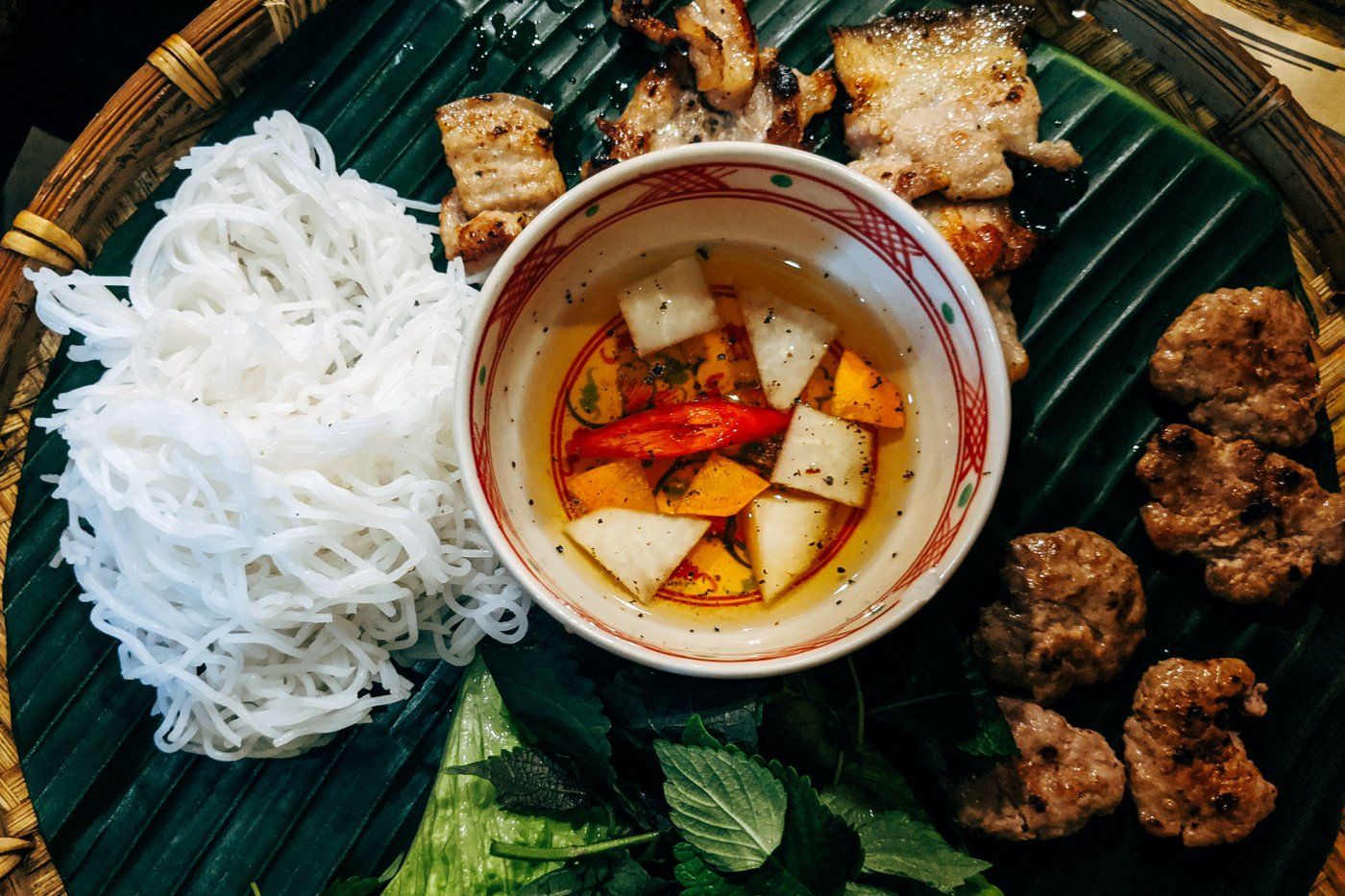
Hanoi Food Guide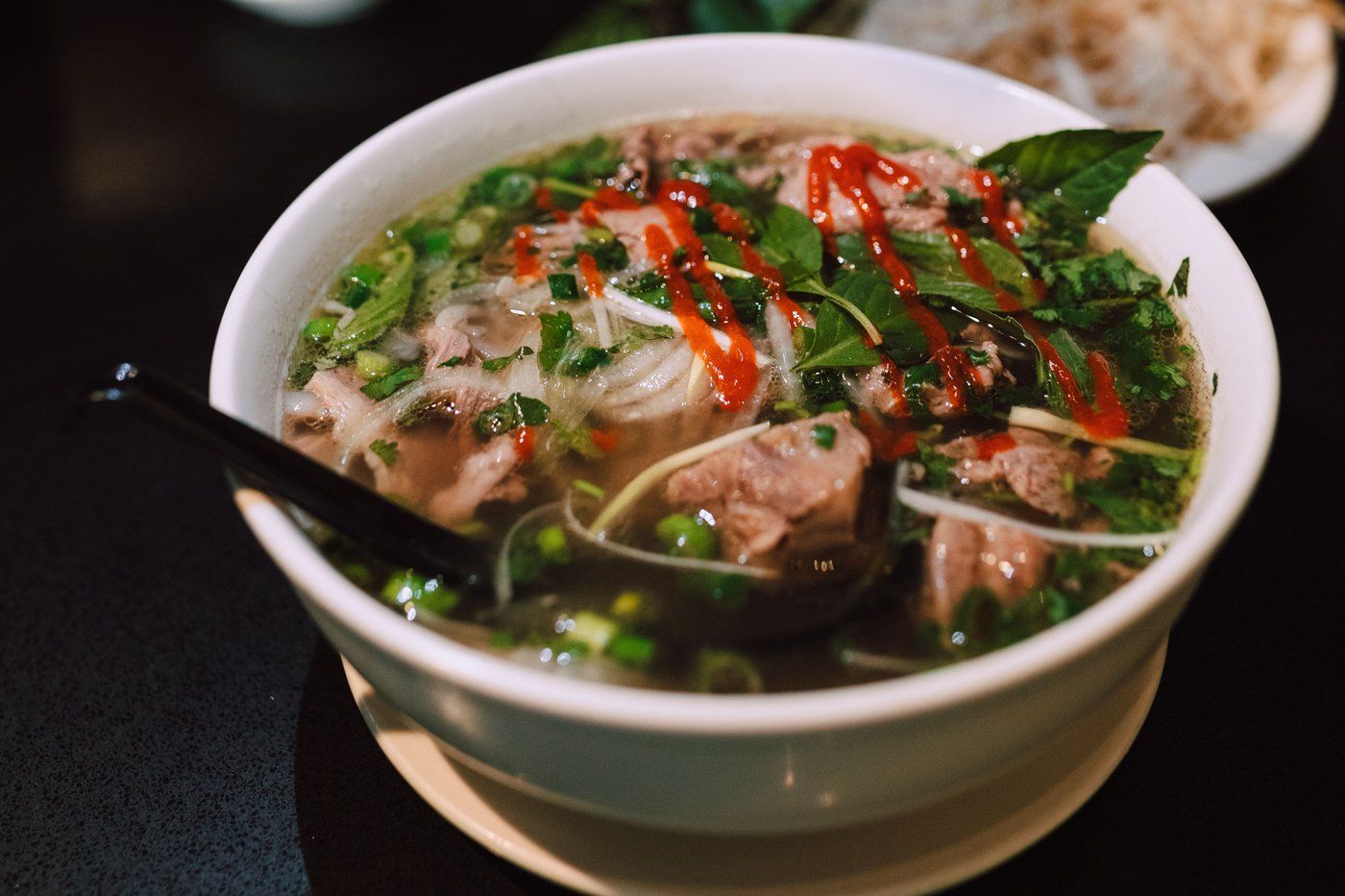
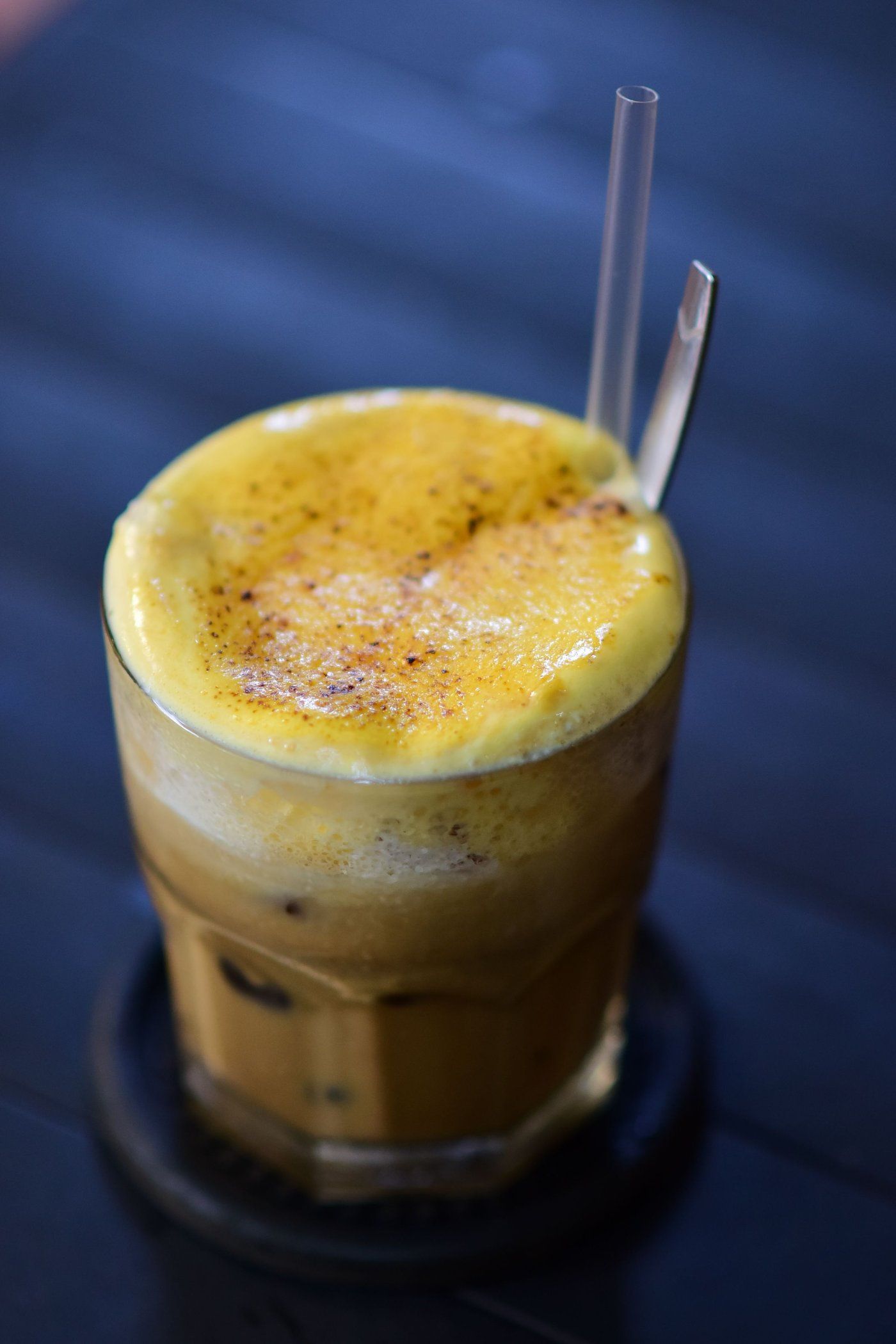
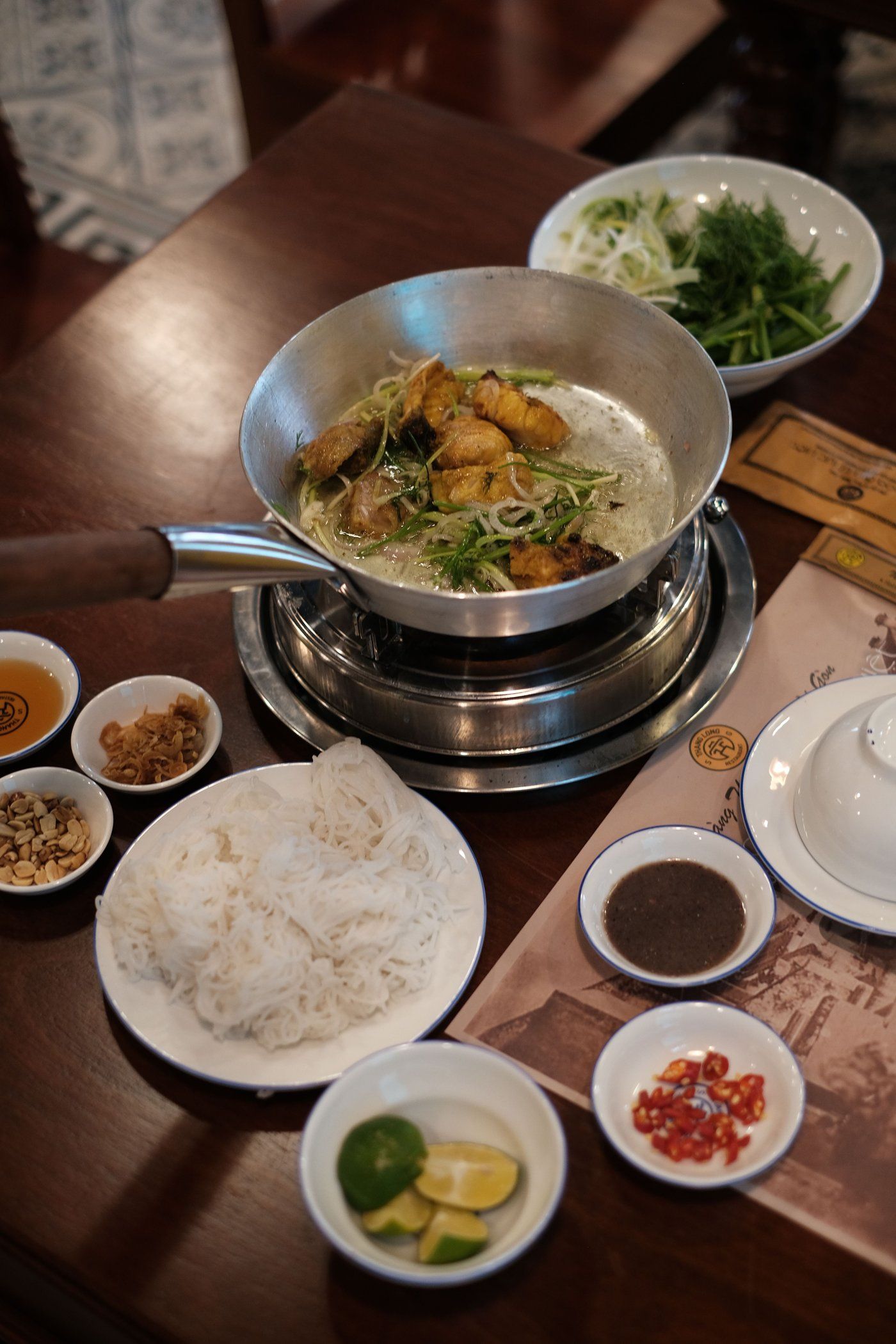
Festivals here
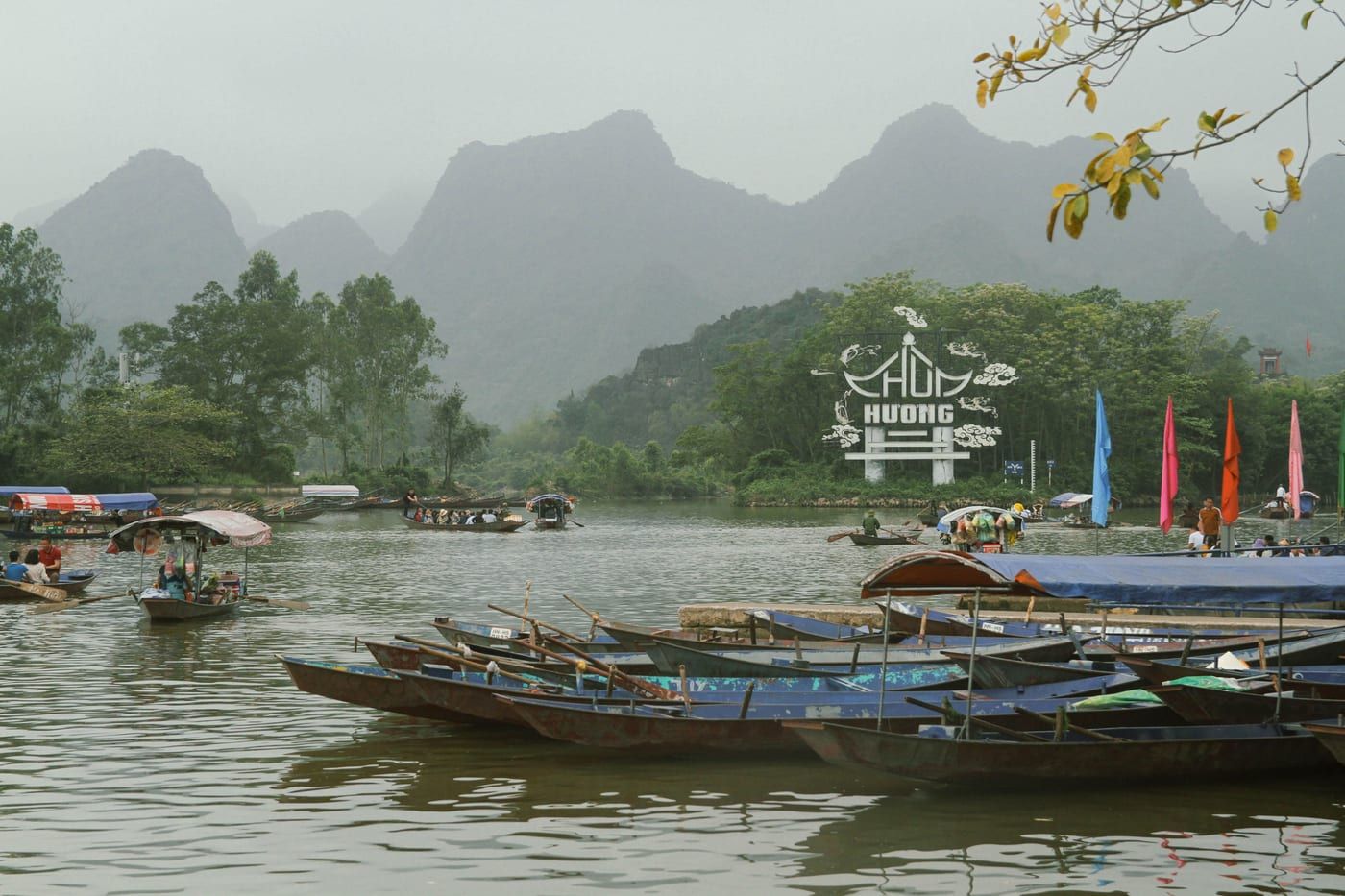
- Lunar 13/1Lim FestivalQuan ho singers answer each other across boats and courtyards in Bac Ninh.
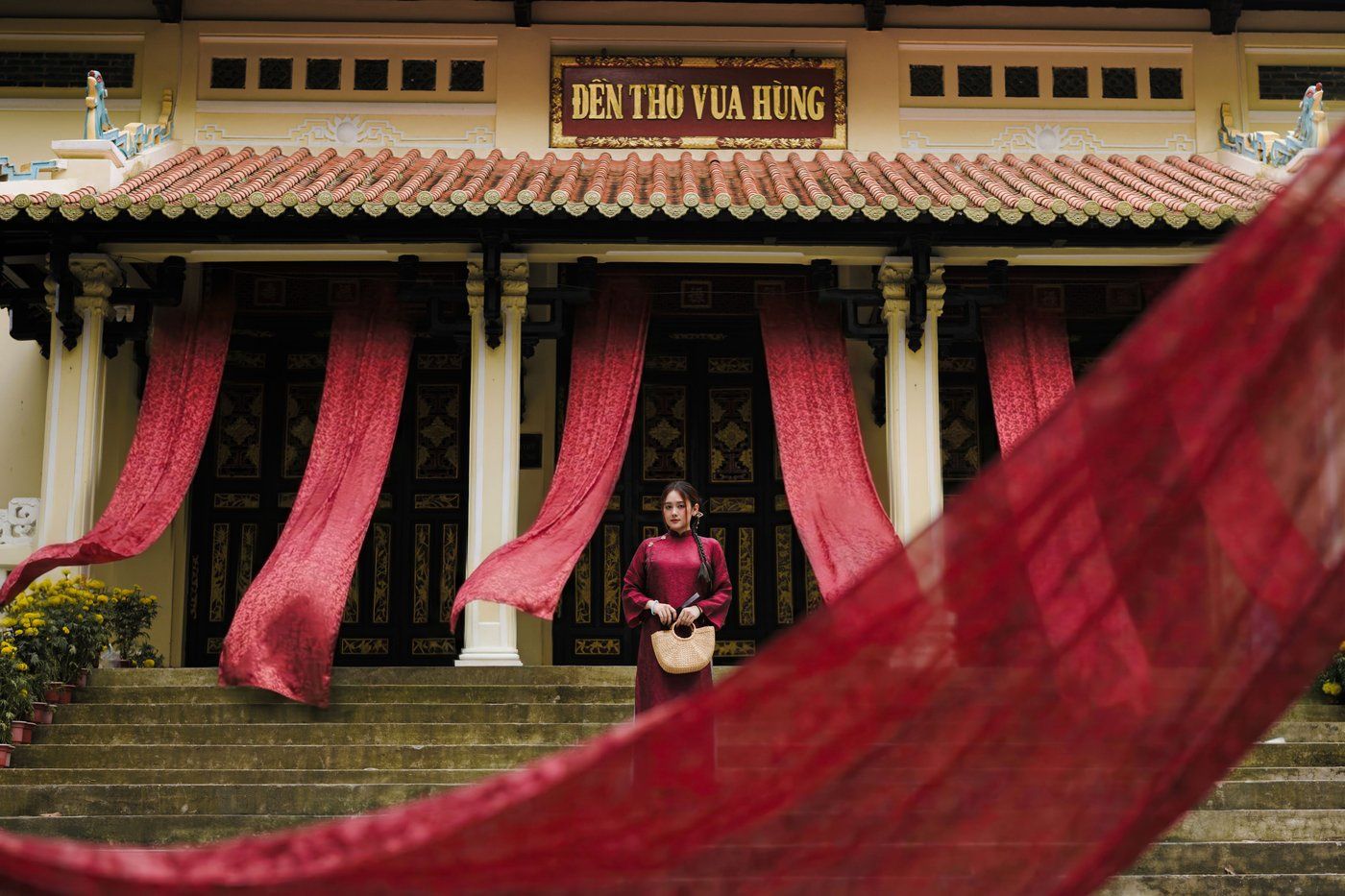
Stories
Stories about Hanoi are on the way.
Best time to visit
The usual best months are October – December.
Best months for every destinationGetting there
The nearest airport with scheduled flights is Noi Bai (HAN).
All destinations by airport