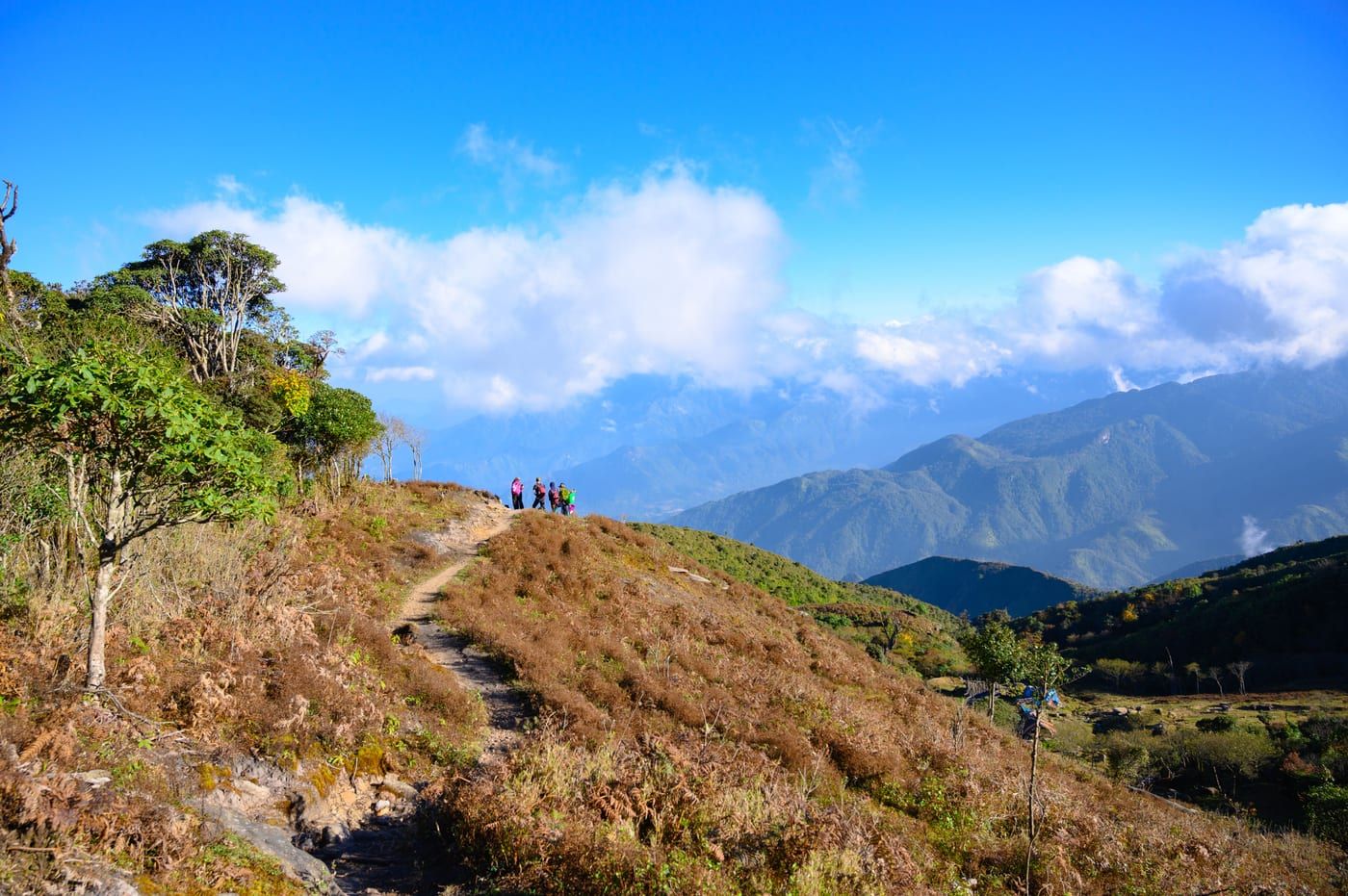
Mountains and Trekking
Trekking in Vietnam: the rice terraces of the northwest, the stone plateau of Ha Giang, Pu Luong and the high country of the centre.
Vietnam is three-quarters hills and mountains, and the high country is where most of its ethnic minorities live. Trekking in Vietnam means walking through farmland as much as wilderness: paths run between terraces, along irrigation channels and through villages where people are at work in the fields. The terrain is steep, and the villages are the reason to go.
The northwest
The Hoang Lien Son range above Sa Pa holds Fansipan, the highest peak in Indochina, and the valleys below are carved into rice terraces by Hmong, Dao and Giay farmers. Some of the best trekking in Vietnam is here: day walks follow the valleys between villages; longer treks go over passes or up Fansipan itself, which can also be reached by cable car. Further south, Mu Cang Chai is known for terraces that turn gold before the harvest, and Mai Chau and Pu Luong, lower and gentler, have Thai villages of stilt houses among paddies and forest.
The northeast and the stone plateau
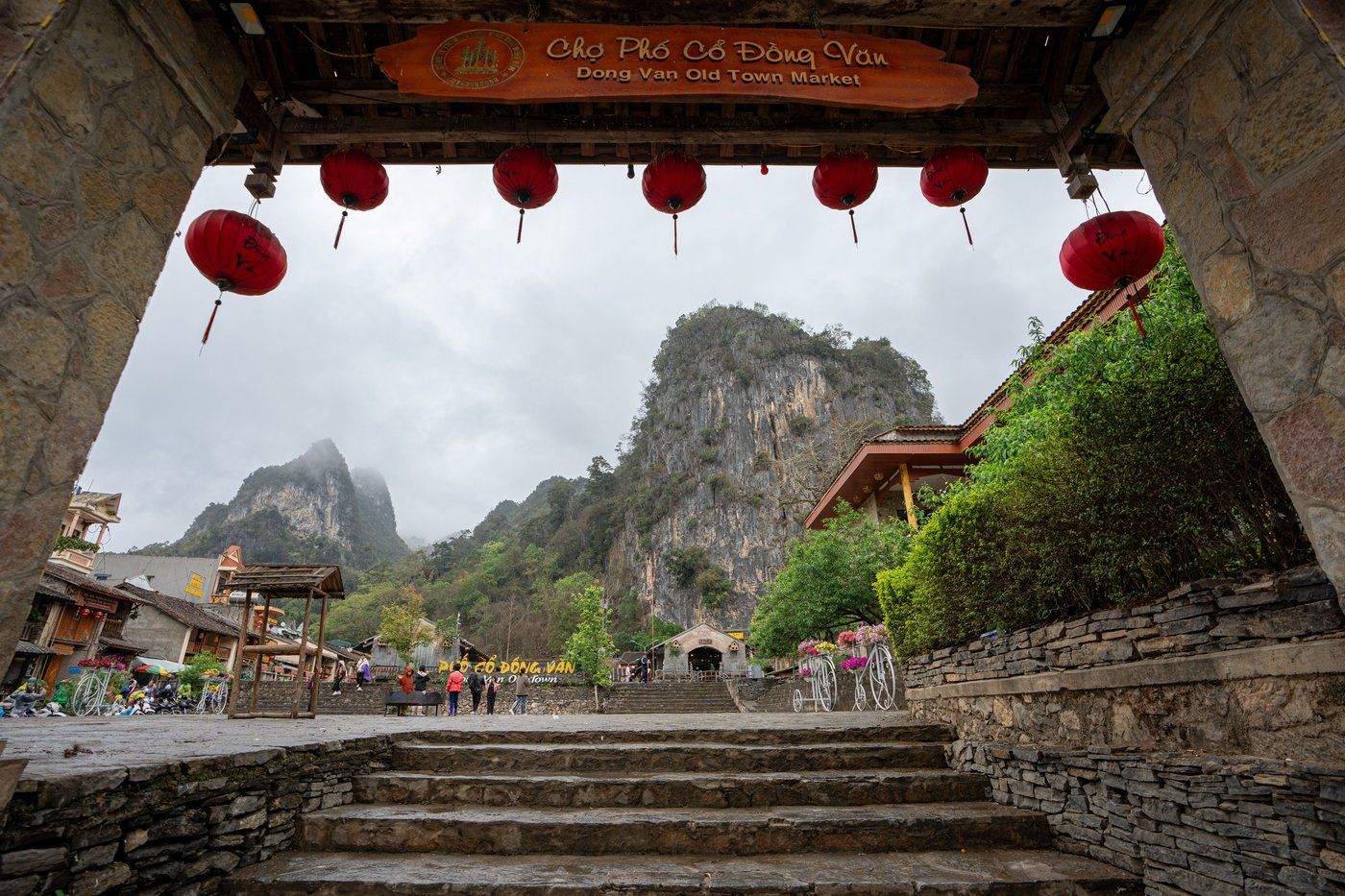
Ha Giang is more often driven than walked, but short walks off the road lead into Hmong and Lo Lo villages behind stone walls on the karst plateau. Cao Bang has quieter valleys around Ban Gioc, and Ba Be has forest trails around its lake, with Tay villages on the shore.
The centre
The Truong Son range runs down the length of central Vietnam. Around Phong Nha, forest treks combine with caves, and some routes need several days and a licensed operator. In the Central Highlands, Lang Biang, above Da Lat, is a day climb through pine forest, and the plateau around it has K’Ho villages and coffee farms.
Trekking in Vietnam with a guide
Hire a local guide; in many areas it is expected, and a guide from the village can explain what you are seeing and make introductions. Some areas near the borders need permits, and rules change, so check with your guide or the local tourist office before you set out. For trekking in Vietnam’s north, the dry, clear months are usually autumn, when the rice is ripe; summer brings heat, rain and landslides on mountain roads, and winter can be cold enough for frost on the high passes. See Best Time to Visit for each destination.
Top attractions
Northern Vietnam
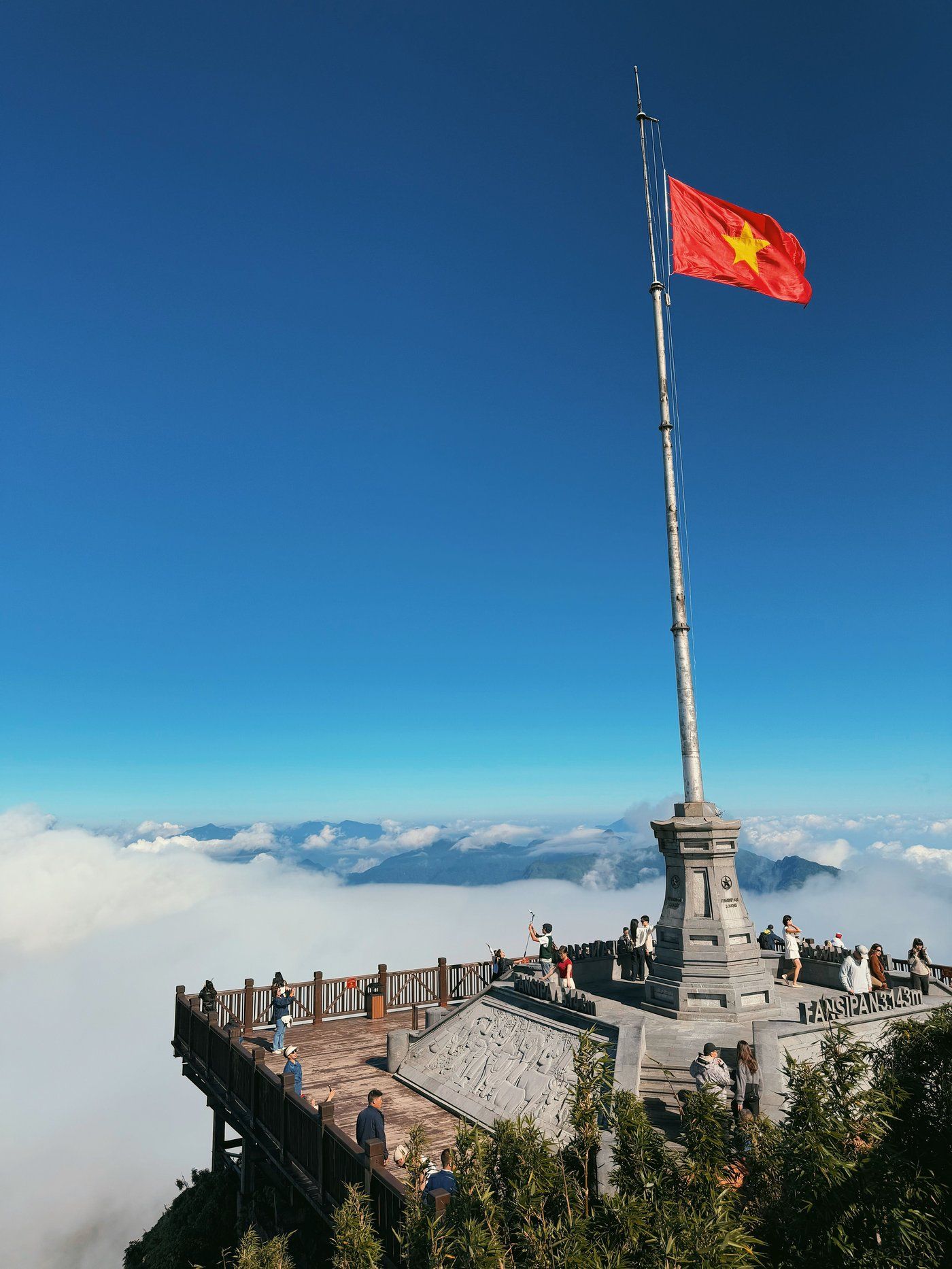
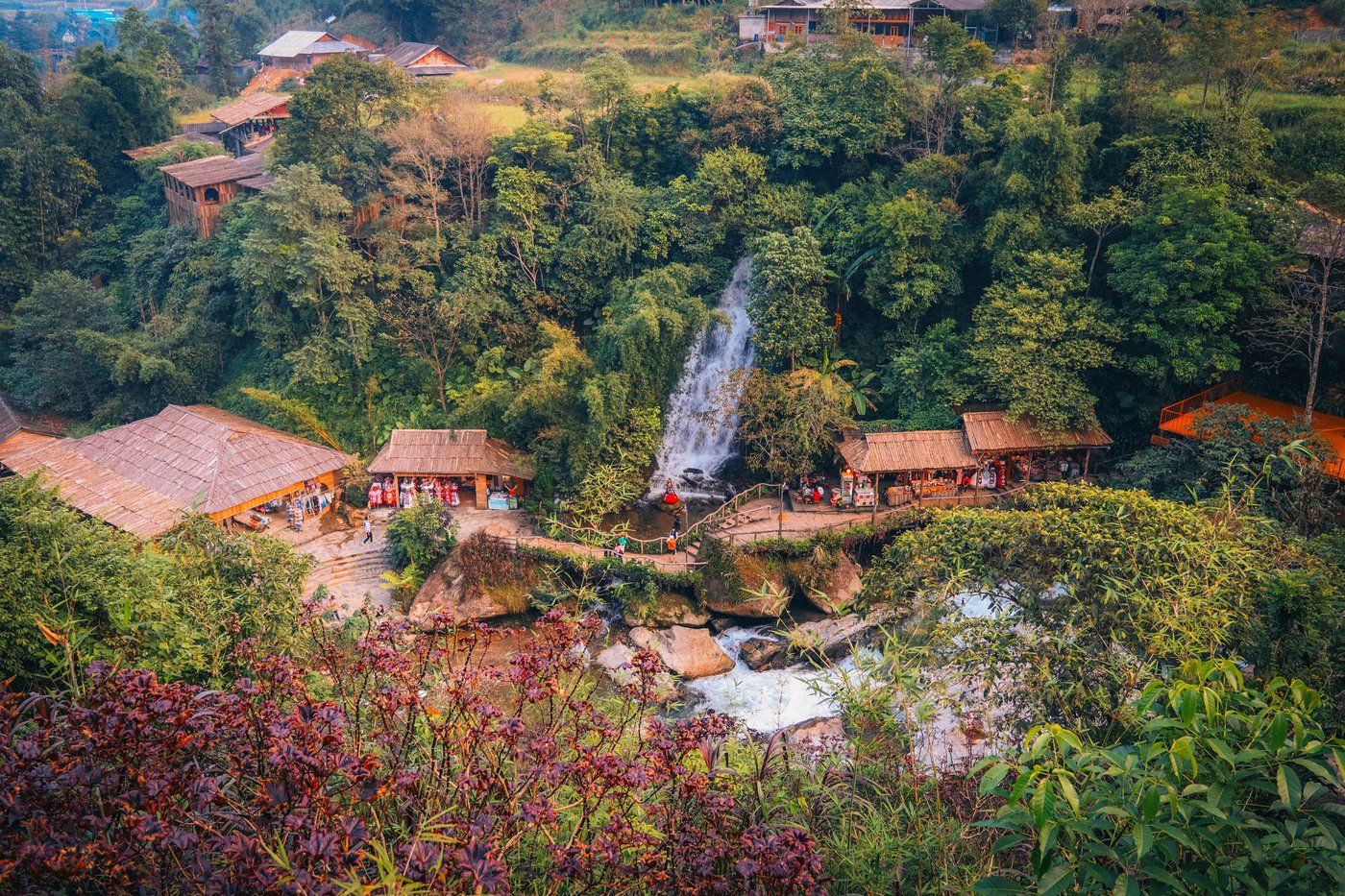
- Muong Hoa ValleySapa
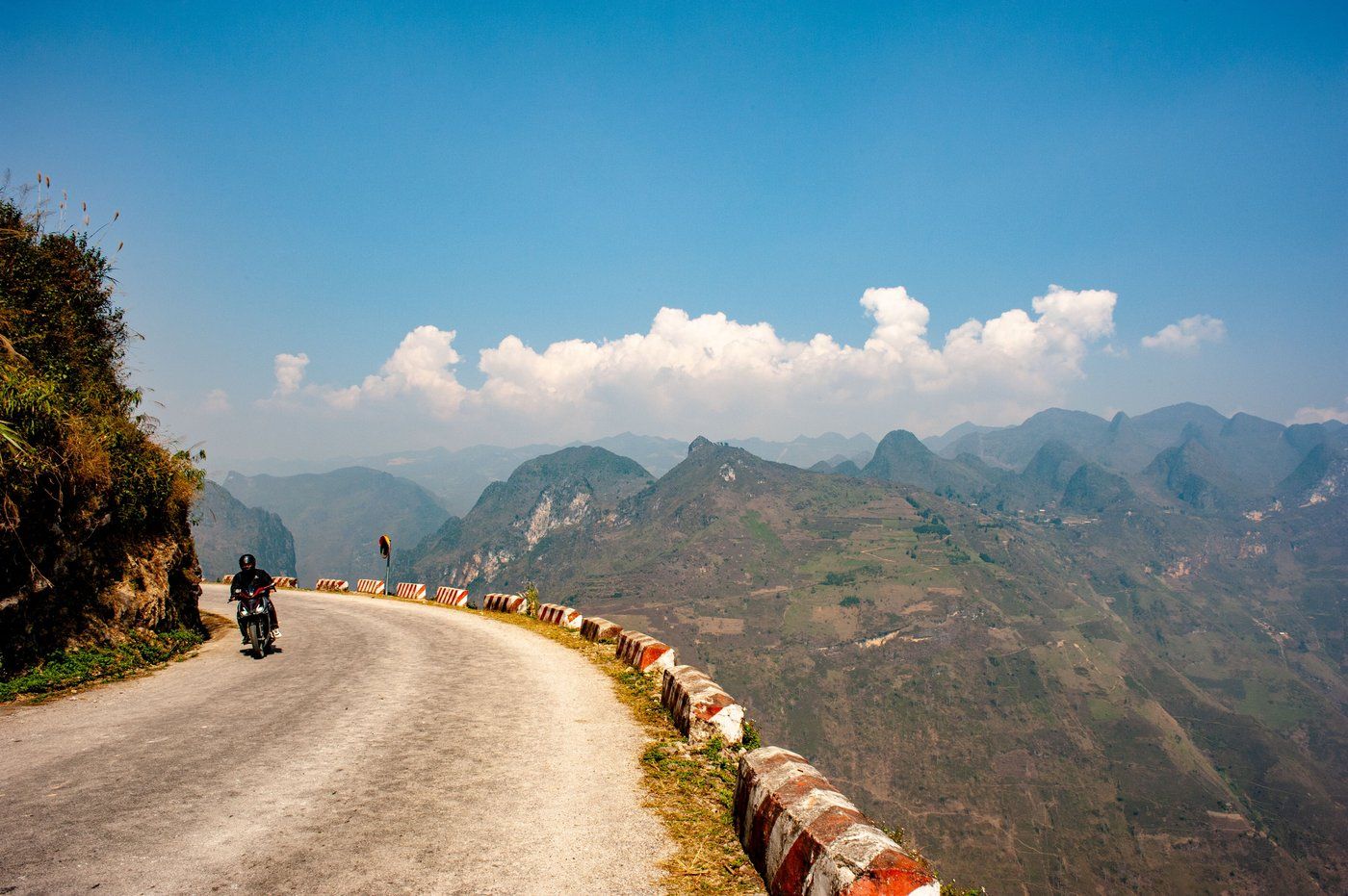
- Yen TuHa Long BayUNESCO-listed
Southern Vietnam
Stories
Mountains and Trekking: stories are on the way.