Tomb of Minh Mang
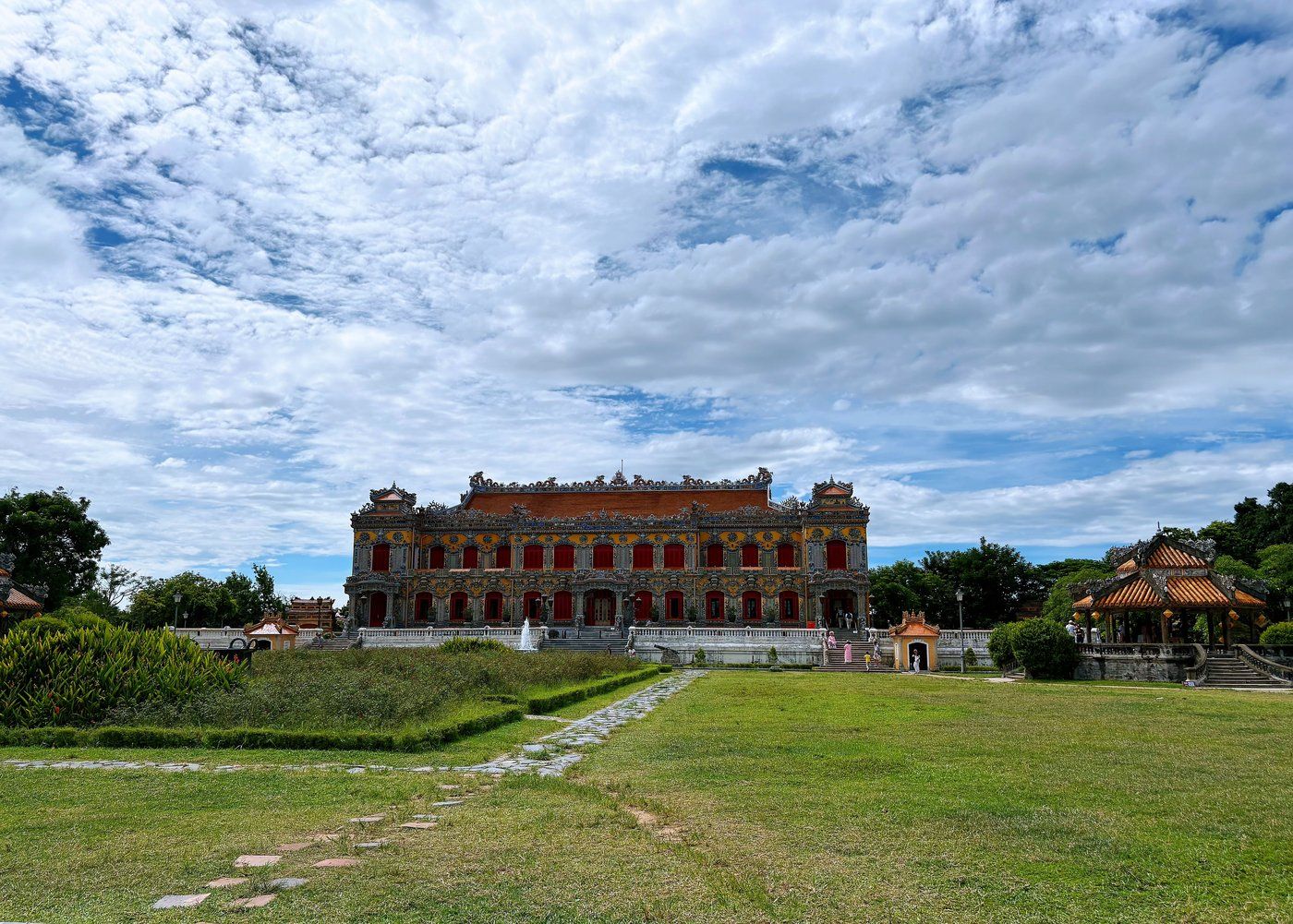
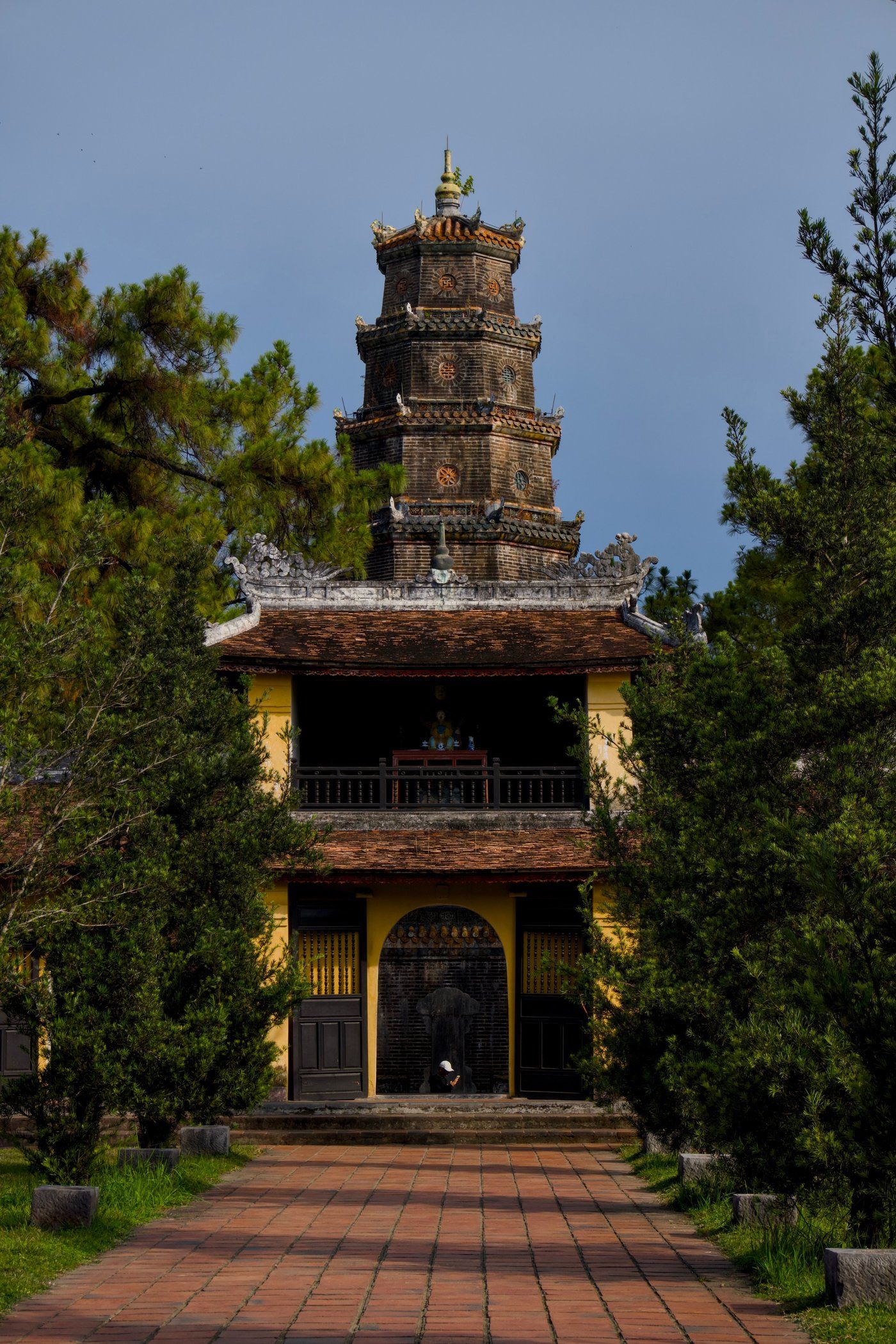
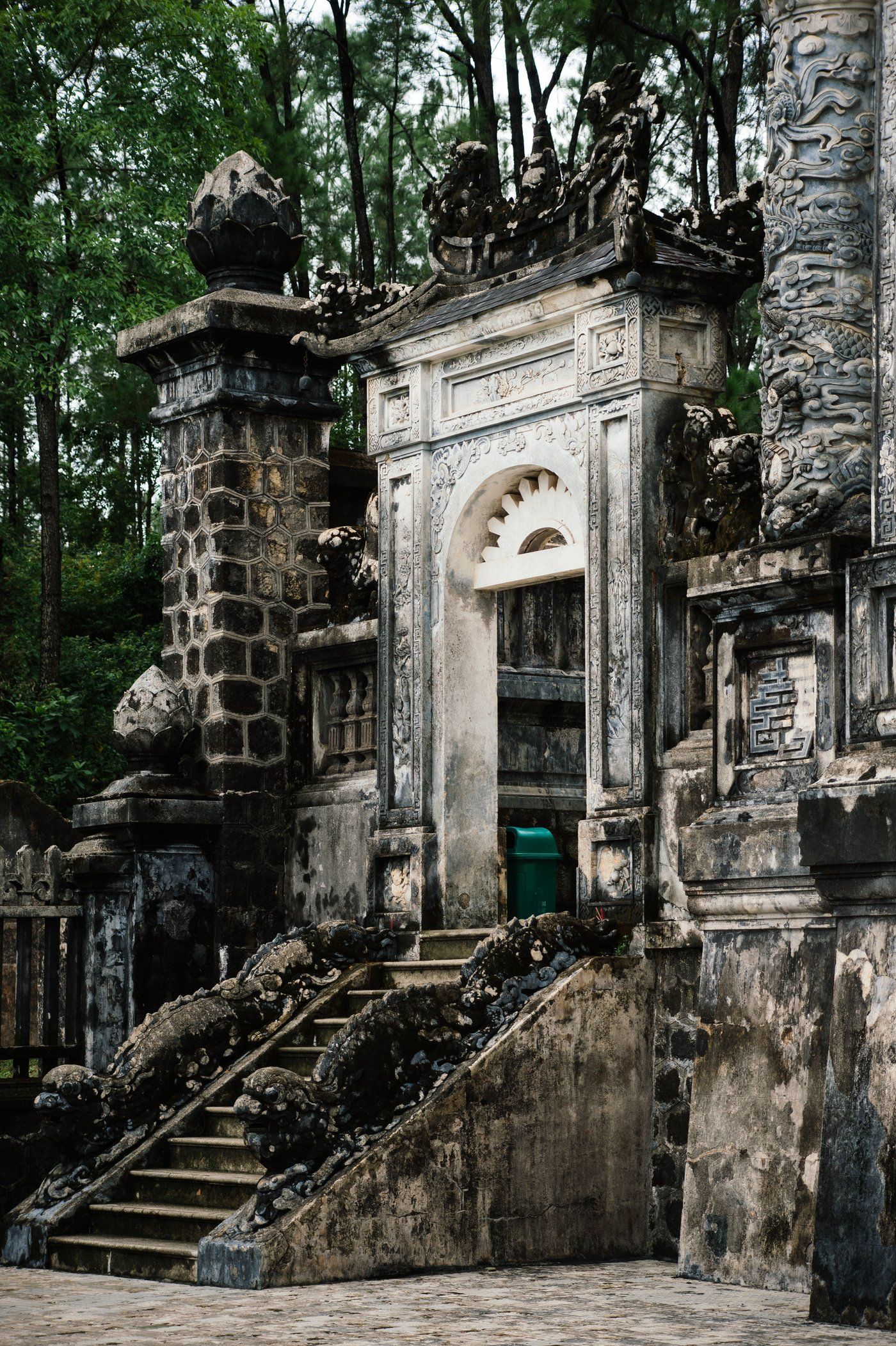
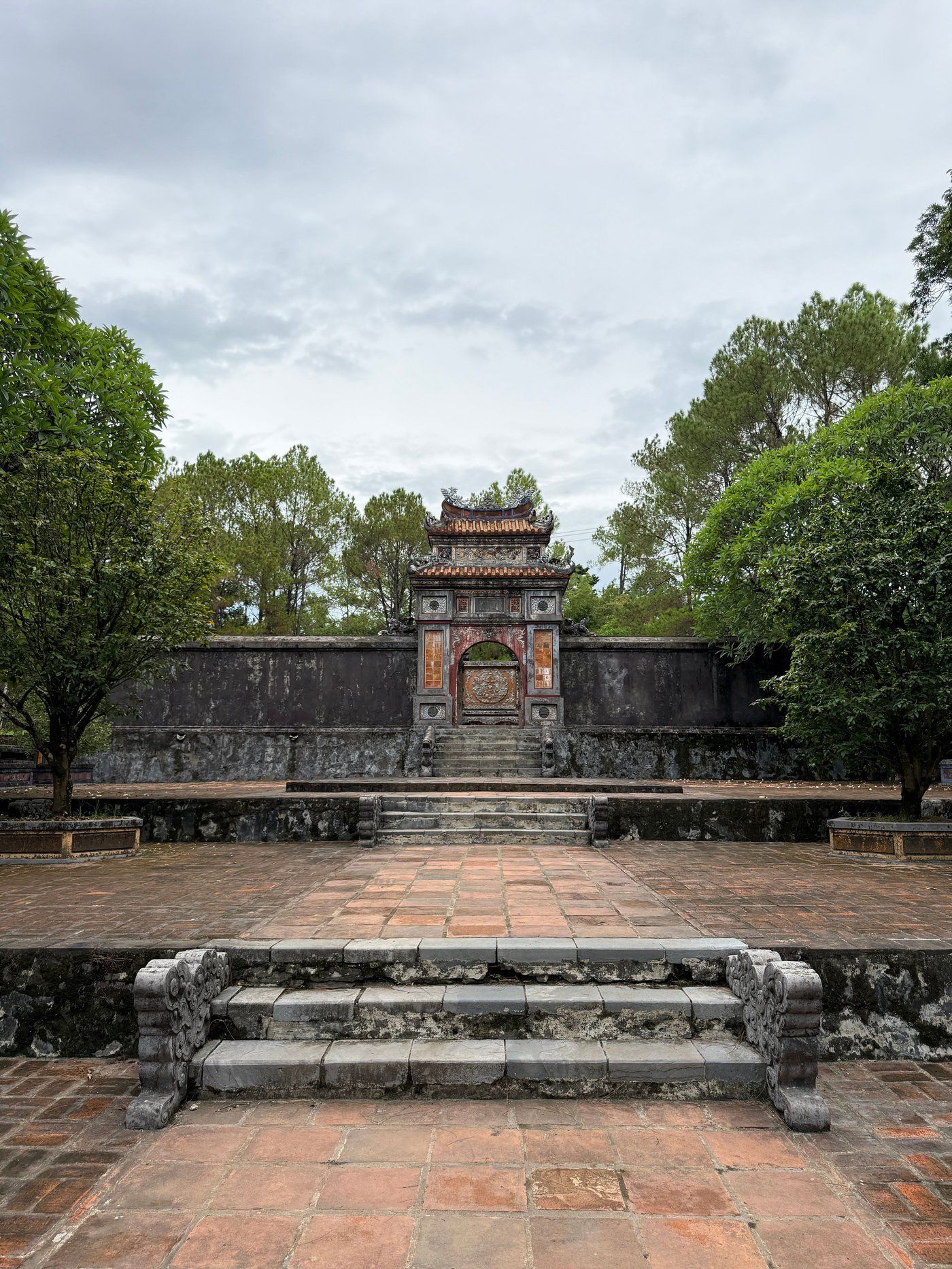
The Tomb of Minh Mang in Hue: a long axis of gates, courtyards, lakes and pavilions in pine forest, laid out for the second Nguyen emperor.
The Tomb of Minh Mang (Lăng Minh Mạng) lies in a valley of pine forest upstream from Hue, where two branches of the river meet to form the Perfume River. Minh Mang, the second emperor of the Nguyen, a stern Confucian ruler, chose the site and approved the design, but died soon after work began. His son Thieu Tri completed it in the early 1840s.
The axis of the Tomb of Minh Mang
The whole tomb is laid out on one straight line running from the gate to the burial mound, with every building in place along it and every half matched by the other. Walking the Tomb of Minh Mang from end to end is like reading a long poem in stone.
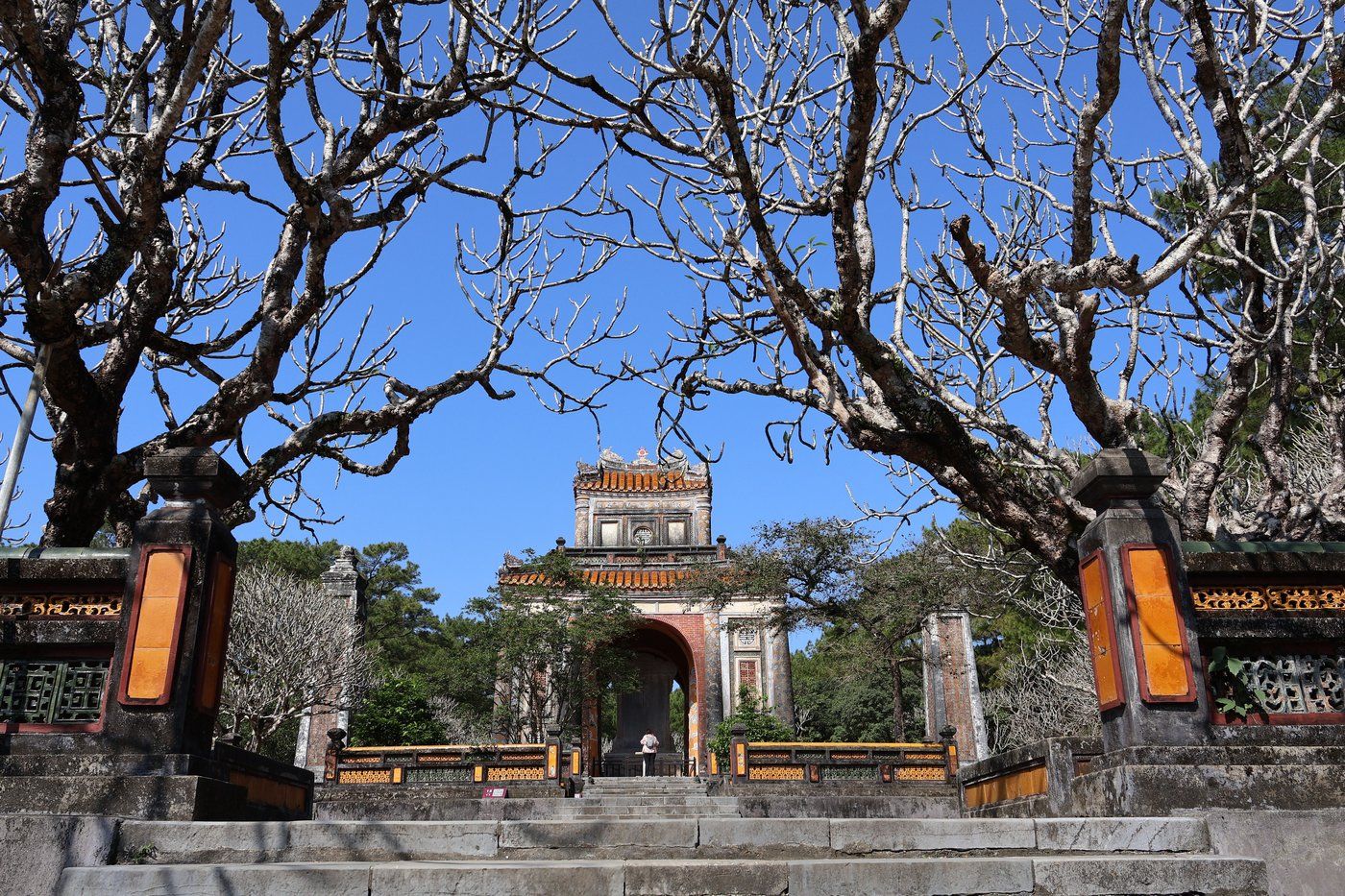
The central gate, Dai Hong Mon, was opened only once, for the emperor’s coffin; visitors enter by the side gates. Next comes the Salutation Court, where stone mandarins, horses and elephants stand in rows facing each other, waiting for their emperor. Then the Stele Pavilion, holding a stone tablet with an account of Minh Mang’s life written by his son.
Temple, lake and the closed tomb
Beyond is the Sung An Temple, where the emperor and empress are worshipped, with red-lacquered columns and altars. Behind it, the axis crosses the Trung Minh lake on bridges to the Minh Lau pavilion, a two-storey hall where the emperor’s spirit was said to rest and enjoy the view.
At the very end, a crescent-shaped lake surrounds a round wooded mound behind a circular wall. Here Minh Mang is buried. A bronze door in the wall stays locked, and the mound itself is not entered.
Visiting
Allow one and a half to two hours to walk the length of the tomb of Minh Mang and back. It is quieter than the other tombs, and the lakes are covered in lotus in summer. Many people arrive by boat from Hue and others by road; it is about twelve kilometres south of the city. For the other emperors’ tombs, see Tu Duc and Khai Dinh.
Stories
Tomb of Minh Mang: stories are on the way.