History and Monuments
Vietnamese heritage in brick and stone: ancient citadels, the Nguyen capital at Hue, Cham towers, colonial buildings and the places of the wars.
Vietnam’s history is long, and much of it is about holding ground: against northern empires, against the Mongols, against France and then in a war that divided the country. Vietnamese heritage reflects that. There are fewer grand palaces than in some Asian countries, and many more citadels, temples to generals and memorials.
Ancient capitals
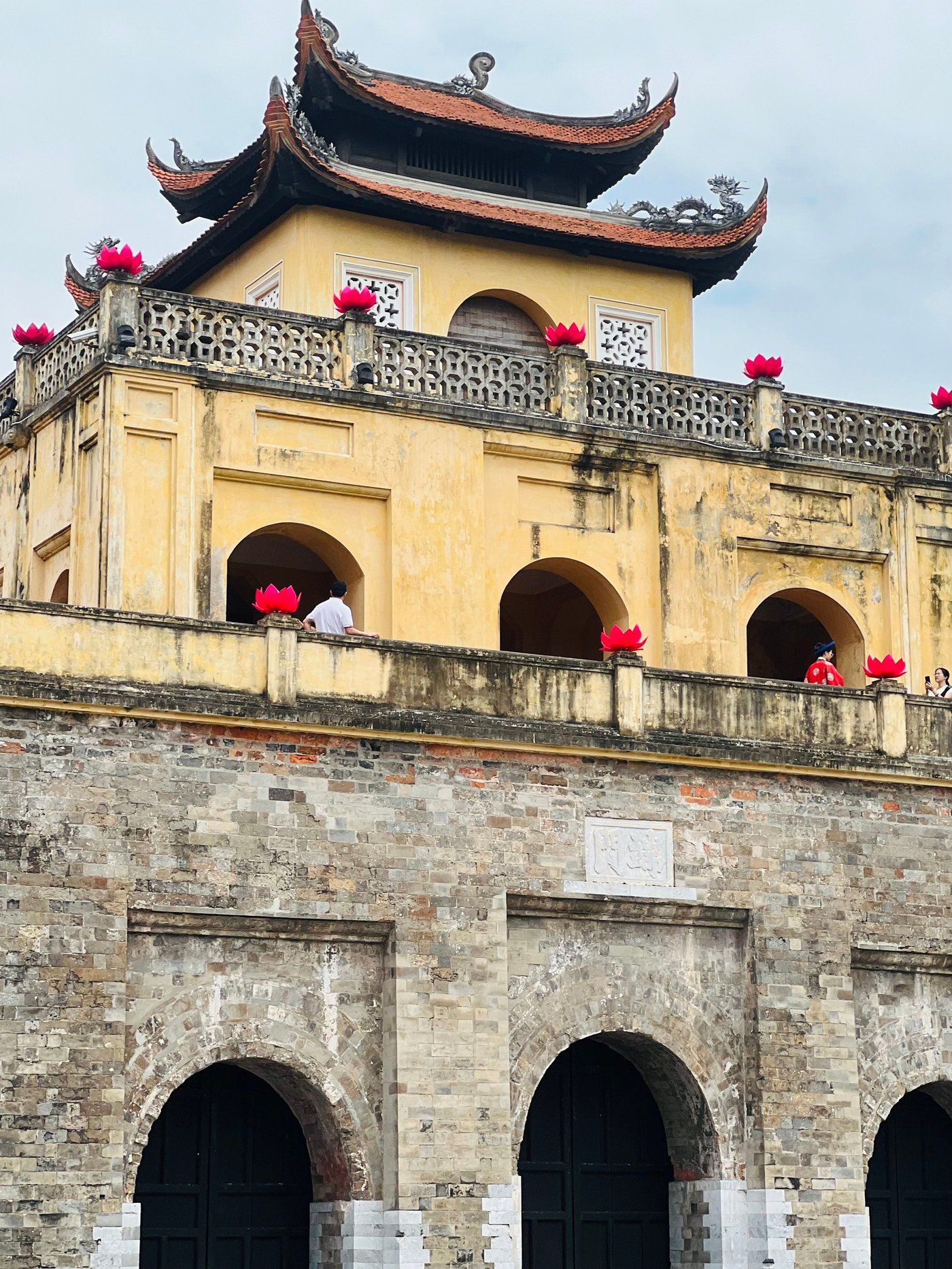
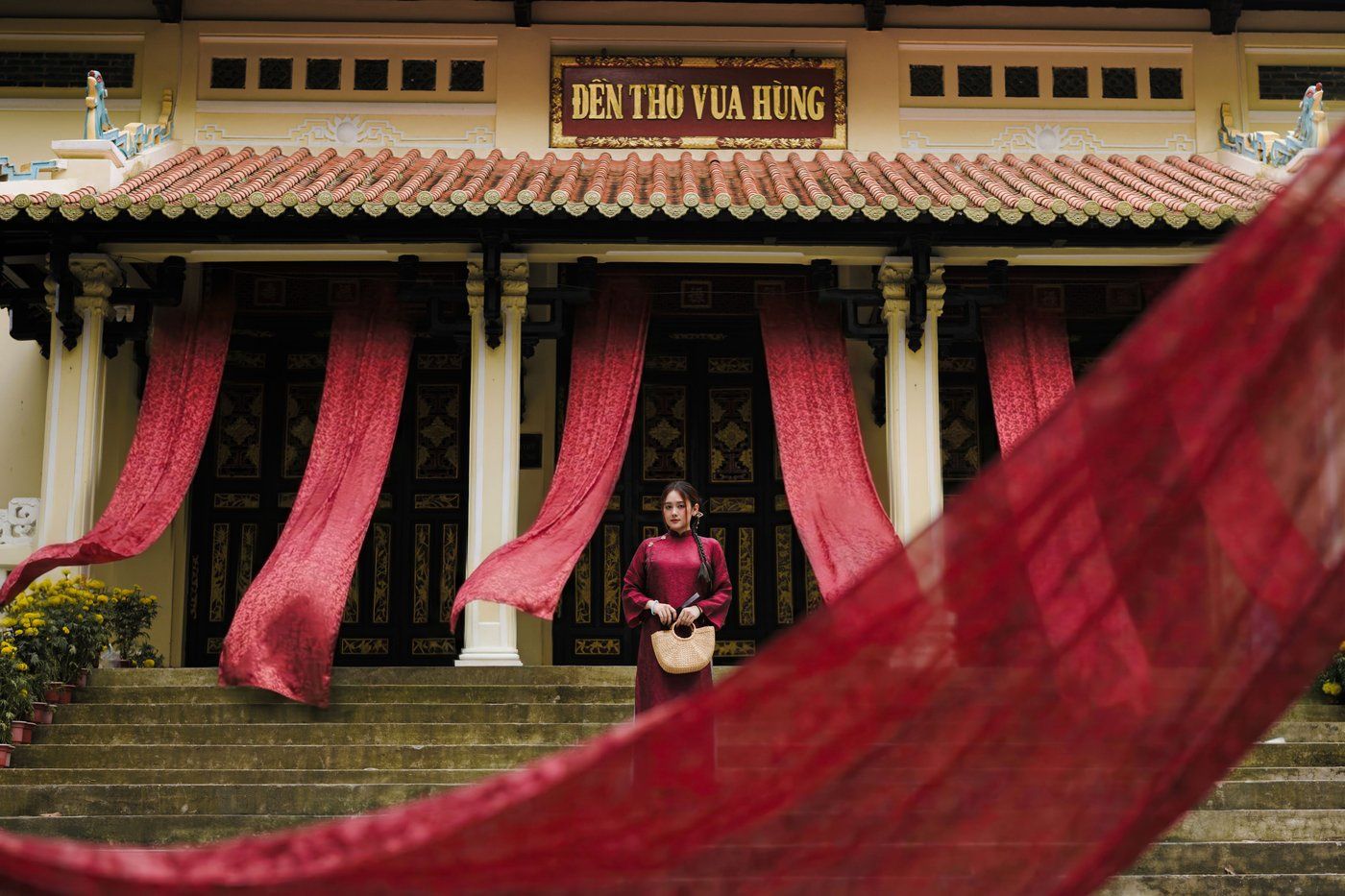
The legend of the nation begins with the Hung Kings in the hills of Phu Tho. Near Hanoi, the earth ramparts of Co Loa, a spiral citadel linked to King An Duong Vuong, are among the oldest remains of a Vietnamese state. In the 10th century the capital stood at Hoa Lu, among the limestone hills of Ninh Binh. In 1010 the Ly dynasty moved it to Thang Long, now Hanoi, and the remains of its citadel, layered over centuries, have been excavated in the city centre. In Thanh Hoa, the stone Ho Citadel, built at the end of the 14th century, is a World Heritage site.
Hue and the Nguyen
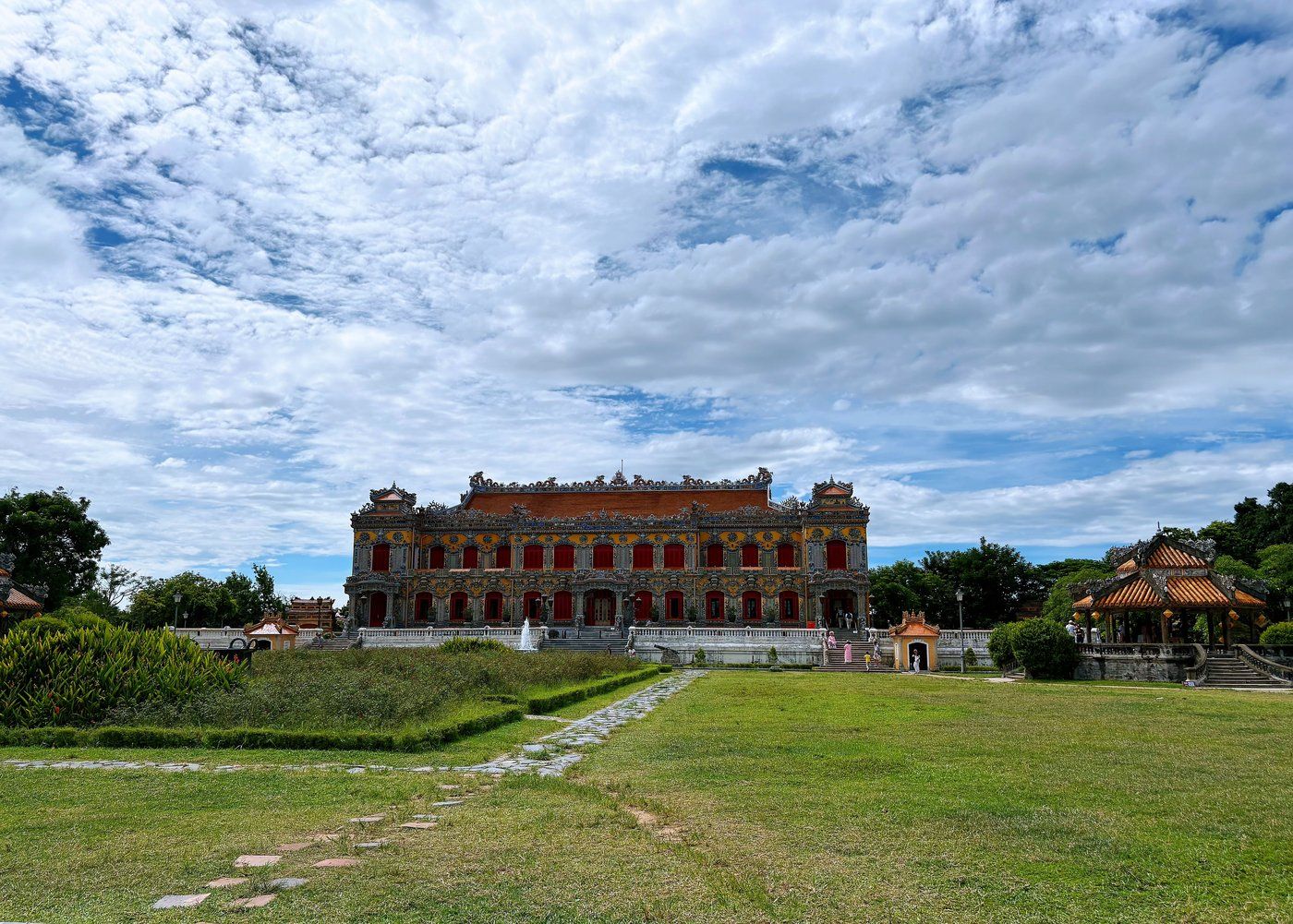
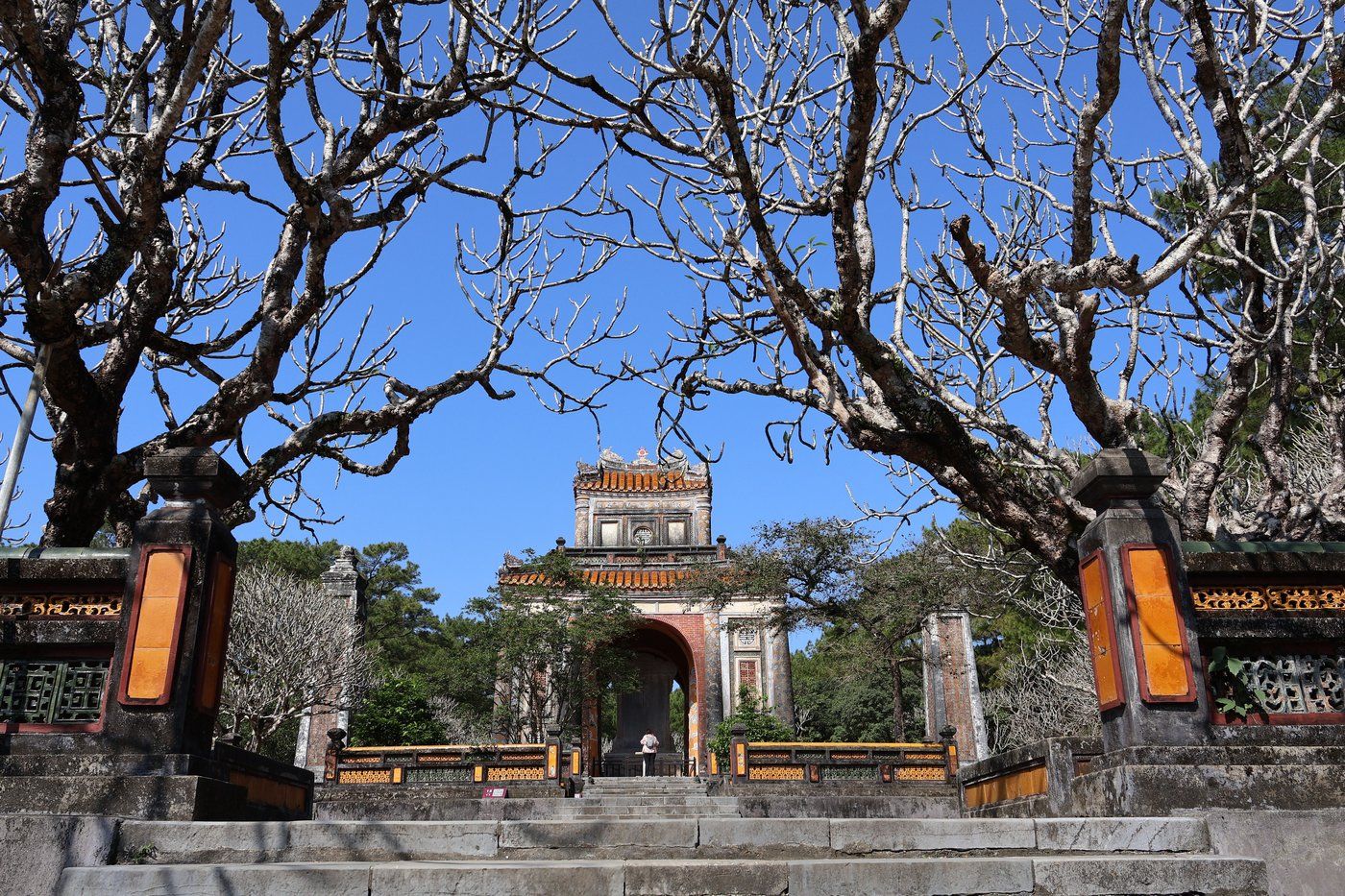
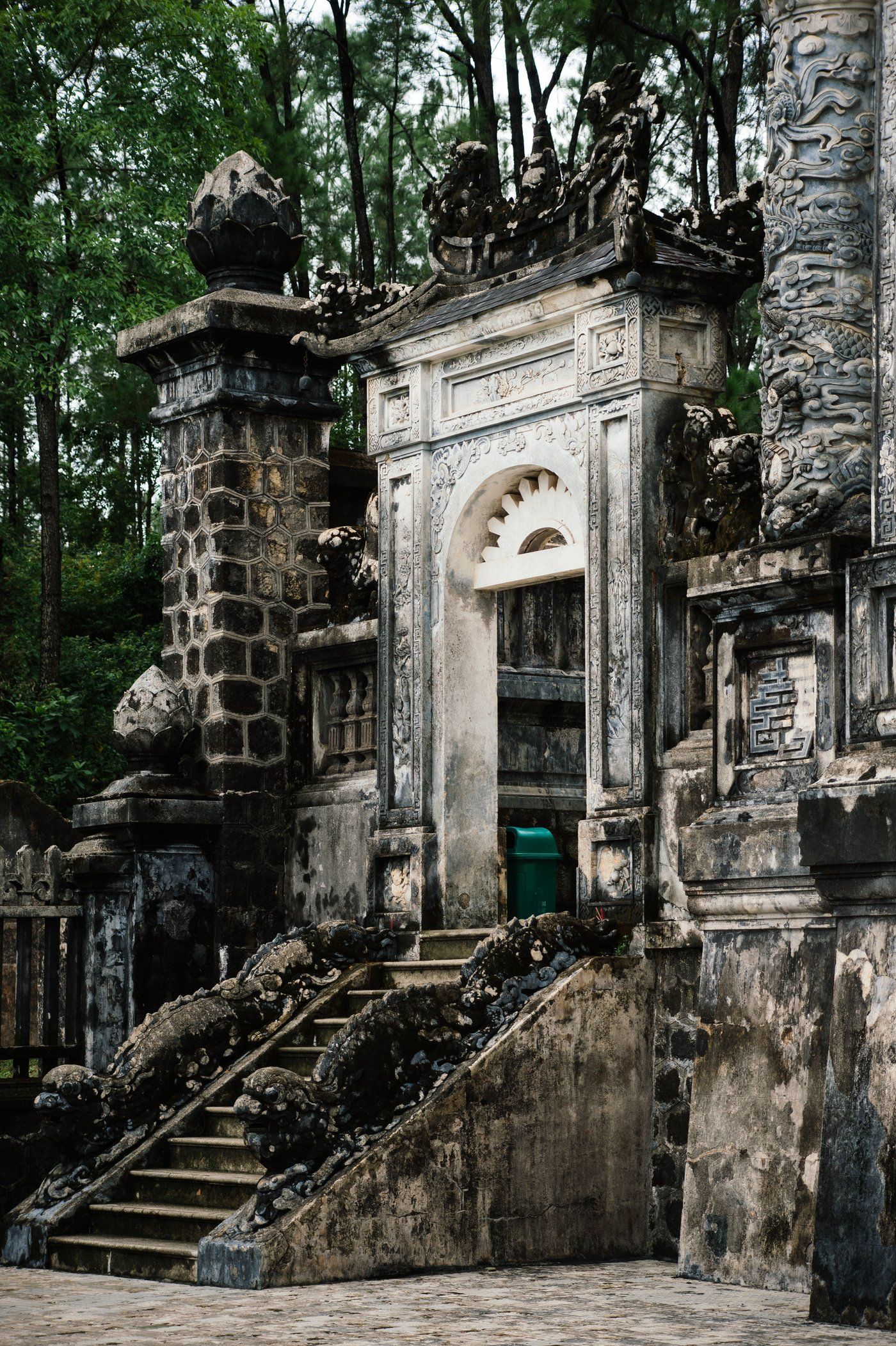
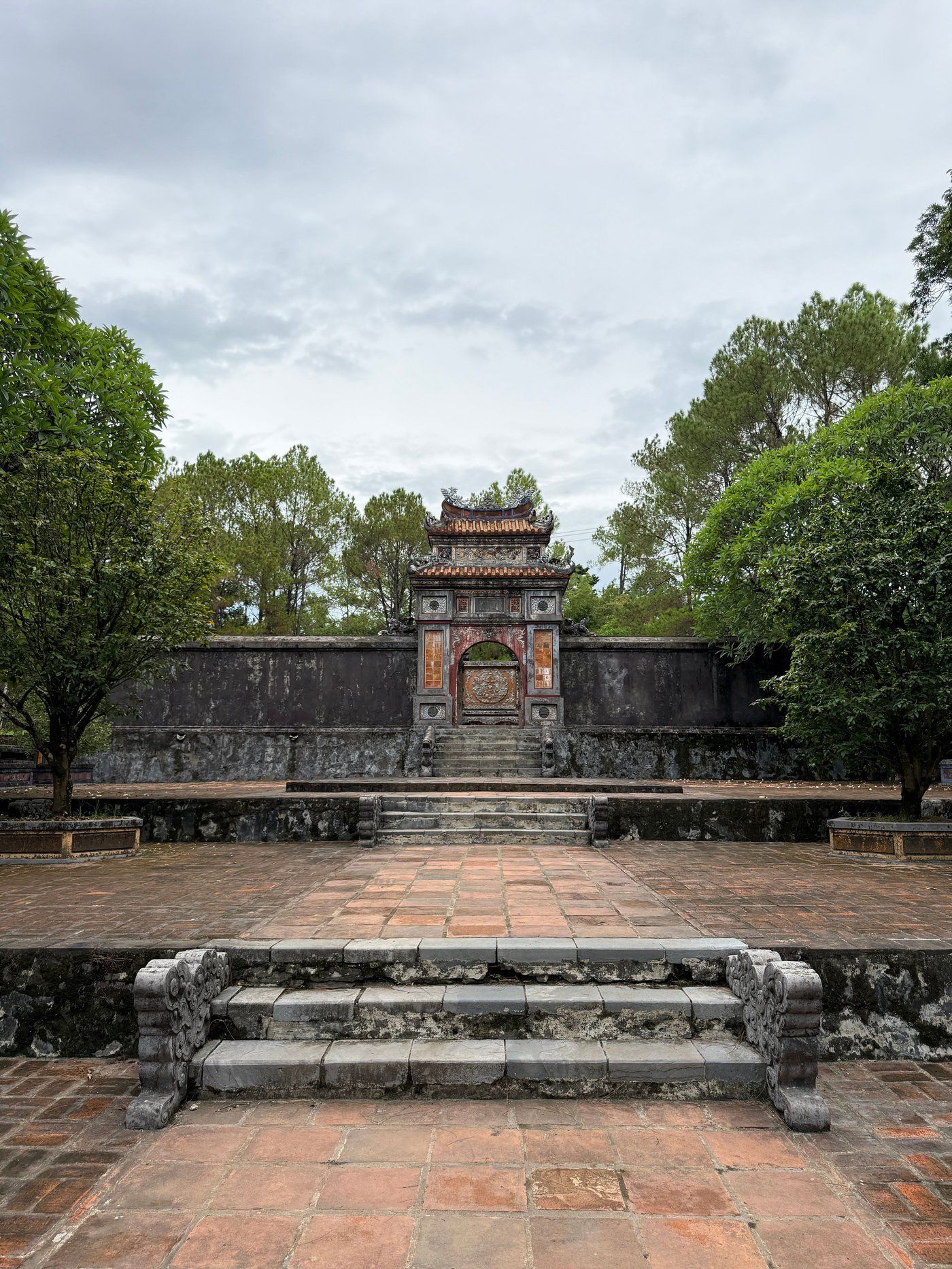
From 1802 to 1945 the Nguyen dynasty ruled from Hue, and its citadel, palaces and riverside tombs are the most complete royal ensemble in the country. Each tomb reflects its emperor, from strict Confucian symmetry to a park of lotus ponds.
Champa and the old ports
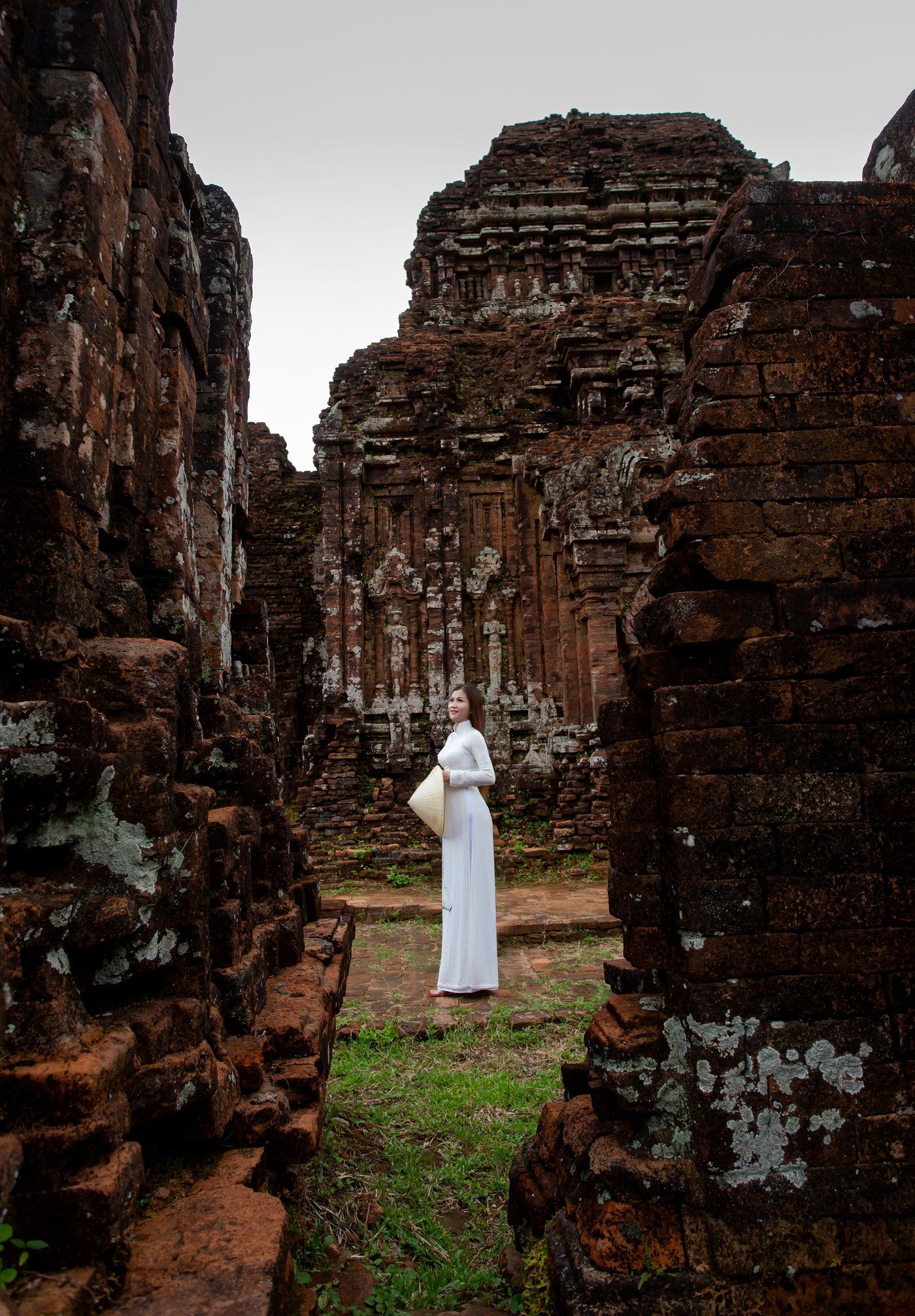
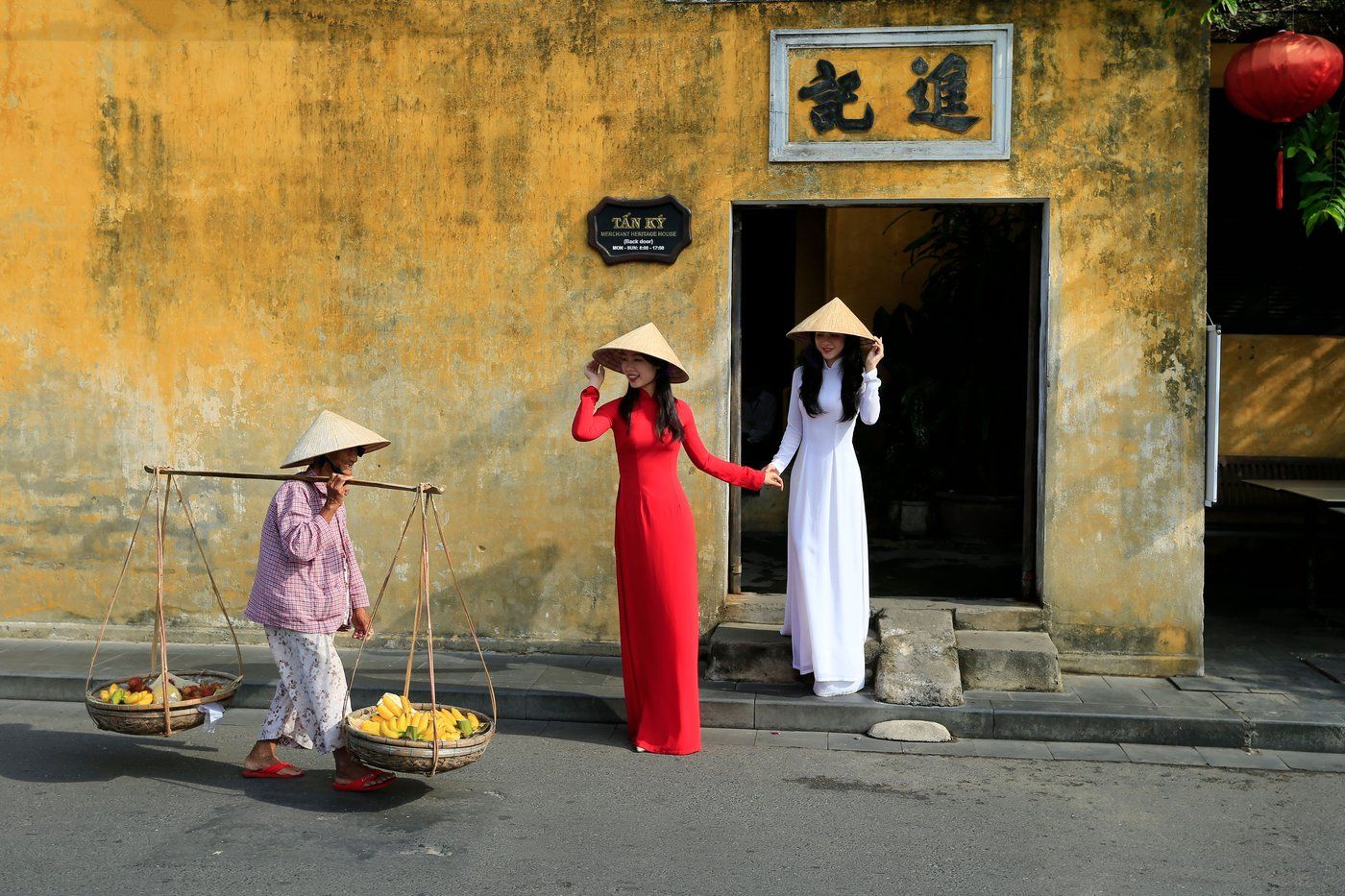
Not all Vietnamese heritage is Vietnamese in origin. Before the Vietnamese moved south, the central coast belonged to Champa. Its brick towers stand from Quang Nam down to Phan Rang, and the temple valley of My Son was its religious centre for centuries. Hoi An, the trading port, kept its merchant houses and assembly halls because trade moved away. In the Mekong Delta, the site of Oc Eo recalls an earlier trading culture linked to the kingdom of Funan.
The twentieth century
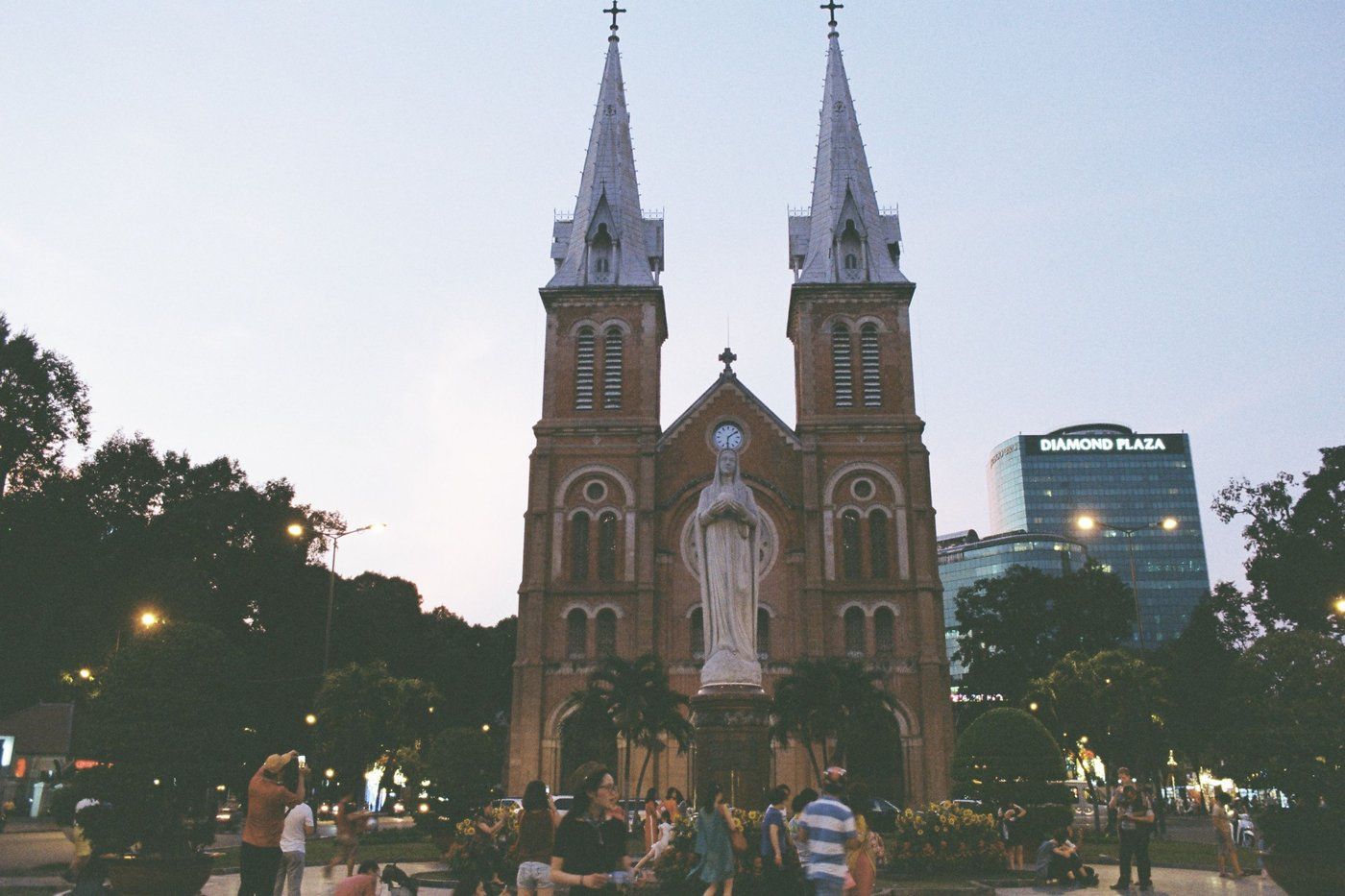
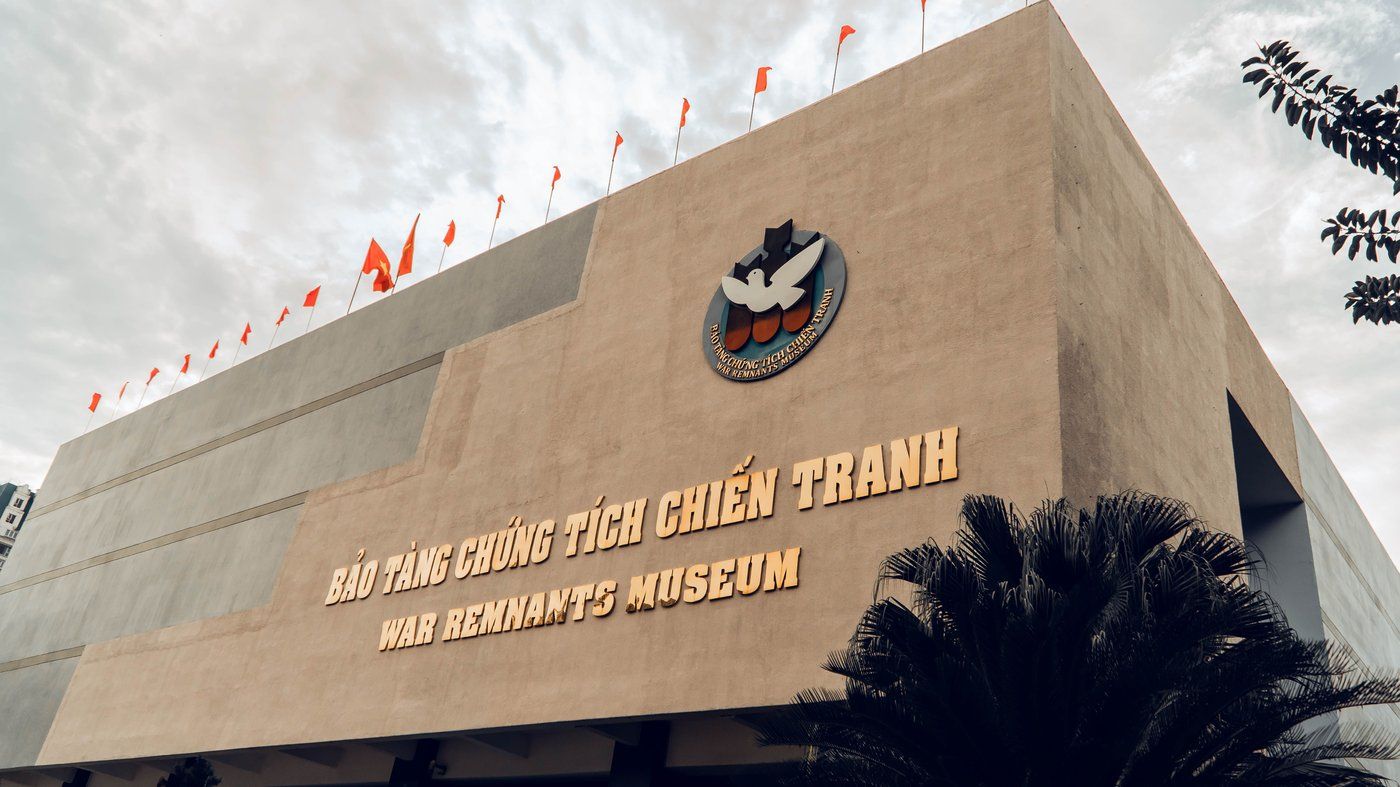
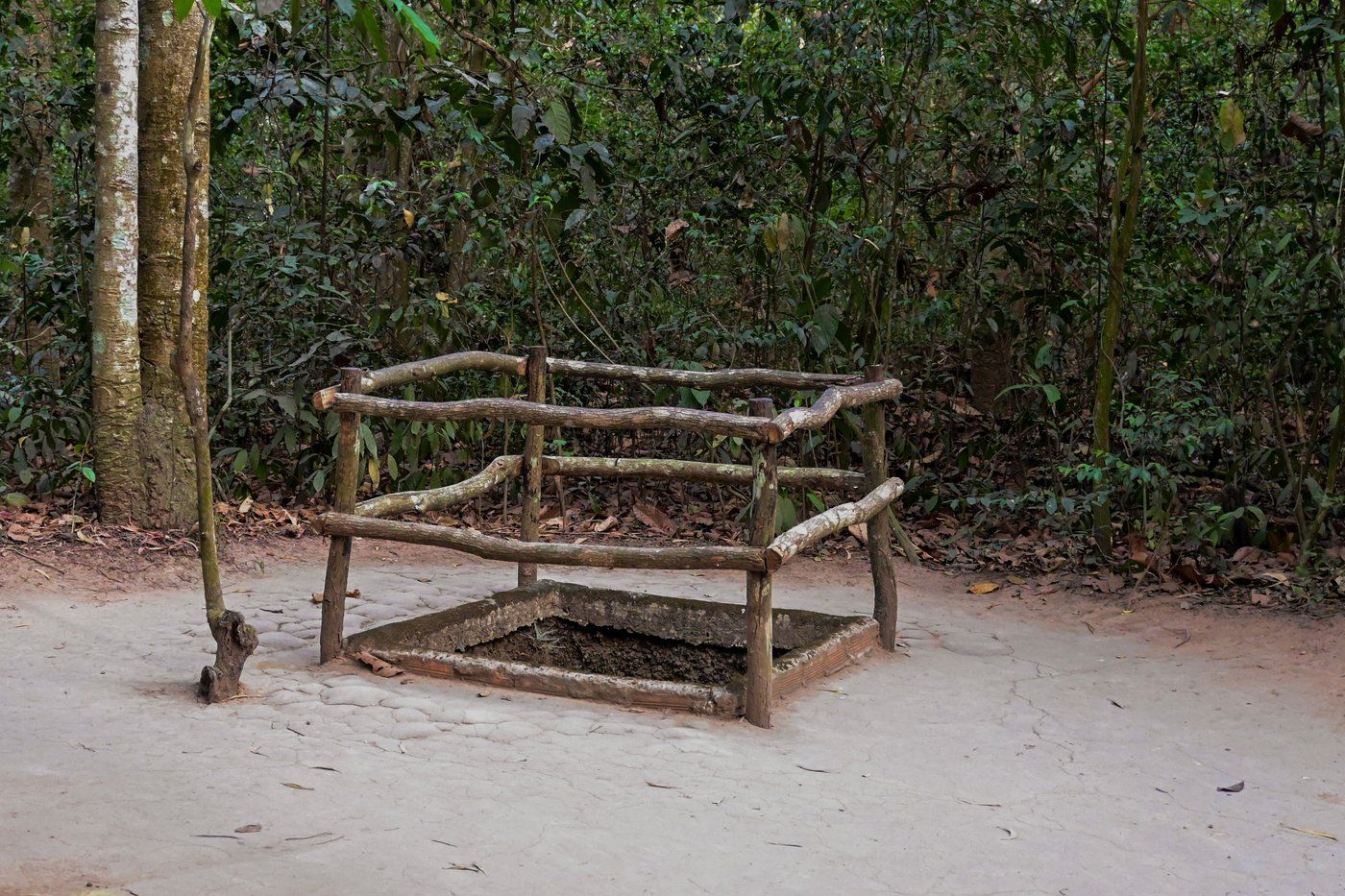
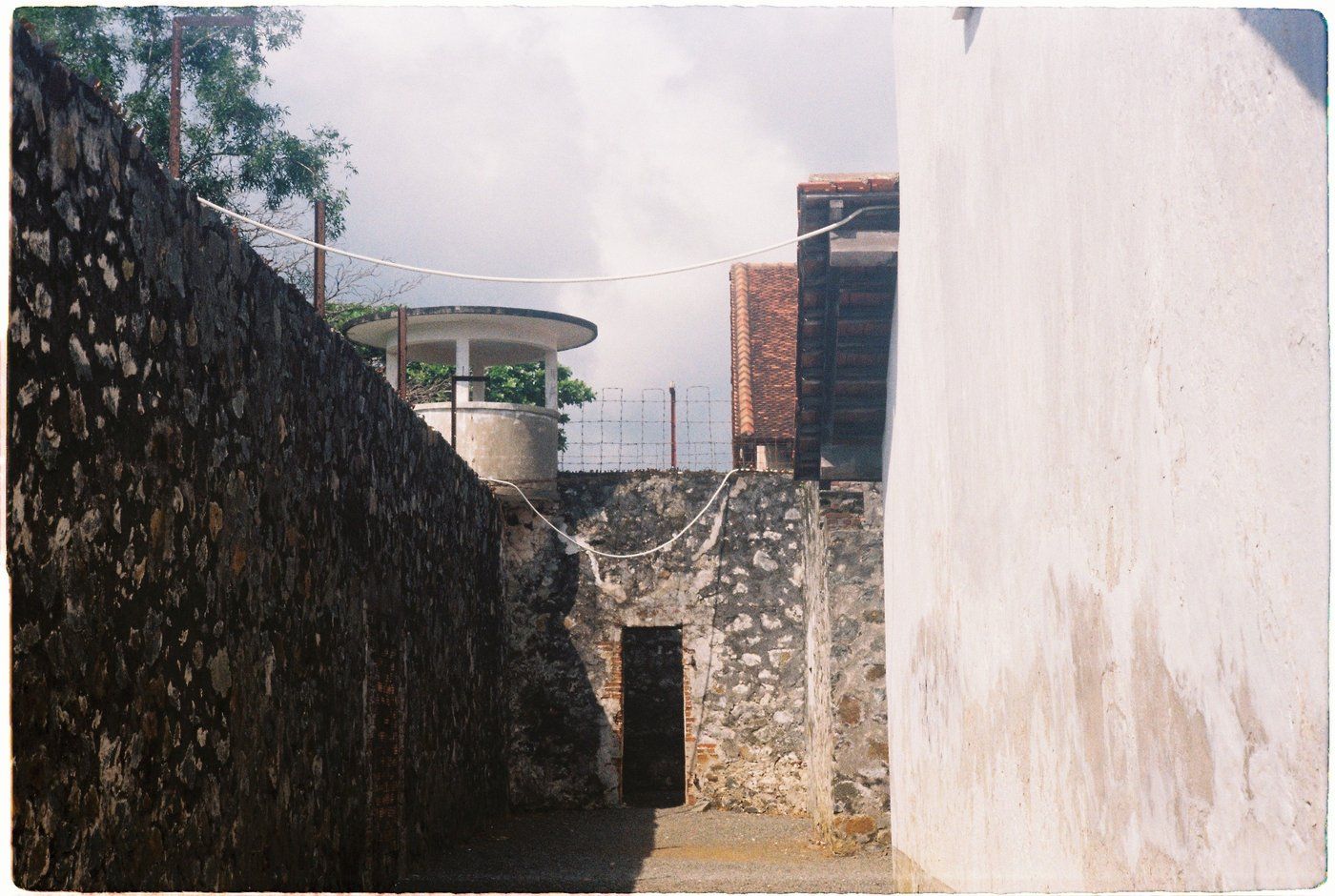
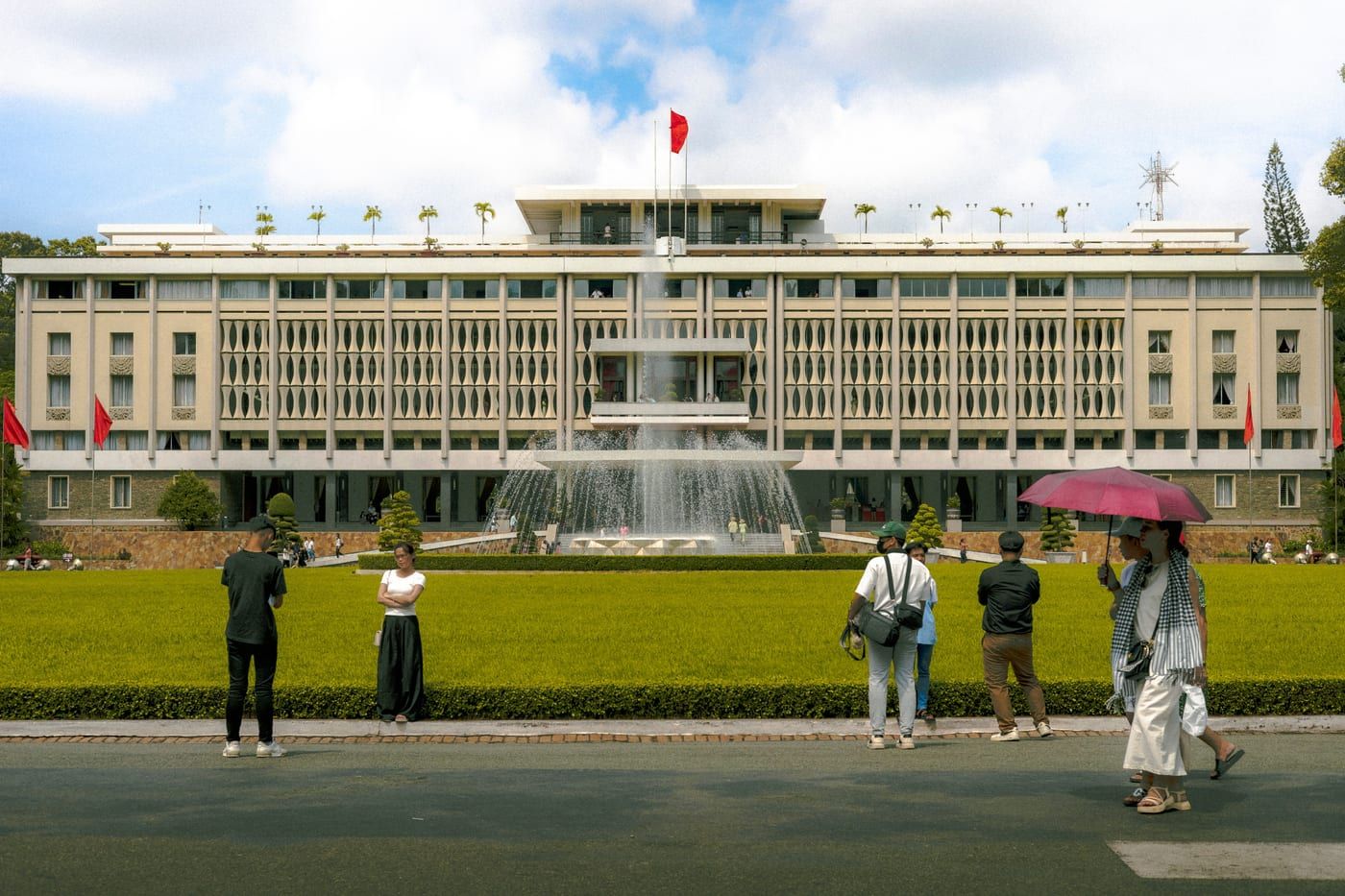
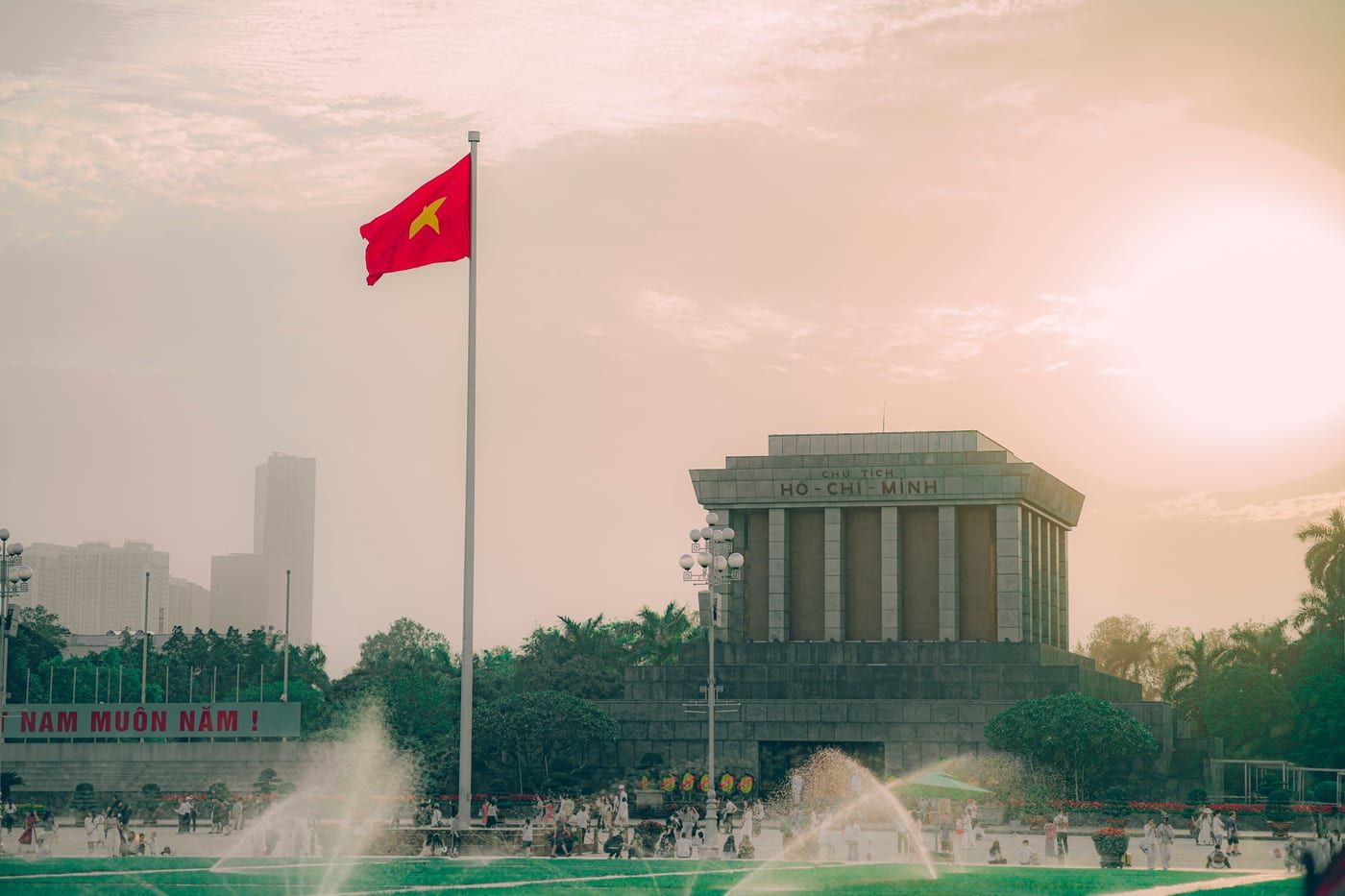
French rule left cathedrals, post offices, opera houses and villas in Hanoi, Ho Chi Minh City and Da Lat. The wars left sites that are visited by Vietnamese families and foreign visitors alike: Dien Bien Phu, where the French defeat in 1954 ended their rule; the tunnels of Vinh Moc and Cu Chi; the former demilitarised zone along the Ben Hai River; and the prisons of Con Dao and Phu Quoc. In Hanoi, Ba Dinh Square is where independence was declared on 2 September 1945.
Reading Vietnamese heritage sites
Much Vietnamese heritage has been rebuilt or restored, sometimes more than once; ask what is original. Museums in Vietnam present history from the national point of view, and it helps to read around them. The History page gives the outline in order, and the Hung Kings Festival shows how the past is still honoured.
Top attractions
Northern Vietnam
- Hoa Lu Ancient CapitalNinh BinhUNESCO-listed
- Vuong Family MansionHa Giang
- Pac BoCao Bang
Central Vietnam
- Museum of Cham SculptureDa Nang
Southern Vietnam
Festivals
Stories
History and Monuments: stories are on the way.