Banh mi
Banh mi history: how a French loaf became Vietnam's street sandwich, what goes inside, regional versions from Saigon to Hoi An, and how to order.
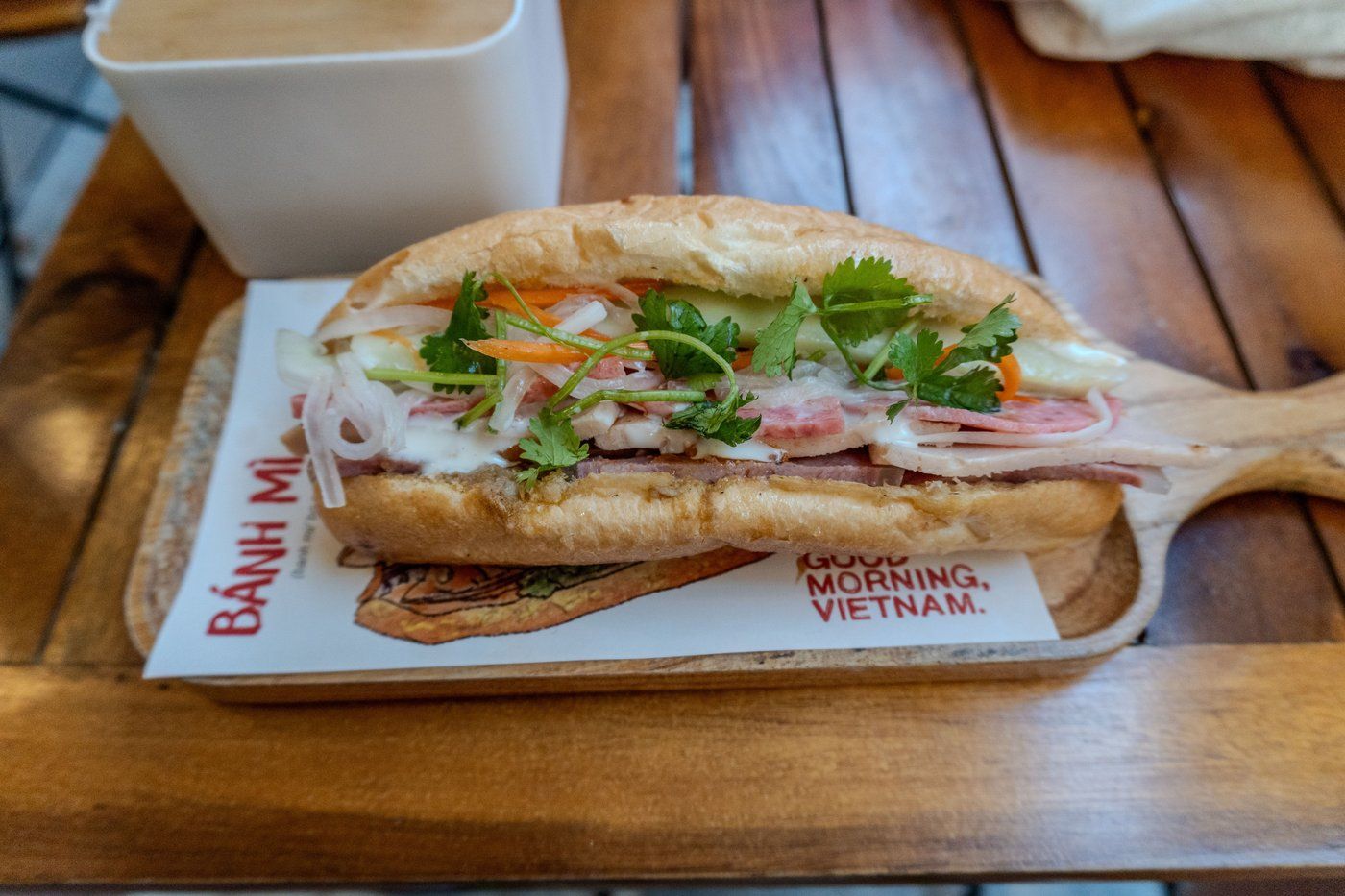
Banh mi (Bánh mì) is the Vietnamese word for bread, and also for the sandwich made with it: a short, crisp loaf split open and filled with pâté, cold cuts, pickles and herbs. It is sold from glass-fronted carts on street corners across the country and eaten at any hour, often on the move. Banh mi history is a story of a foreign food that was taken over completely.
Banh mi history, from baguette to street cart
The French brought wheat bread to Vietnam in the 19th century, and for decades it was eaten mostly by the colonists and by Vietnamese who worked with them, with butter or with a bowl of stew. Over time, Vietnamese bakers changed the loaf. It became shorter and lighter, with a thin crust that shatters when you bite it and a soft, airy inside, better suited to the heat and to a quick meal.
The filled sandwich took shape in Saigon in the middle of the 20th century, when street vendors began to stuff the loaves with fillings that were cheap and familiar. From there it spread back north and abroad with Vietnamese communities, and much of later banh mi history was written by bakers overseas.
What goes inside
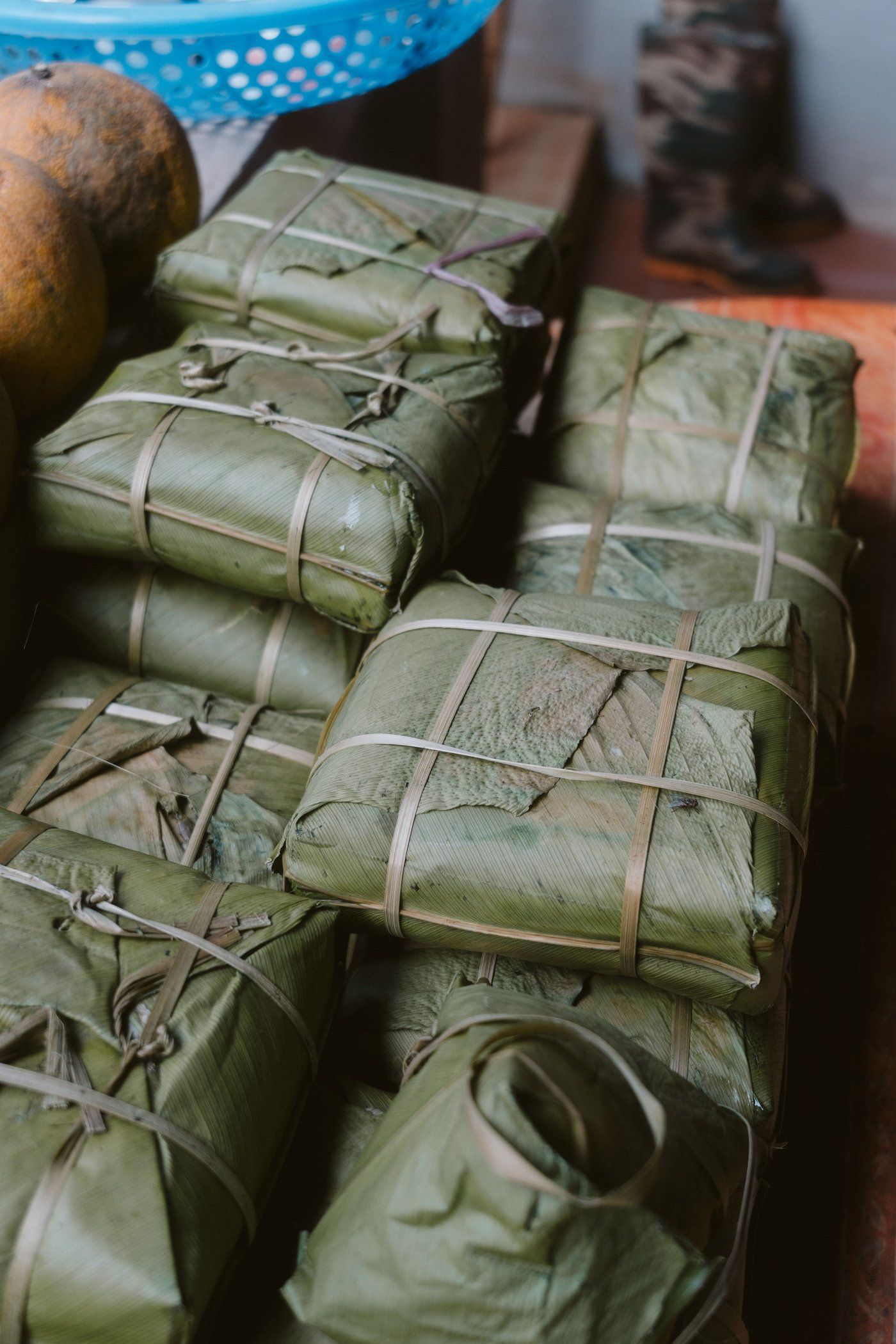
A classic banh mi starts with a spread of pâté and butter or a home-made mayonnaise. Then come slices of cha lua, a smooth pork sausage steamed in banana leaves, and other cold cuts, with cucumber, pickled carrot and daikon, coriander and fresh chilli. A few drops of soy or seasoning sauce finish it.
There are many other fillings: grilled pork, shredded chicken, fried eggs, fish cakes, roast pork belly or, for vegetarians, tofu.
Regional loaves
Each region has its own take. Saigon’s banh mi is generous and full of fillings. In Hoi An, sandwiches are known for their rich sauces and are among the most talked-about in the country. Hai Phong makes banh mi que, a thin stick of bread with only a smear of spicy pâté. In Da Lat, bread is dipped into a bowl of meatballs in tomato sauce, and banh mi chao arrives with eggs, pâté and meat sizzling in a small iron pan, to be eaten with the loaf on the side.
Ordering at the cart
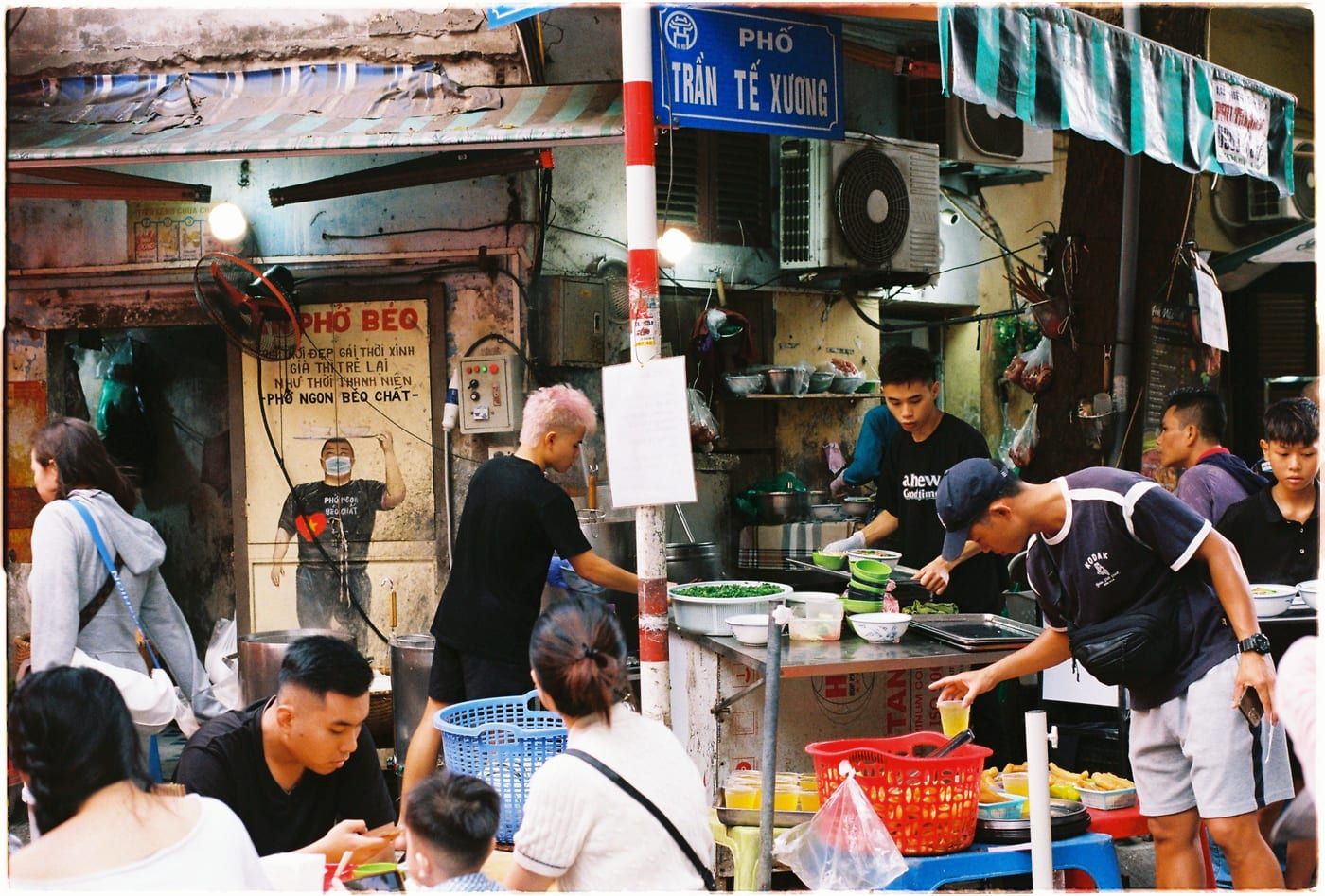
Most vendors make one or two kinds. Point at what you want, and say “khong cay” if you would like no chilli. Breakfast is the busiest time, when office workers queue on their way to work. In Ho Chi Minh City, where banh mi history began, you will rarely walk far without finding a cart.
Stories
Banh mi: stories are on the way.