Street Food
Vietnam street food culture beyond the famous few: breakfast soups, rice-plate stalls, snail shacks, sweet soups and the plastic stool.
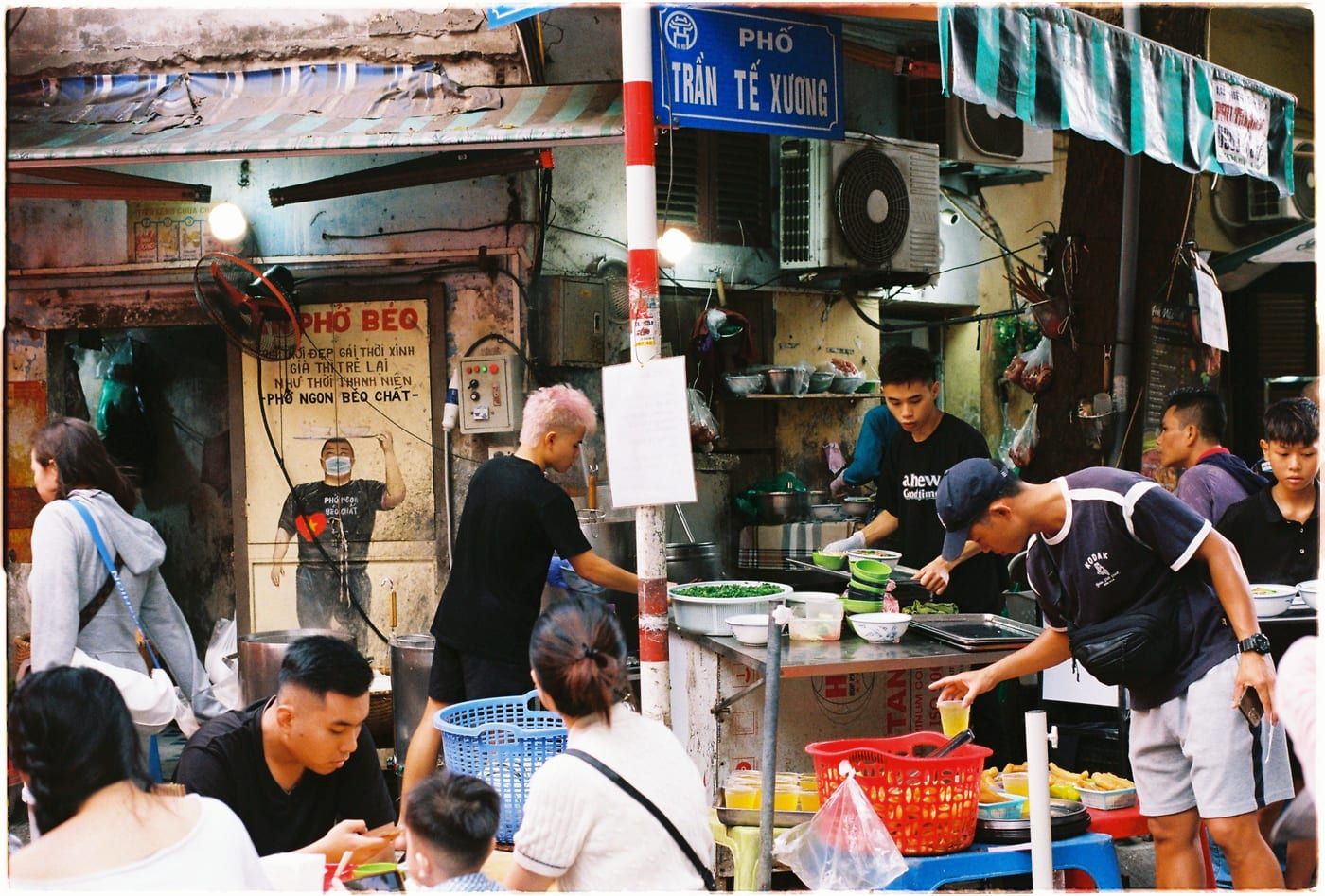
In Vietnam the pavement is a dining room. Low plastic stools and tables appear on the street at dawn, a pot of broth goes on the boil, and by seven the stall has served half the street. Many sellers make only one thing and have done so for years, sometimes for generations. That habit of doing one dish well is the core of Vietnam’s street food culture.
A day of eating
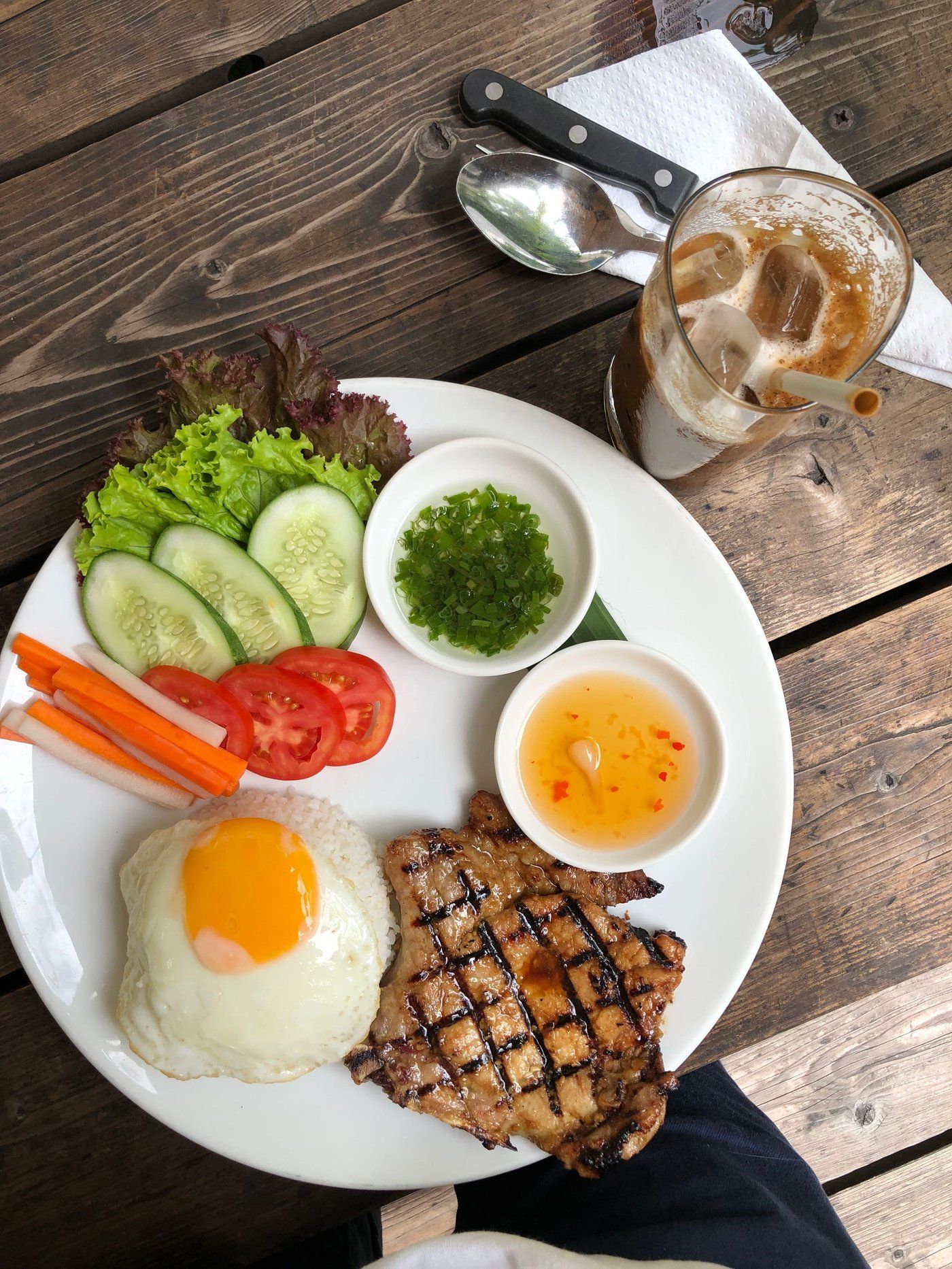
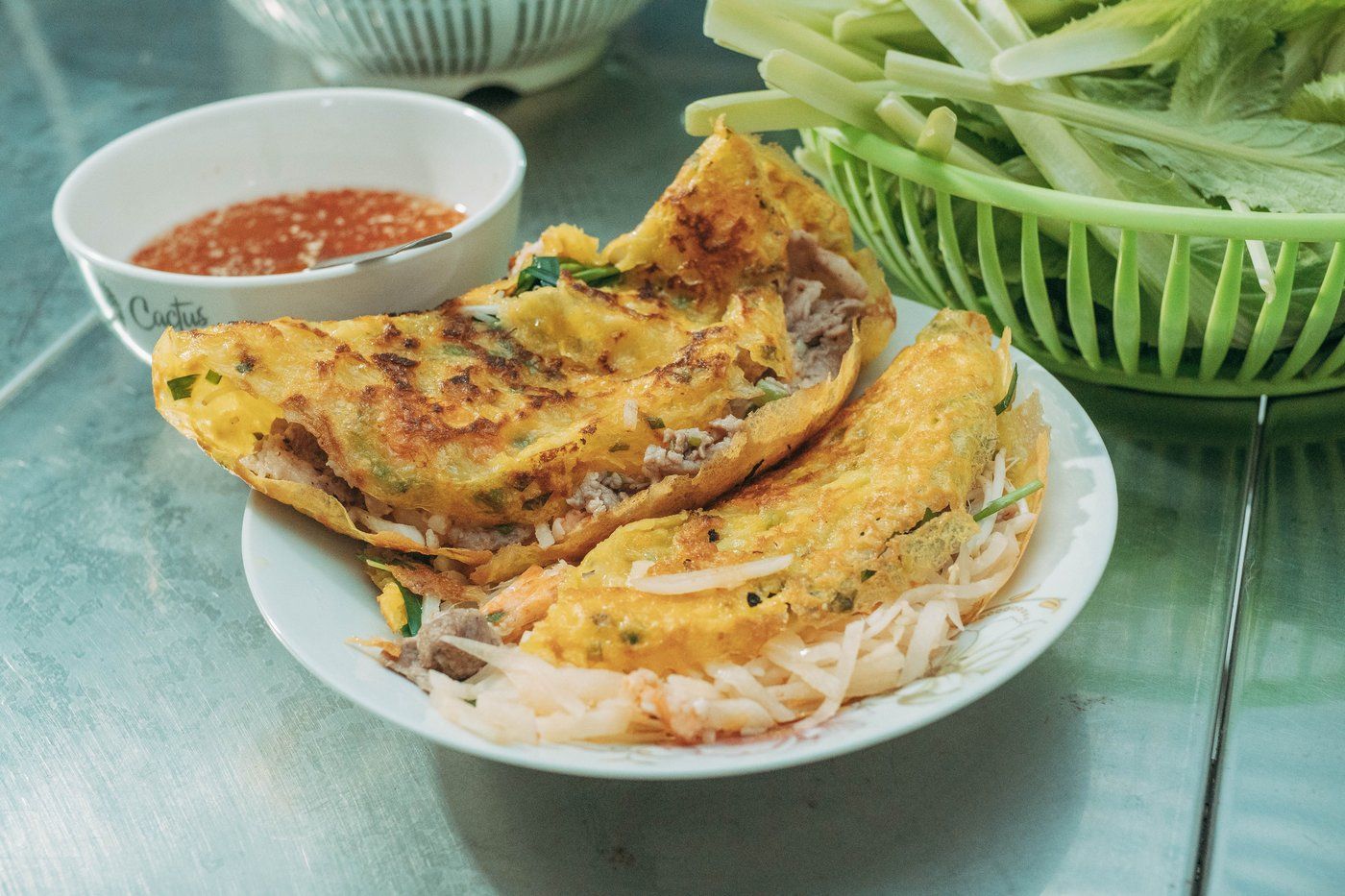
Breakfast is soup or rice. Besides pho, there is bun rieu, rice noodles in a tomato and crab broth; banh cuon, steamed rice sheets rolled around minced pork and mushroom; and xoi, sticky rice with toppings, sold from baskets on street corners. At midday office workers go to com binh dan, rice-plate stalls where you point at the dishes you want. In the afternoon come snacks: grilled rice paper in Da Lat, fried spring rolls, fresh rolls with peanut sauce. Evenings bring hot pot, grilled meat and, in the south, che, sweet soups of beans, jelly and coconut milk, served in glasses.
One country, three kitchens
The north cooks clean and lightly seasoned, with fresh herbs on the side. Hanoi’s old quarter has whole streets named for what was once sold there, and it still eats in narrow alleys and doorways. The centre is spicier: bun bo Hue with lemongrass and chilli, and mi Quang, turmeric noodles with very little broth, in Da Nang and Hoi An. The south eats sweeter, with more herbs and coconut. Ho Chi Minh City has shacks that serve only snails and shellfish, cooked a dozen ways, and its Chinese district of Cho Lon has its own noodle and dumpling stalls.
Markets
Covered markets are where Vietnam’s street food culture concentrates. Every town has one, and the cooked-food section, usually in a corner or under the main roof, serves the stallholders themselves. In the Mekong Delta the market can be on the water, with boats selling noodle soup at dawn.
Joining in Vietnam’s street food culture
Choose places that are busy with local people. Sit down and the dish usually comes without a menu; where there is a choice, point. Herbs, lime and chilli on the table are for adding to taste. Chopsticks and spoons are in a box on the table, and a pot of iced tea is often free. Pay when you leave; in Vietnam’s street food culture nobody hurries you. For the dishes behind festivals and family occasions, see Traditional Dishes, and for the cafes, Coffee and Tea.
Top attractions
Southern Vietnam

Dishes
Stories
Street Food: stories are on the way.