Fish Sauce (nuoc mam)
Vietnamese fish sauce, nuoc mam: how anchovies and salt become sauce, the islands and towns that make it, dipping sauces and the mam of the south.
Vietnamese fish sauce (Nước mắm) is in almost every dish in the country, and on almost every table. It is made from just two ingredients, fish and salt, left to ferment for many months until the fish breaks down into a clear, amber liquid. Vietnamese cooks use it the way others use salt: in marinades, broths and stir-fries, and above all in dipping sauces.
Anchovies, salt and time
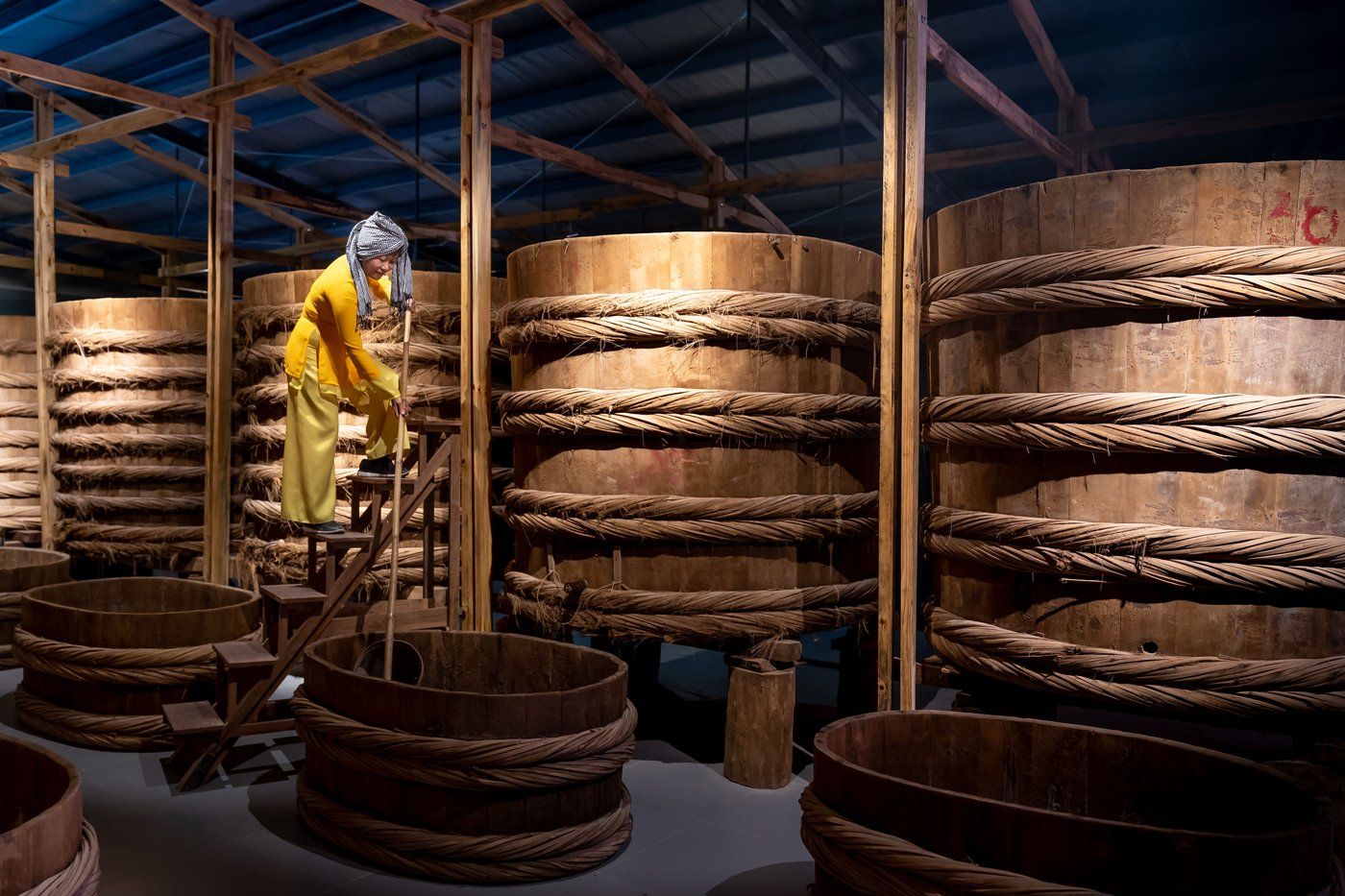
The fish are usually small anchovies, ca com, caught off the coast and salted on the boats or as soon as they land. At the fish sauce house, they are layered with sea salt in large wooden barrels or clay jars, weighted down and left. Over the following months, often a year or longer, enzymes in the fish break down the flesh, and the liquid slowly gathers. It is drawn off through a tap at the bottom of the barrel.
The first drawing, nuoc mam nhi, is the richest and most prized; later drawings are lighter. Makers describe their sauce by its “degrees”, a measure of protein: the higher the number, the deeper the flavour.
Where Vietnamese fish sauce is made
Fish sauce is made all along the coast, but two places are famous. Phu Quoc, the island in the Gulf of Thailand, ferments anchovies in tall wooden barrels, and its name is protected for sauce made in the traditional way there. Phan Thiet, near Mui Ne, is one of the oldest centres of the trade on the mainland. Other towns, such as Nha Trang and Cat Hai, have their own styles.
Nuoc cham and other sauces
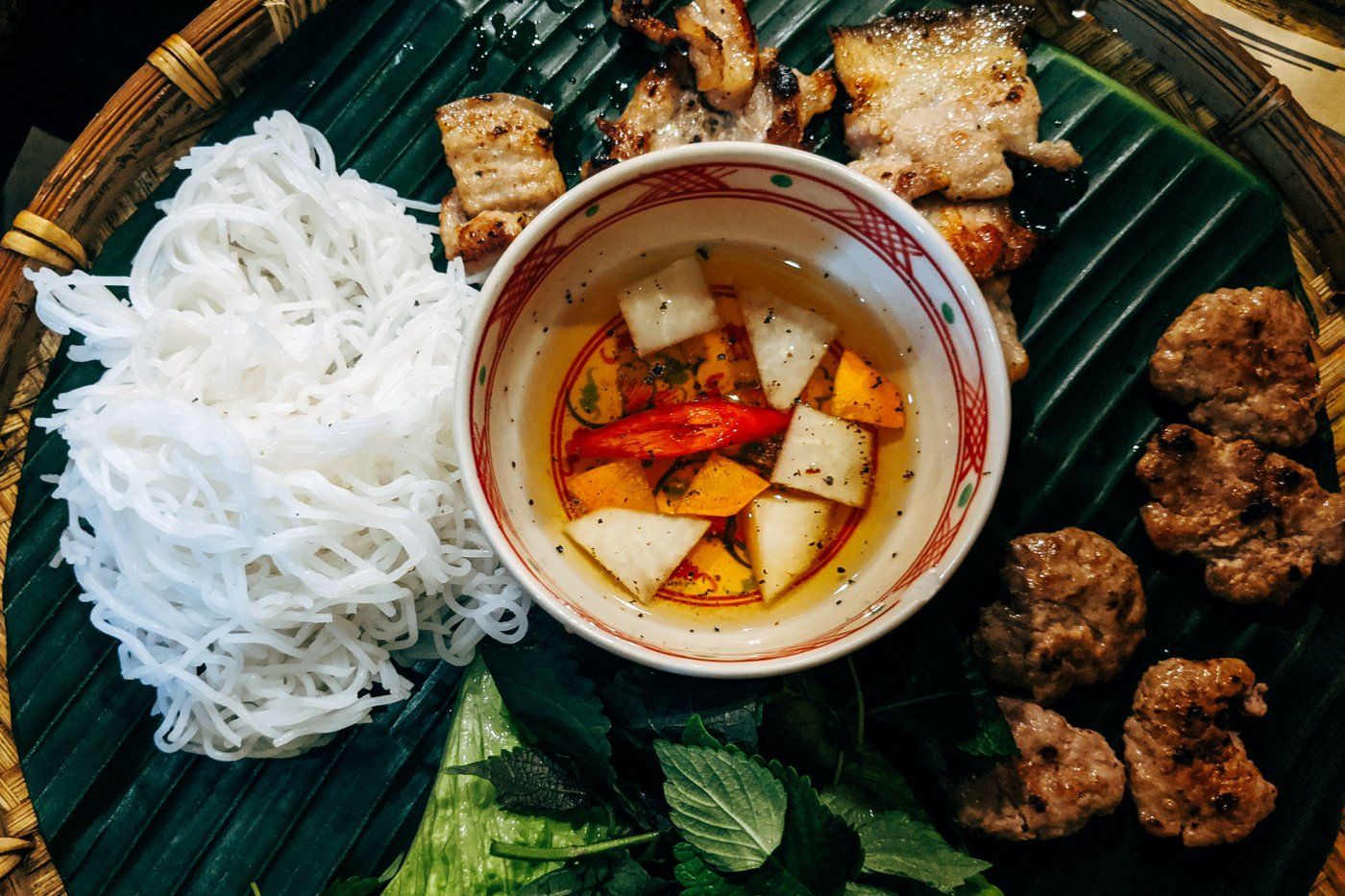
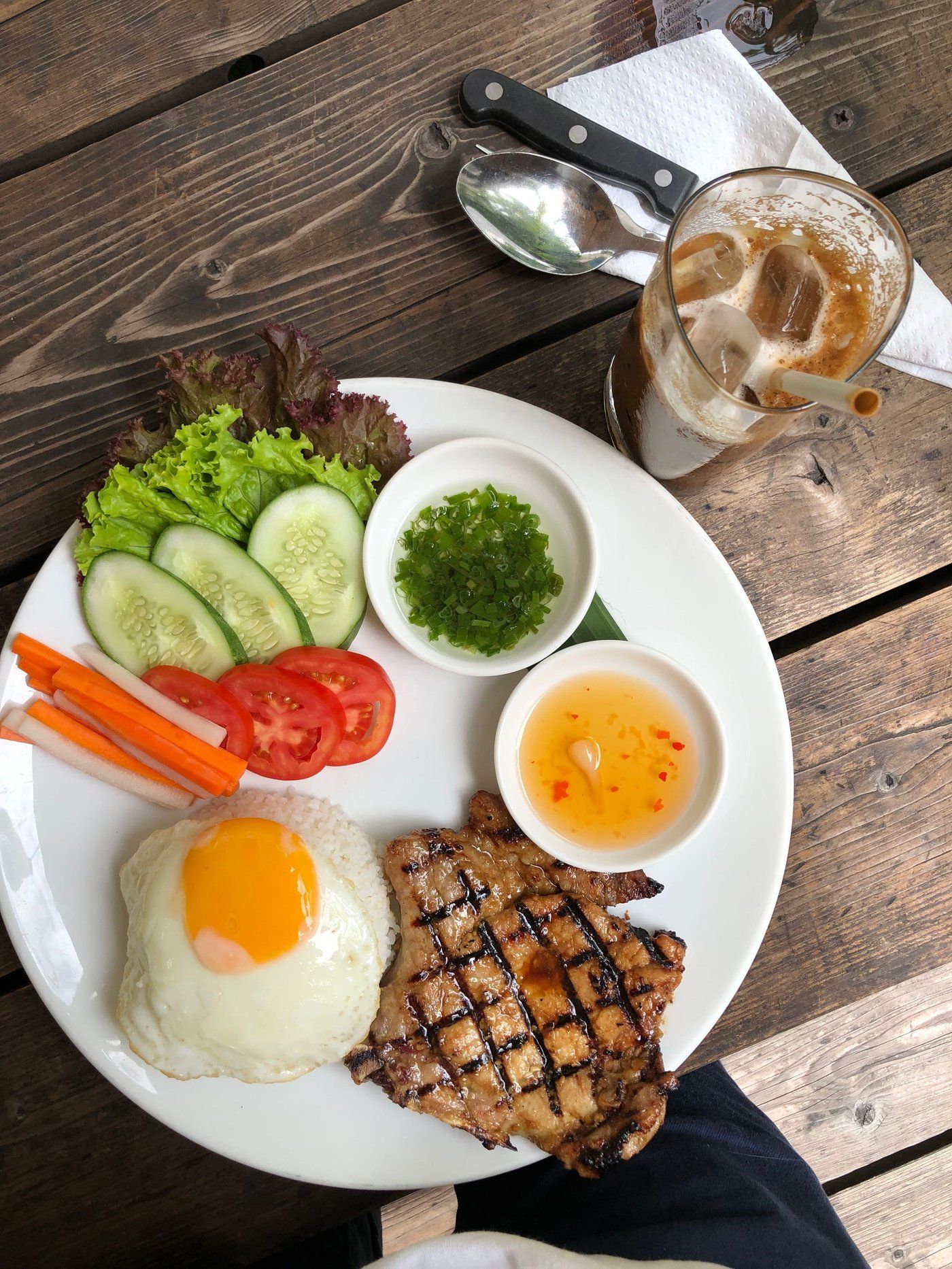
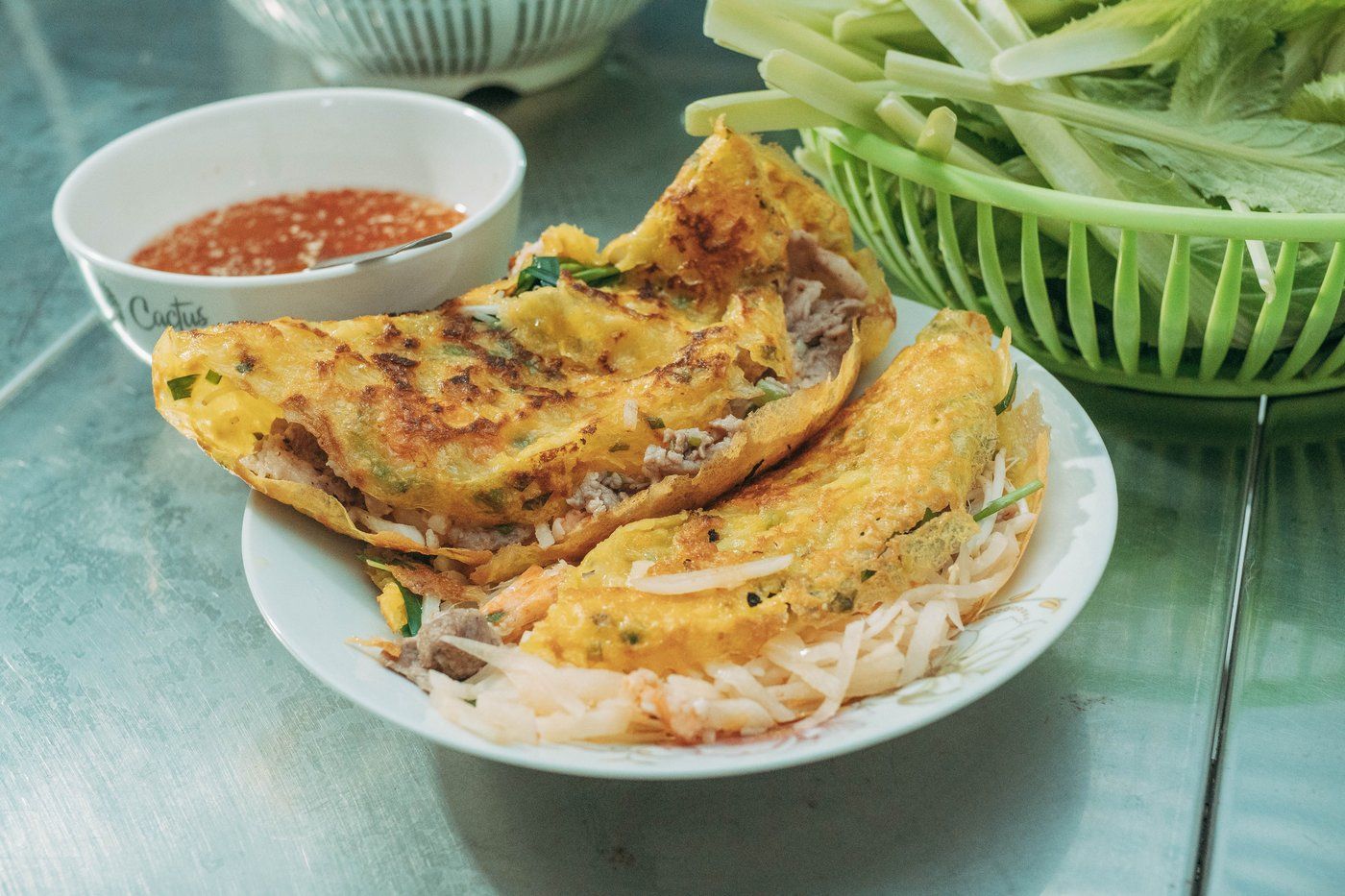
On the table, Vietnamese fish sauce is rarely used straight. Nuoc cham, the everyday dip, is fish sauce mixed with water, lime juice or vinegar, sugar, garlic and chilli, adjusted in each family to taste. It is served with spring rolls, grilled meat, banh xeo and noodle dishes. For boiled vegetables or meat, a small dish of fish sauce with crushed chilli may be all that is needed.
Beyond nuoc mam
Vietnamese fish sauce belongs to a wider family of fermented fish and shrimp. In the north, mam tom, a pungent purple shrimp paste, is eaten with tofu and noodles. The central coast uses mam nem, a thick anchovy sauce, often with pineapple. In the Mekong Delta, whole fish are fermented into mam, sold from great jars in the markets of Chau Doc.
When you buy a bottle to take home, check the label for the anchovy and salt content, and pack it well: many airlines have rules about carrying it.
Stories
Fish Sauce (nuoc mam): stories are on the way.