Waterfalls and Nature
Nature in Vietnam beyond caves and beaches: waterfalls, mountain lakes, sand dunes, mangroves, flooded forests and national parks.
Vietnam is crowded along its coast and deltas, but much of the nature in Vietnam lies behind them, in forests, lakes and rivers that few visitors reach. Many are protected as national parks, and many are also home to people whose farming and festivals depend on the water and the forest.
Waterfalls of the north and highlands
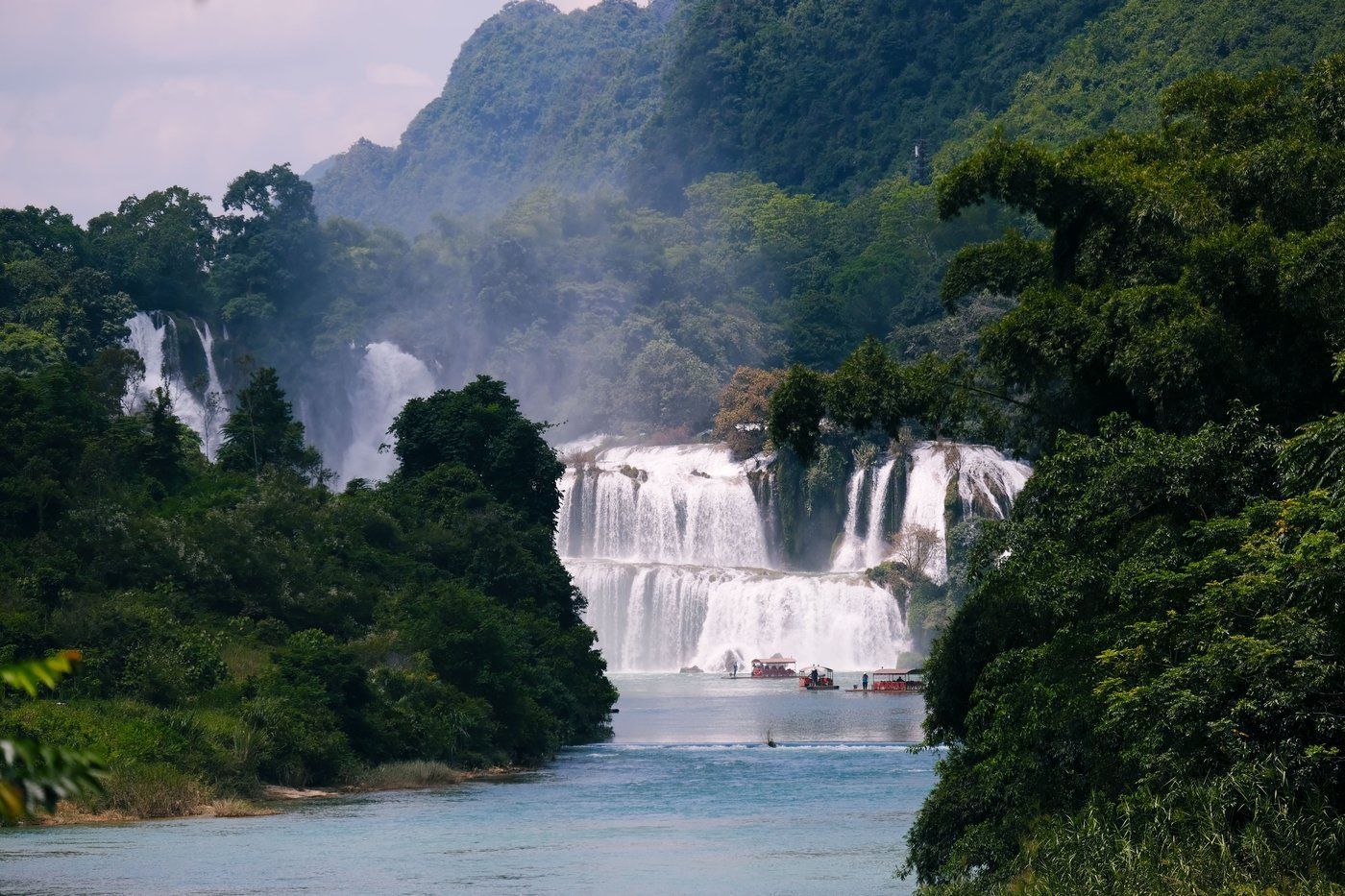
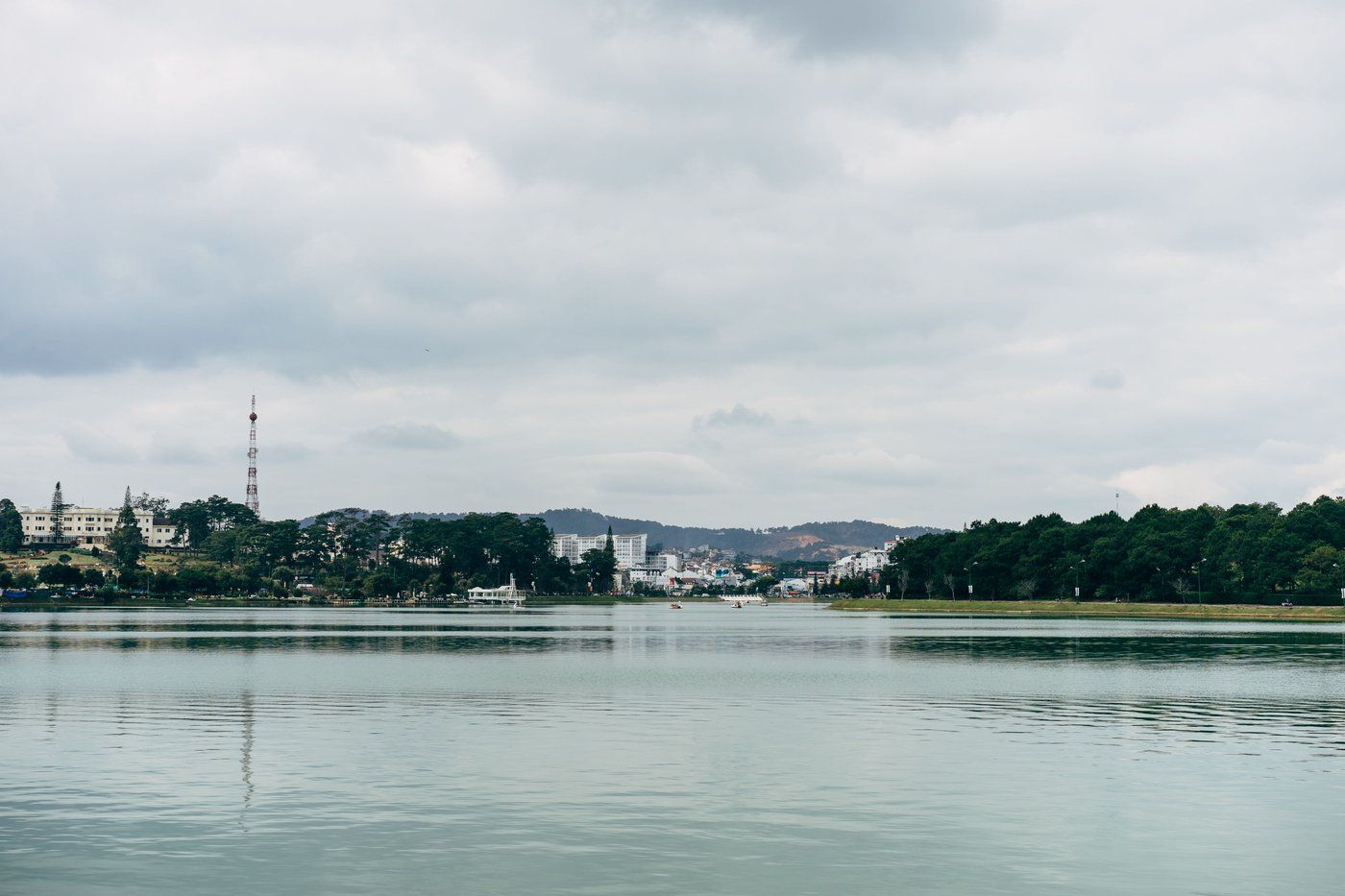
On the Chinese border in Cao Bang, Ban Gioc falls over a series of limestone steps into the Quay Son River, with rice fields and a small pagoda below; it is fullest in the rainy months. The Central Highlands have the most waterfalls: around Da Lat, several are close to town, and further out the plateau rivers drop over basalt ledges in wide, curtained falls, best seen after the rains begin.
Lakes, rivers and forests
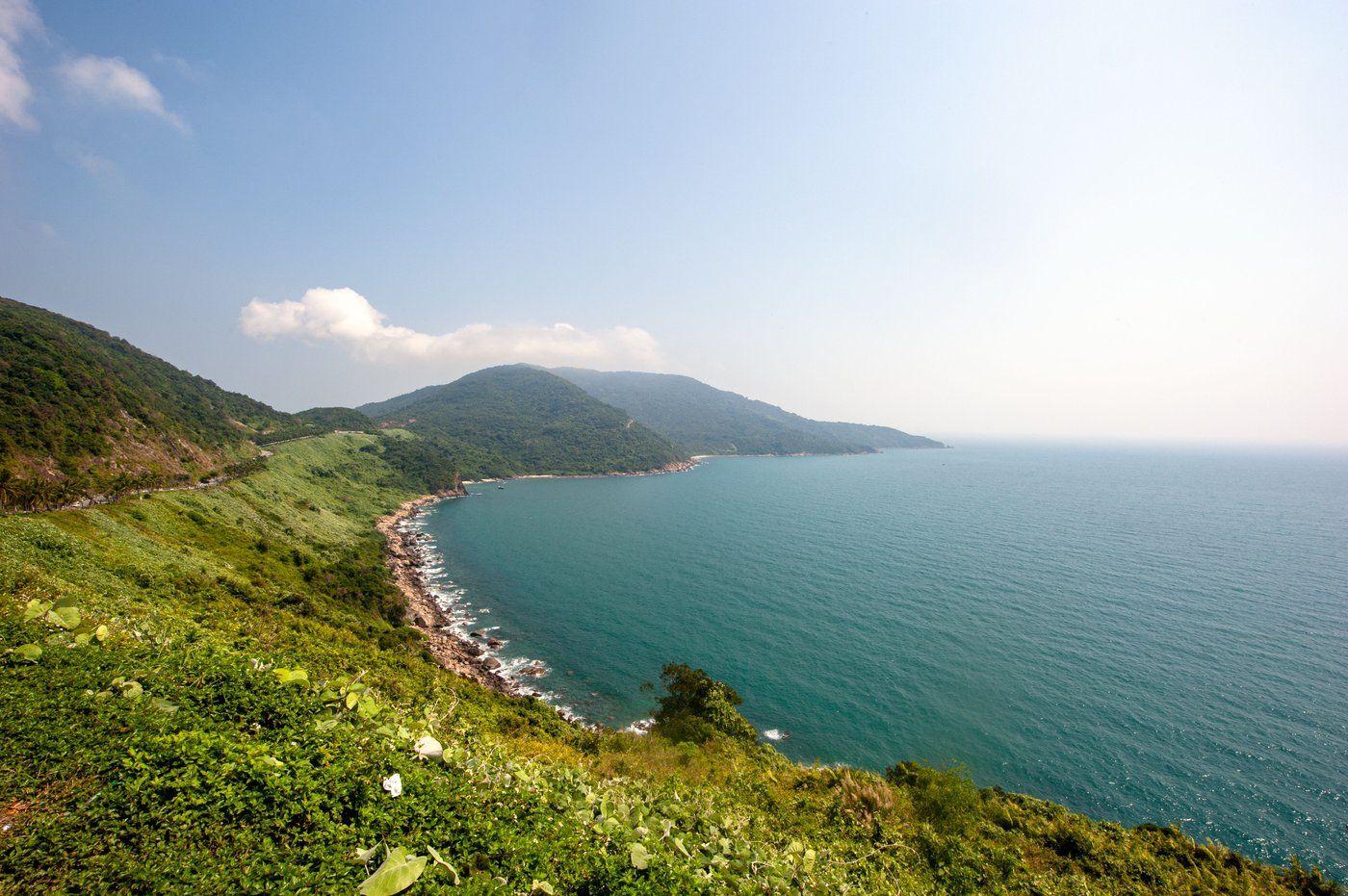
Ba Be, in the northeast, is a large natural lake ringed by forested limestone, with Tay villages of stilt houses on its shore and boats that take visitors to caves and a lagoon. Cuc Phuong, south of Hanoi, was the country’s first national park, a forest of very old trees in limestone valleys, with a centre that rescues primates. Further south, Bach Ma, near Hue, rises from the coast into cloud forest, and Cat Tien, north of Ho Chi Minh City, is lowland forest with birds and gibbons.
Dunes and the dry coast
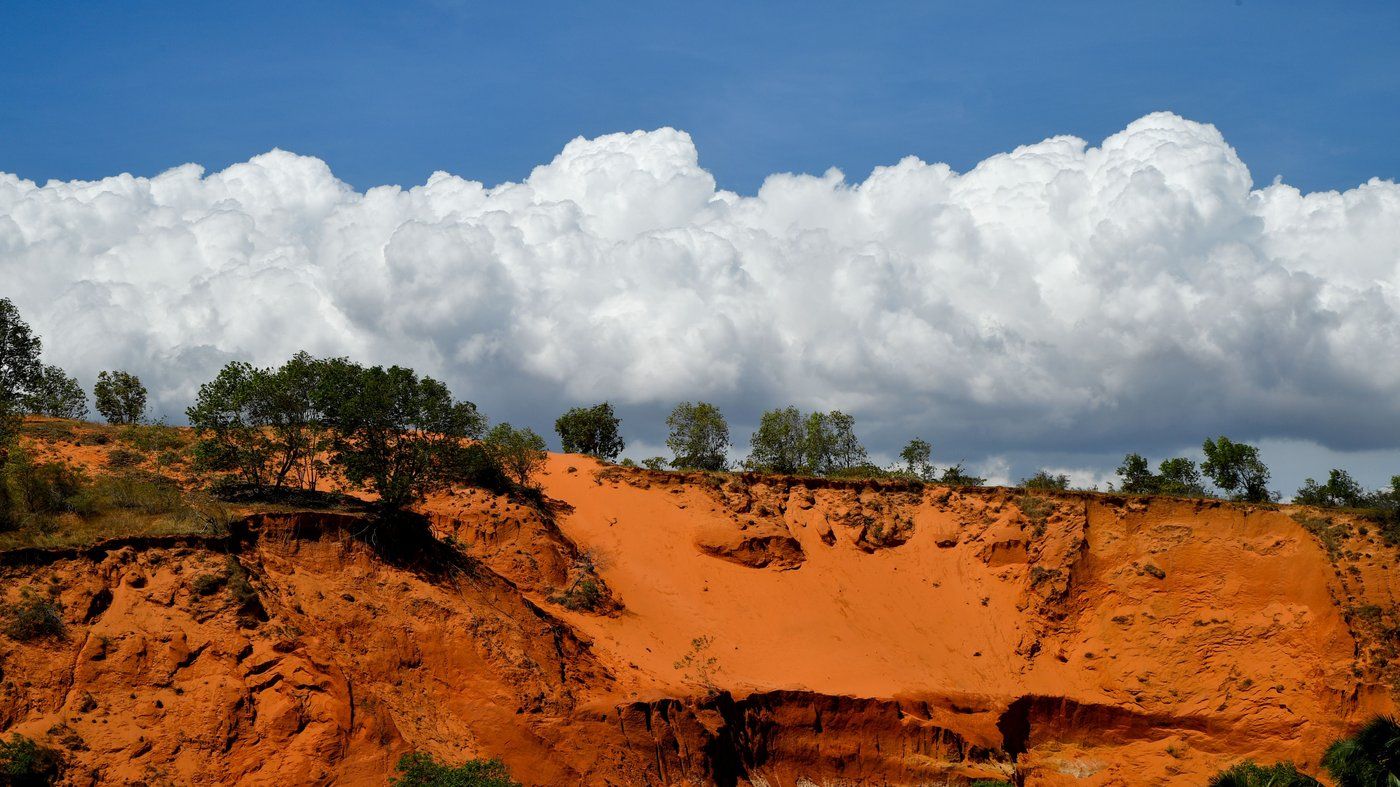
The south central coast shows the driest side of nature in Vietnam. Around Mui Ne, dunes of red and white sand move with the wind, and the Fairy Stream runs through a small canyon of coloured sand. Further north near Phan Rang the land turns to cactus, vineyards and salt fields.
The delta’s wetlands
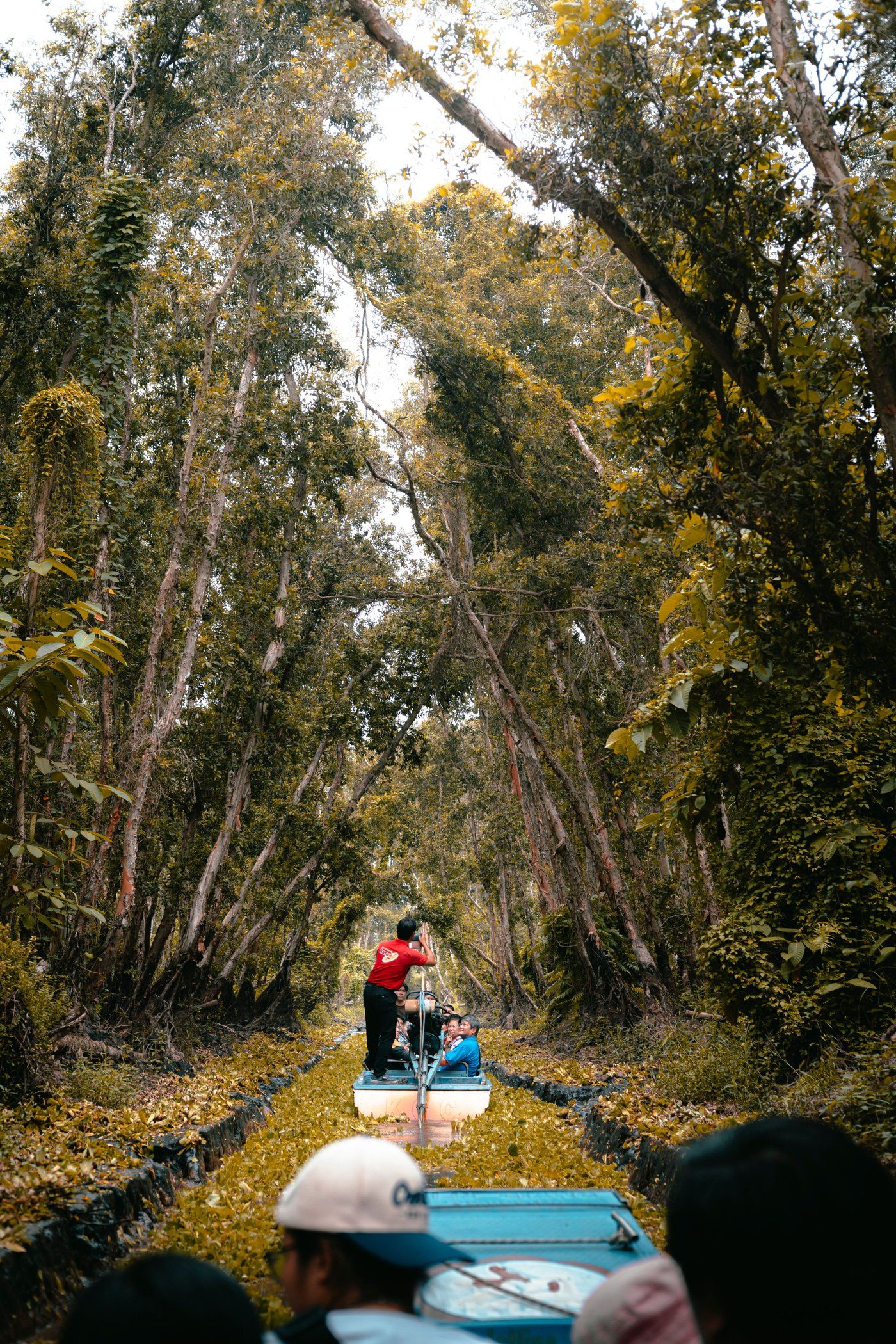
The Mekong Delta adds a watery side to nature in Vietnam: the flooded cajuput forest of Tra Su near Chau Doc, where boats glide through duckweed under the trees; the bird sanctuary of Tram Chim in Dong Thap, with its cranes in the dry season; and the mangroves and peat forest of U Minh and Ca Mau at the southern tip of the country.
Seeing nature in Vietnam gently
Many parks have basic facilities and limited routes; ranger offices or park headquarters are the place to ask what is open and whether a guide is needed. Waterfalls can be dangerous after heavy rain, and swimming is not always allowed. For walking in the high country, see Mountains and Trekking, and for the islands, Beaches and Islands.
Top attractions
Northern Vietnam
Central Vietnam
- Datanla FallsDa Lat
- White Sand DunesMui Ne
- Fairy StreamMui Ne
Southern Vietnam
Stories
Waterfalls and Nature: stories are on the way.