Caves and Karst
Vietnam's limestone country: the bays of Ha Long, the rivers of Trang An, the great caves in Phong Nha and the legends told about them.
Limestone shapes some of Vietnam’s best-known landscapes. Over millions of years, rain and rivers have dissolved the rock into towers, sinkholes and caves, from the islands of the northeast to the forests of the centre. The people who live among them have explained the shapes with stories, and many caves hold shrines or have served as shelters in war. The bays of the north are the best known; the caves in Phong Nha are the largest.
Islands in the sea
Ha Long means descending dragon. One legend tells that a mother dragon and her children came down to defend the country from invaders from the sea and spat out jewels that became the islands. The bay and neighbouring Bai Tu Long and Lan Ha are a field of limestone towers rising from shallow water, with fishing communities who until recently lived on floating houses. UNESCO listed Ha Long Bay in 1994. Boats visit caves in the islands, and kayaks reach lagoons enclosed by cliffs.
Rivers through the rock
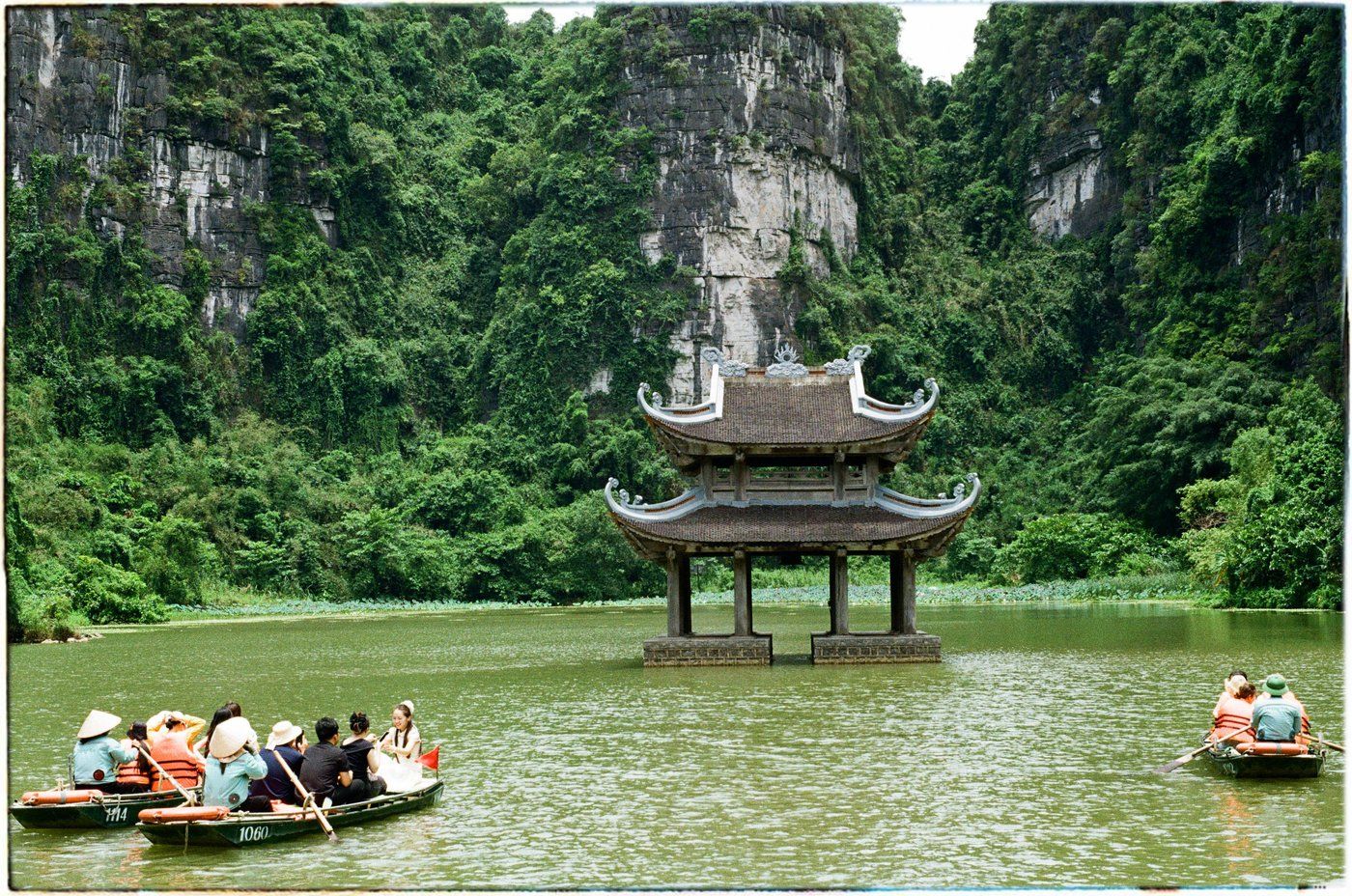
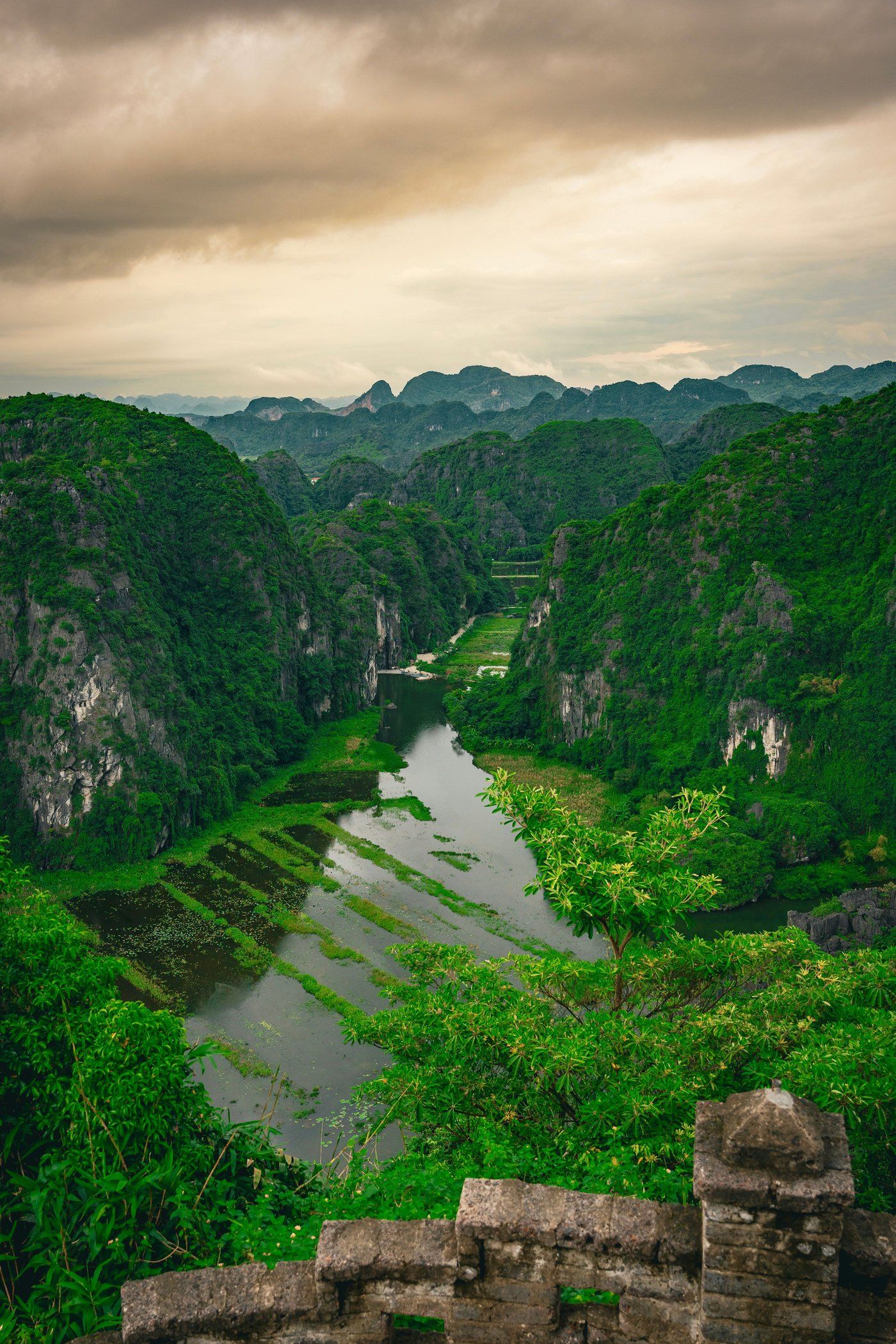
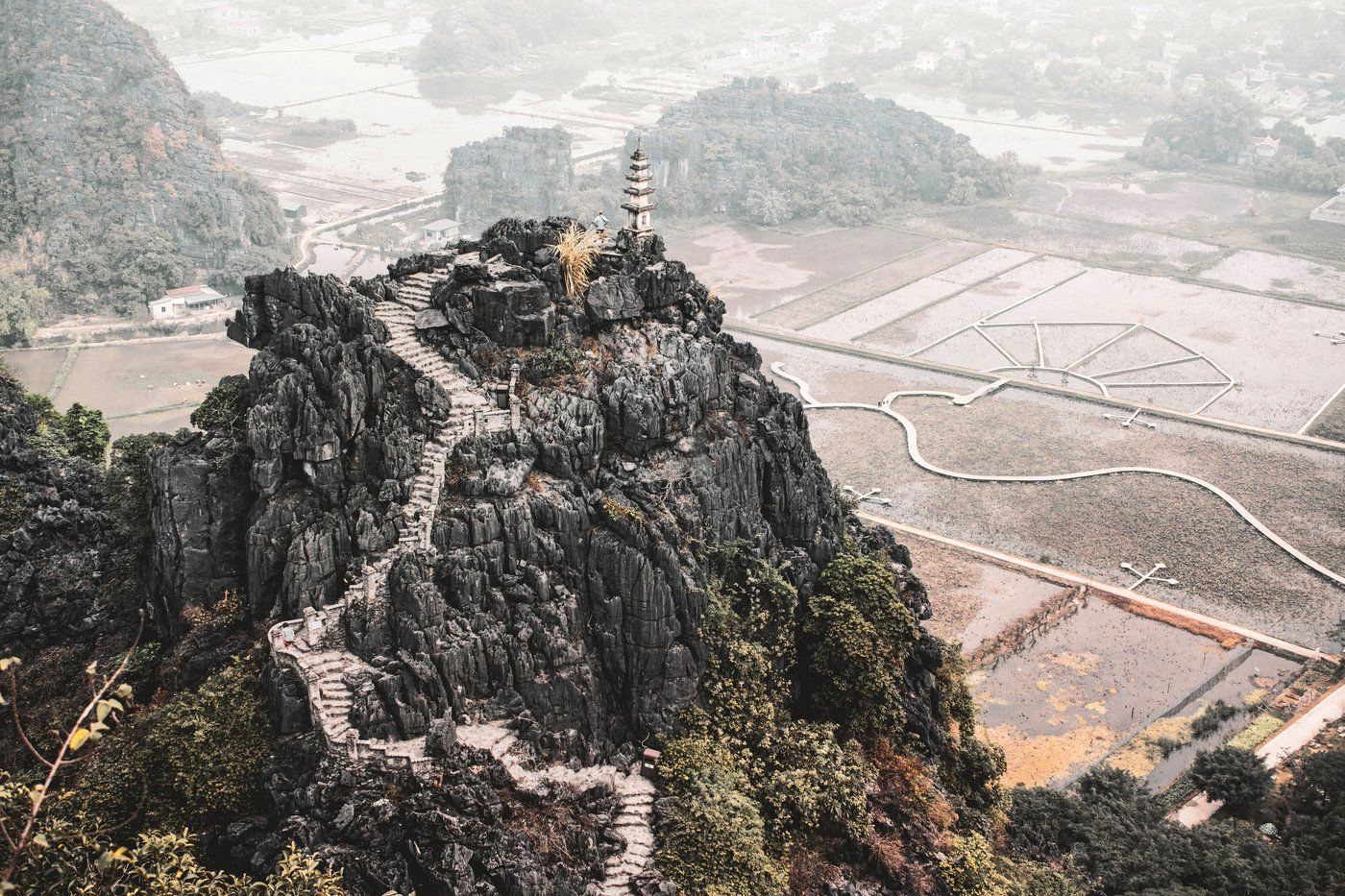
Around Ninh Binh, the same rock rises from rice fields instead of the sea. At Trang An and Tam Coc, women and men row small boats along rivers that pass through caves under the hills, sometimes rowing with their feet. The area was the setting of Hoa Lu, the capital of Vietnam in the 10th century, and temples to its kings stand at the foot of the cliffs. Trang An is a mixed natural and cultural World Heritage site.
The caves in Phong Nha
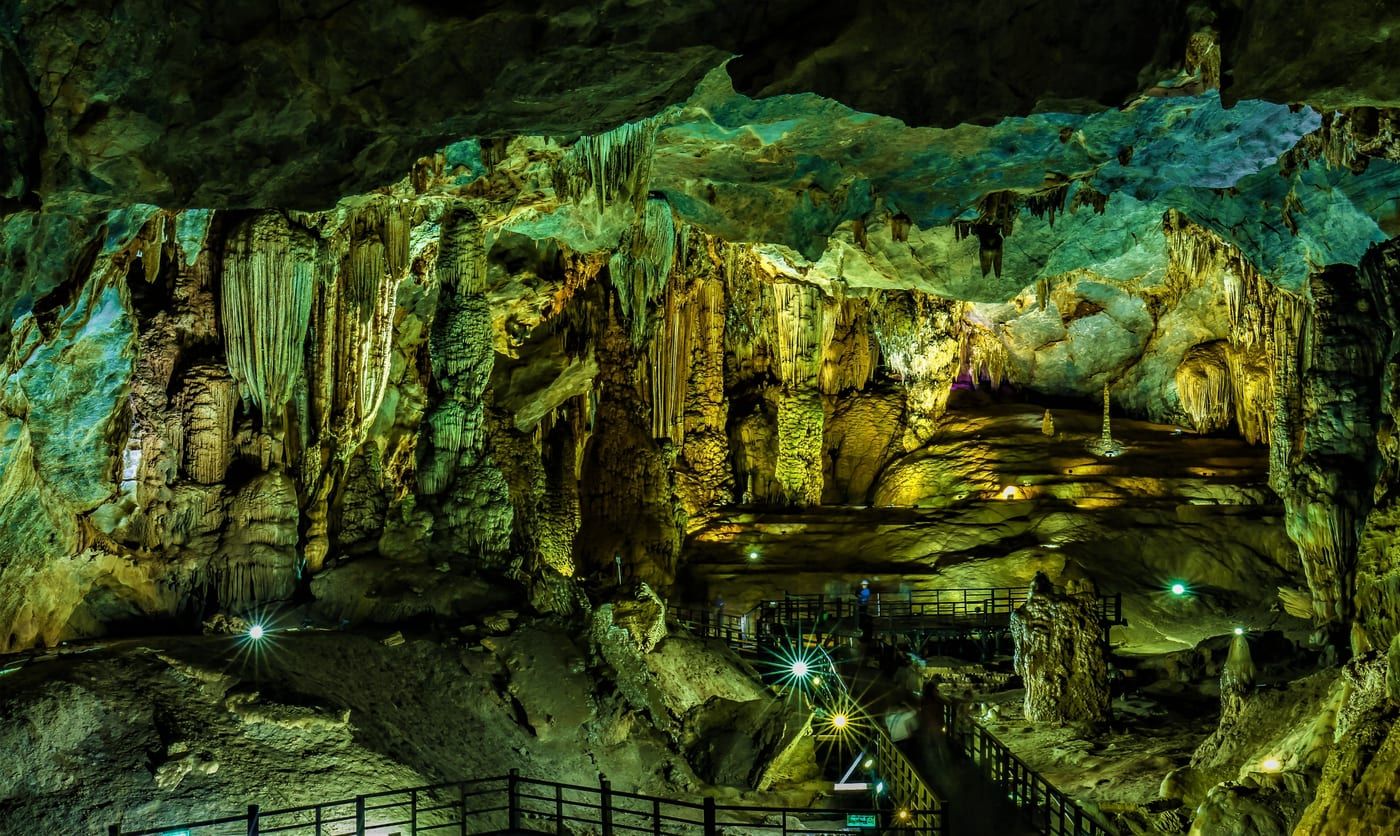
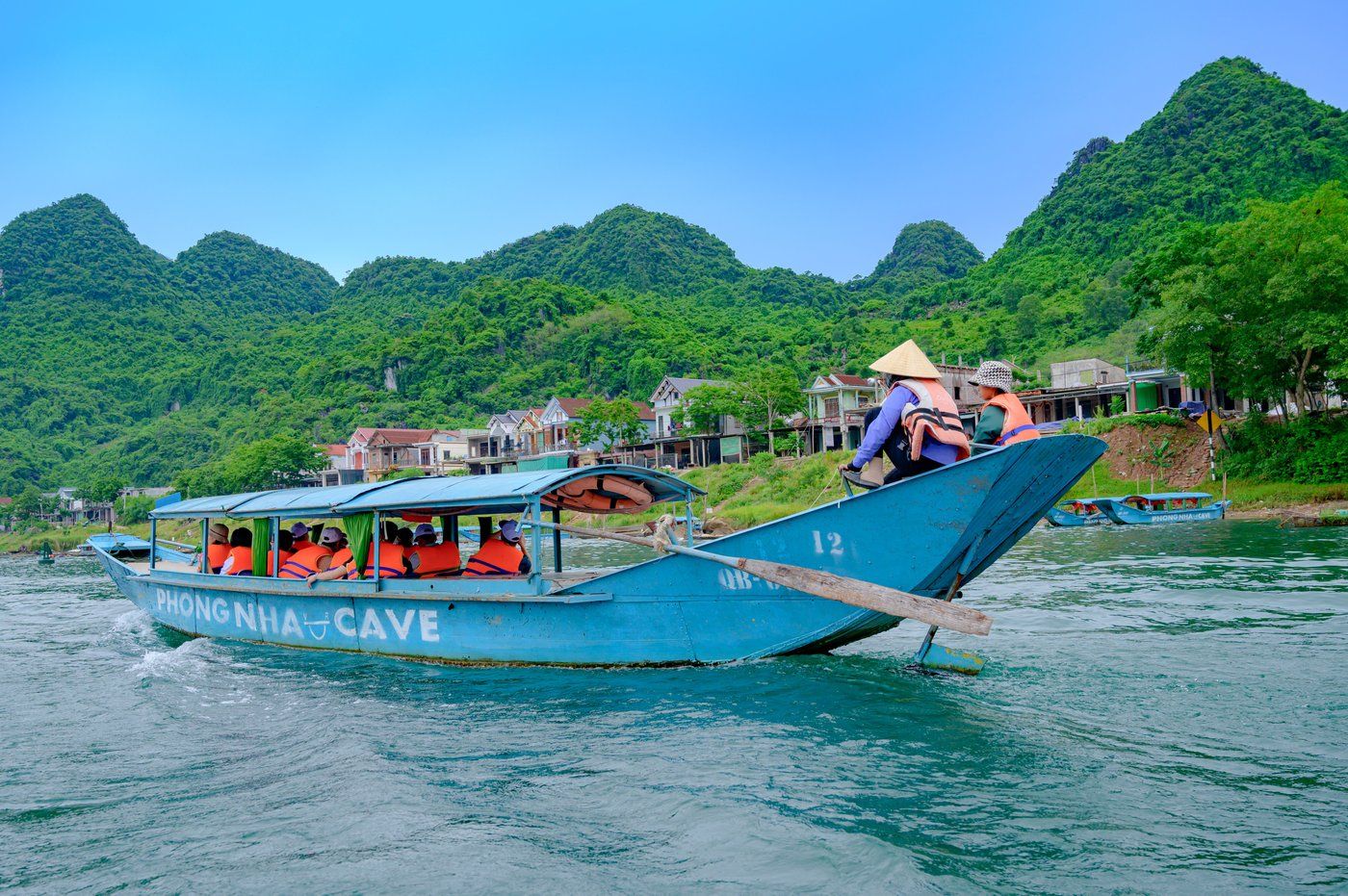
The karst of Phong Nha-Ke Bang, in the north central region, is older and covered in forest. Some caves in Phong Nha have been known for centuries; others were found only recently. A local man, Ho Khanh, came across the entrance of Son Doong while sheltering from a storm, and British cave explorers surveyed it with Vietnamese scientists in 2009. Visits to the largest caves in Phong Nha take days and are limited in number; others, such as Phong Nha Cave by boat, take an afternoon.
Shrines and pilgrims
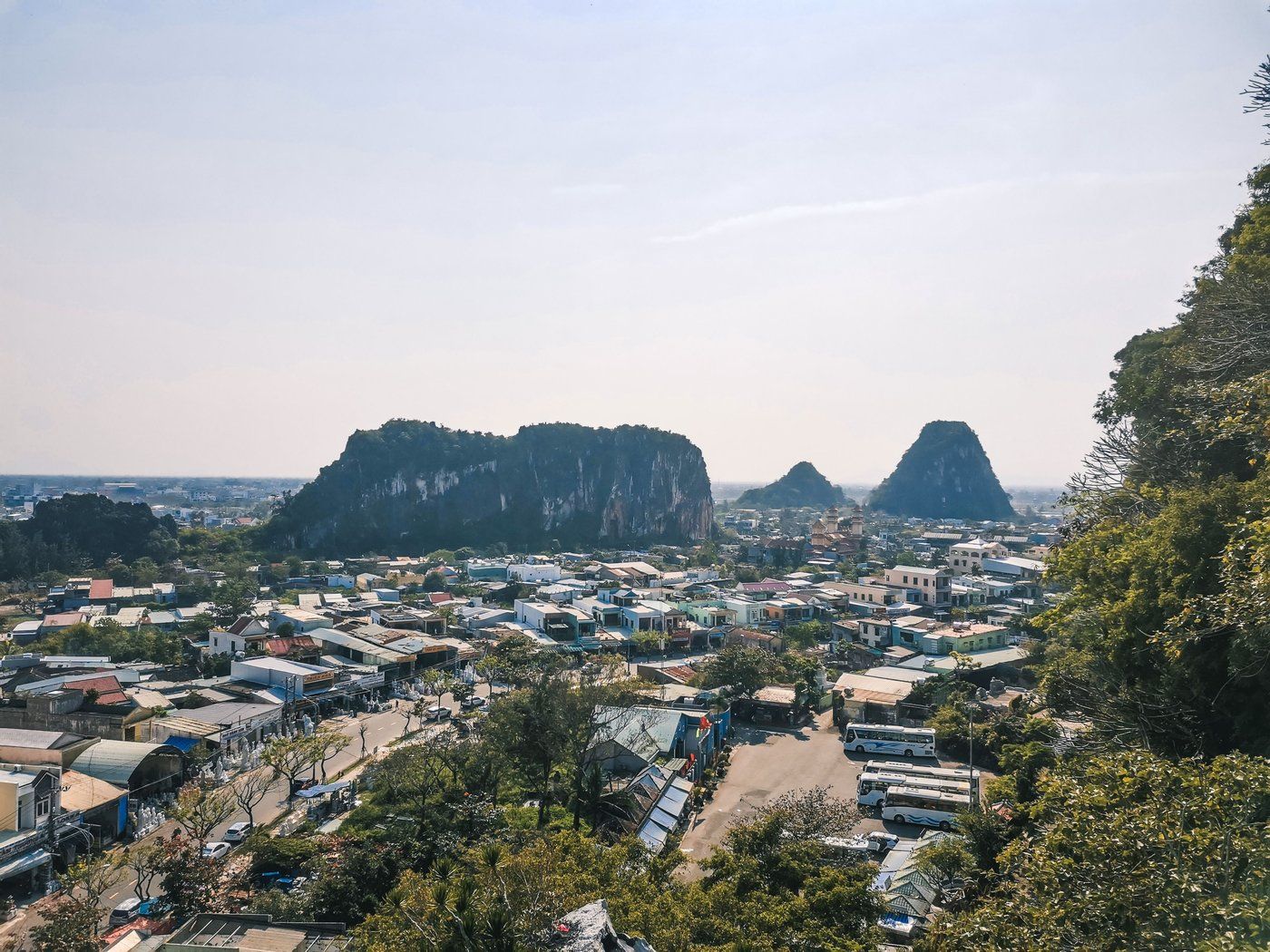
Caves have long been holy places. The Huong Tich cave at the Perfume Pagoda, reached by boat and a climb, is one of the north’s great pilgrimage sites in the first lunar months; see the Perfume Pagoda Festival. The Marble Mountains near Da Nang hide pagodas and altars inside their caves. Wear shoes with grip: paths in caves are often wet, and steps uneven.
Top attractions
Northern Vietnam
- Sung Sot CaveHa Long BayUNESCO-listed
- Nguom Ngao CaveCao Bang
- Bai Tu Long BayHa Long Bay
Central Vietnam
Stories
Caves and Karst: stories are on the way.